 Blaine Siding
 Windows Built for California Creek's Weather, Not Just the Showroom Floor
California Creek sits close enough to the water that homes here take a different kind of beating than houses further inland in Whatcom County. Salt-laden air off the strait works into metal hardware and painted trim. Driving rain comes in sideways during winter storms, testing every seam around a window opening. And the long moss season — stretching from fall through spring in this climate — keeps trim, sills, and siding damp for weeks at a stretch. A window that would perform fine in a drier part of the state can fail early here if it wasn't installed with these specific conditions in mind.
Window installation is one of those jobs that looks the same from the curb whether it was done right or not. The difference shows up two, five, or ten years later — in fogged glass, soft framing, or drafts that weren't there when the windows went in. For a California Creek home, getting it right the first time matters more than in most places, because moisture problems here don't dry out on their own the way they might in a drier climate.
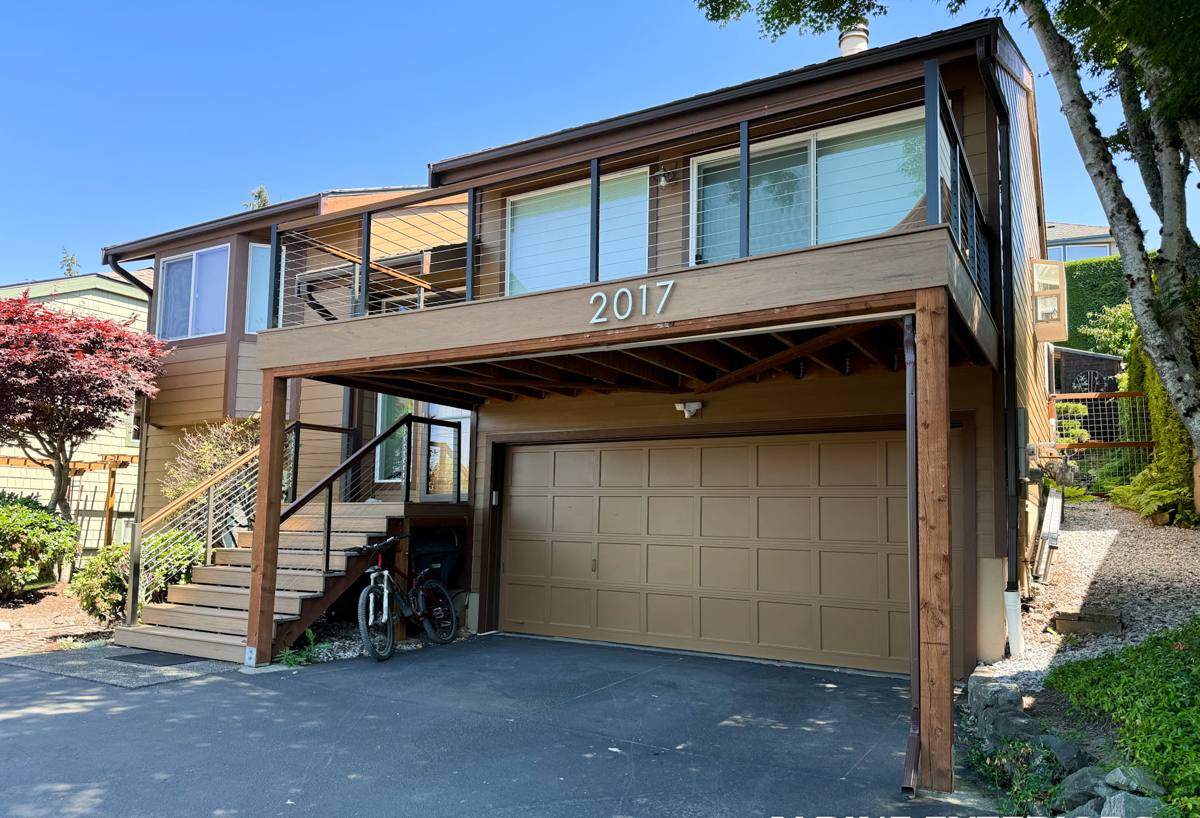
What Salt Air, Rain, and Moss Actually Do to Windows Over Time
Each of these local conditions attacks a window installation in a different way:
- Salt air accelerates corrosion on window hardware, screws, and unprotected metal flashing. It also breaks down lower-grade exterior paint and caulk faster than inland conditions would.
- Driving rain tests the flashing and sealant details around the window opening, not the window unit itself. Most leaks we find in this area trace back to how the opening was flashed and sealed, not a defect in the window.
- Moss and prolonged dampness hold moisture against trim boards and sills longer than in drier regions. Wood trim that isn't properly primed and sealed on all sides can start absorbing water even when it looks fine from the outside.
None of these are dramatic, sudden failures. They're slow, cumulative problems — which is exactly why the installation details matter more than the window brand.
Signs a California Creek Home May Need New Windows
Homeowners in this area often notice one or more of the following before calling us:
- Visible fogging or condensation between the panes of a double-pane window, meaning the seal has failed
- Soft or discolored wood trim around the window frame, especially at the bottom sill
- Noticeable drafts near the window even when it's fully latched
- Difficulty opening, closing, or locking the window due to swelling or hardware corrosion
- Paint that's bubbling or peeling specifically around the window perimeter, not the wider wall
- A musty smell near a window that persists even in dry weather
Any one of these can be a minor fix. Several together, especially on a home more than 15-20 years old, usually mean the original installation is reaching the end of its service life.
What a Correct Window Installation Actually Involves
The window unit itself is a small part of the job. Most of what determines whether a window lasts in this climate happens in the opening before the window is ever set in place.
Flashing and Water Management
Every window opening needs a layered, shingle-style flashing system so that any water that gets past the exterior surface is directed back out, not into the wall cavity. This includes sill pan flashing at the bottom of the opening — a detail that's easy to skip and one of the most common causes of hidden rot we find when we replace older windows in this area. Done correctly, water has nowhere to go but back outside, even during a hard, wind-driven rain off the water.
Integration with the House Wrap or Weather-Resistive Barrier
The window's flashing has to tie into the home's existing weather barrier in the right sequence — behind it at the top, over it at the sides and bottom — so water sheds downward and outward like shingles on a roof. Getting this sequence backward is a common mistake that traps water instead of shedding it.
Sealants and Backer Rod, Not Just Caulk
Gaps around the window frame need proper backer rod and a compatible, flexible sealant rated for exterior use — not just a bead of caulk smeared over the gap. In salt air especially, cheaper sealants degrade and crack faster, opening a path for both water and drafts.
Insulation Without Overpacking
The gap between the window frame and the rough opening should be insulated with a low-expansion foam or fiberglass, filled snugly but not overpacked, which can bow the frame and affect how the window operates.
Window Materials and Styles: What Holds Up Near the Water
Material choice matters more here than in drier parts of the county, since salt air and sustained moisture are harder on some materials than others.
| Material | How It Handles Salt Air & Moisture | Maintenance |
|---|---|---|
| Vinyl | Doesn't corrode; performs well in coastal air; good sealant compatibility | Low — occasional cleaning |
| Fiberglass | Very stable in moisture and temperature swings; strong long-term performer near the water | Low |
| Aluminum | Prone to corrosion and pitting over time in salt air unless well-coated | Moderate — coating upkeep |
| Wood (unclad) | Attractive but vulnerable to sustained dampness and moss-season moisture without diligent upkeep | High — regular repainting/sealing |
| Wood-clad (vinyl or aluminum exterior) | Combines interior wood appearance with a more weather-resistant exterior shell | Low to moderate |
We don't push a single brand or material on every home. The right call depends on your home's exposure, your budget, and how much upkeep you want to take on. What we won't do is recommend an unclad wood window on a wall that takes direct weather off the water without being upfront about the maintenance commitment that comes with it.
Cost Factors for California Creek Window Projects
Every home is different, so we don't quote sight-unseen, but a few factors consistently drive cost up or down on local jobs:
- Number and size of openings — larger or custom-shaped windows cost more to source and install than standard sizes
- Condition of the existing opening — hidden rot or damaged sheathing found once the old window is out adds repair work
- Material choice — vinyl and fiberglass are generally more budget-friendly than clad wood
- Exposure of the wall — walls that take direct wind and rain off the water may warrant extra flashing detail
- Full-frame versus insert replacement — full-frame replacement costs more but is often the right call when the original flashing is suspect
We'll walk through these with you honestly during the estimate, including where corners could be cut and why we wouldn't recommend it.
Our Process for California Creek Window Installations
- On-site assessment of the existing windows, framing condition, and each opening's exposure to wind and rain
- Straightforward discussion of material and style options suited to your home and budget, with honest trade-offs
- Careful removal of the old window and inspection of the opening for hidden moisture damage before anything new goes in
- Proper sill pan flashing, weather barrier integration, backer rod, and sealant — the details that determine whether the job lasts
- Final check of operation, seal, and exterior finish work before we consider the job complete
If we find rot or damage once the old window is out, we'll show you and talk through the repair before moving forward — no surprise change orders sprung on you after the fact.
Why Local Installation Experience Matters in California Creek
Window installation technique isn't uniform across Washington. A crew that mostly works drier, inland areas may not default to the extra flashing and sealant details that coastal Whatcom County conditions call for, simply because they don't see the consequences of skipping them as often. A crew that regularly works California Creek and the surrounding Blaine area sees, firsthand, what salt air, driving rain, and moss-season dampness do to windows that were installed without those details — and builds the habit of doing it right the first time because we're the ones who get the callback if we don't.
That local pattern recognition is hard to substitute for. It's the difference between a window that's technically installed and one that's installed to hold up on a wall facing the water for the next 20-plus years.
Get a Straightforward Estimate
If you're weighing whether to repair, replace, or simply have your current windows checked, we're happy to take a look and give you an honest read on where things stand. Reach out for a free, no-pressure estimate using the form below.