 Blaine Siding
 Dakota Creek Roofs Take a Different Kind of Beating
If you live in the Dakota Creek area of Blaine, you already know your roof works harder than roofs a few hundred miles inland. You're close enough to the water that salt air is a constant presence, close enough to the Canadian border that winter storms roll through with real force, and far enough north and west that the region's long, wet stretch of the year gives moss and moisture months at a time to find every weakness in a roof system. None of that is unusual for Whatcom County. What it means practically is that "storm damage" here rarely looks like a single dramatic event. More often it's a combination: wind lifts a few shingle tabs during a December blow, driving rain works into that opening over the following weeks, and moss that's been quietly growing in shaded valleys and north-facing slopes holds moisture against the deck long after the storm has passed. By the time a homeowner notices a stain on a ceiling, the roof has usually been compromised for a while.
We repair storm-damaged roofs specifically in this area, which matters more than it might sound. A roof in a dry inland climate can get away with minor damage sitting unaddressed for a season. A roof near Dakota Creek generally can't — the combination of salt-laden moisture, near-constant humidity, and heavy moss pressure means small problems compound faster here than in most of the state.
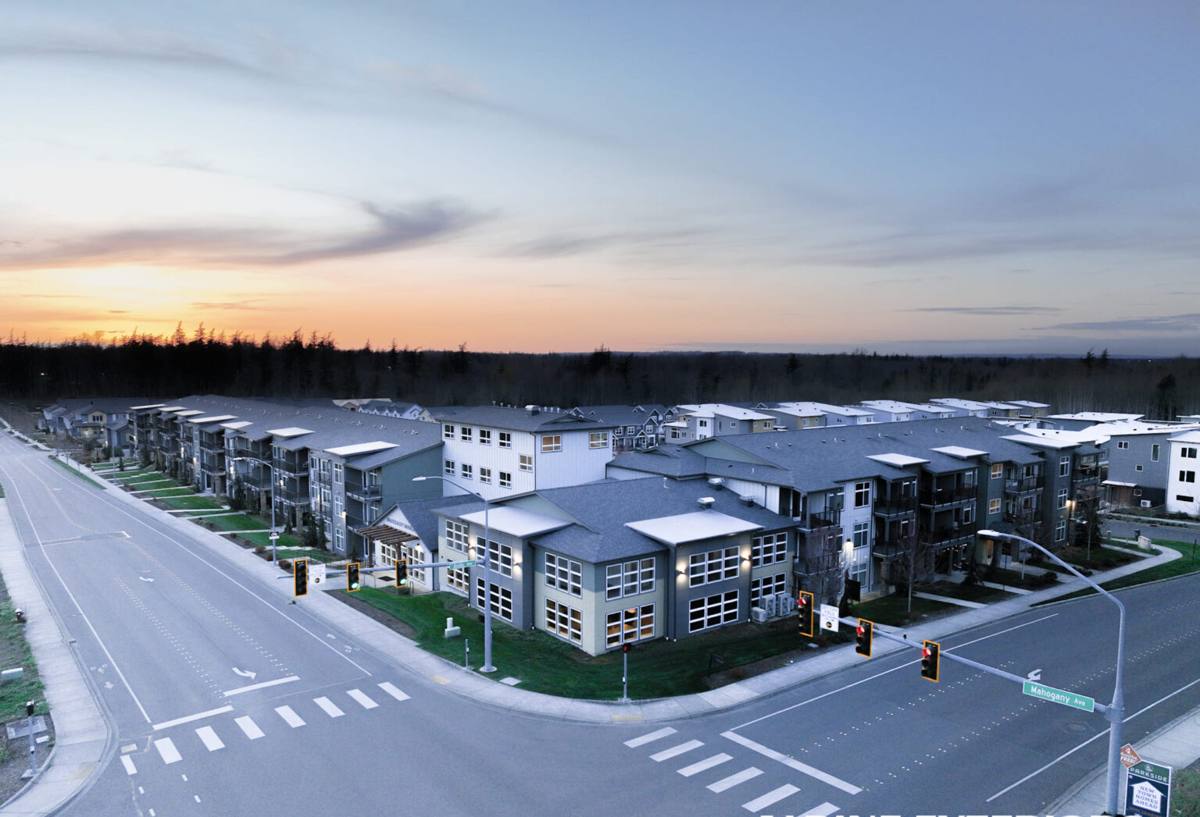
What Actually Counts as Storm Damage
Homeowners often picture storm damage as missing shingles or a visibly caved-in section. That's part of it, but a lot of the damage we find after wind and rain events is less obvious:
- Shingle tabs that were lifted and reset by wind, leaving cracked sealant strips that no longer bond
- Flashing around chimneys, vents, and skylights that was bent, loosened, or pulled slightly away from the surface it seals
- Granule loss on asphalt shingles from wind-driven rain and debris, which thins the shingle's protective layer even if the shingle itself stays in place
- Fastener backing, where nails work loose as the roof deck flexes in high wind, gradually breaking the seal around each nail head
- Moss mats that were disturbed or shifted during a storm, exposing bare shingle or opening channels for water to travel under adjacent courses
- Gutter and downspout damage that doesn't look like "roof damage" but leaves water pooling against the roof edge and fascia
Most of these are the kind of thing you won't spot from the ground, and several won't show up as an interior leak until the damage has had time to spread. That's why we treat a post-storm inspection as a full-roof assessment, not just a walk-by looking for missing shingles.
How We Assess Storm Damage
The Inspection
We walk the roof surface, not just look at it from a ladder. That includes checking every flashing point, examining shingle seal lines for wind lift, checking the condition of moss growth and how it's sitting against the roofing material, and looking at gutters, fascia, and soffit venting for related damage. We also check the attic side when accessible, since a stained rafter or damp insulation often tells us more about how long water has been getting in than the exterior does.
The Report
You get a straightforward explanation of what we found, what's actually storm-related versus general wear, and what we'd recommend — with options where they genuinely exist. If a repair will hold for years, we say so. If a section is patch-worthy but the roof overall is close to the end of its service life, we say that too, because a five-year patch on a roof that needs replacing in two years isn't doing you any favors.
Common Repair Scenarios We See in Dakota Creek
Wind-Lifted Shingle Sections
Coastal wind events can lift entire courses of shingles along a roof edge or ridge where wind pressure concentrates. The fix isn't just pressing shingles back down — lifted shingles usually have broken seal strips and sometimes cracked mat underneath, so they need to be replaced with matching material and properly re-sealed, not just re-nailed.
Flashing Failures
Salt air accelerates corrosion on metal flashing faster than it would inland, and flashing is already one of the most common failure points on any roof because it's where two different materials and slopes meet. After a storm, we specifically check whether flashing has shifted position or whether corrosion has thinned it to the point it needs replacing rather than resealing.
Moss-Related Deck Damage
Long moss seasons here mean moss isn't just cosmetic. Where it's been left to build up under shingle edges, it holds moisture against the roof deck for extended periods, which can lead to soft or delaminating decking underneath. When we find this during a storm repair, we address the moss and the underlying deck condition together — patching shingles over a compromised deck isn't a real repair.
Localized Leaks After Heavy Rain Events
Sometimes a roof doesn't lose any shingles at all but starts leaking after a hard, sustained rain. This is often a sign that granule loss, aging underlayment, or a marginal flashing seal has finally been overwhelmed by volume rather than by wind. These repairs are usually smaller in scope but require finding the actual entry point, which isn't always directly above the interior stain.
Repair Approach: Matching the Fix to the Damage
Not every storm-damaged roof needs the same scope of work, and part of doing this honestly is not overselling a full re-roof when a targeted repair will genuinely hold up.
| Approach | Best For | What's Involved |
|---|---|---|
| Spot repair | Isolated wind lift, a single failed flashing point, a localized leak | Replace affected shingles and flashing, reseal, verify deck condition underneath |
| Section replacement | Damage concentrated on one slope or roof plane, or moss/moisture damage limited to one area | Strip and replace shingles and underlayment on the affected section, repair any compromised decking |
| Full re-roof | Storm damage on a roof already near the end of its expected life, or damage spread across multiple slopes | Full tear-off, deck inspection and repair, new underlayment and roofing system |
We'll tell you plainly which category your roof falls into and why, including the trade-offs — a spot repair is less disruptive and less expensive, but it's only the right call if the surrounding roof is in good enough condition to support it.
Insurance and Storm Claims
Many storm-related roof repairs in this area do qualify for insurance coverage, particularly when there's a documented wind or rain event tied to the damage. We can provide a clear, photographed assessment of the damage that you can submit with a claim, and we're glad to walk an adjuster through what we found. We won't promise a specific coverage outcome, since that's between you and your insurer, but we will make sure the documentation reflects the actual condition of the roof rather than a padded or minimized version of it either way.
Our Repair Process
- Initial inspection and written assessment, including photos of the damaged areas
- Clear recommendation on repair scope, with pricing before any work begins
- Scheduling that accounts for weather windows — we don't tarp-and-wait longer than necessary on an active leak
- Repair work using matching materials wherever possible, so patched areas blend rather than stand out
- Final walkthrough so you can see what was done and ask questions before we consider the job complete
Reducing the Chance of Repeat Damage
A storm repair that ignores the conditions that made the damage worse in the first place tends to need a repeat visit within a few years. When we're on your roof for storm repair, we also look at the things that make Dakota Creek roofs more vulnerable over time:
Moss Management
Given how long moss season runs here, a roof with no moss control plan will keep accumulating growth that traps moisture against shingles and decking. We can recommend a treatment and light maintenance approach appropriate to your roofing material.
Attic Ventilation
Poor ventilation traps warm, moist air against the underside of the roof deck, which accelerates rot and can worsen ice and condensation issues during cold snaps. Correcting ventilation is often a low-cost addition to a repair that pays off over the following winters.
Flashing Material and Placement
Where we're replacing flashing anyway, we'll use materials and details suited to a salt-air environment rather than just matching whatever was there before, if the original installation was part of why it failed.
Signs You Should Have Your Roof Inspected After a Storm
- Granules collecting in gutters or at downspout outlets after heavy wind or rain
- Any visible gap, curl, or lifted edge along shingle courses, especially near ridges and edges
- New or growing stains on interior ceilings, especially near chimneys, skylights, or vent penetrations
- Shingles or flashing pieces found in the yard after a windstorm
- Sagging or soft-feeling spots when walking near roof valleys (viewed from a safe vantage point, not by walking the roof yourself)
- Moss that's noticeably thicker or has shifted position compared to earlier in the season
If any of these sound familiar, it's worth having the roof looked at before the next system moves through — small storm damage left through another wet season in Blaine rarely stays small.
Why Local Experience with Dakota Creek Roofs Matters
A crew that regularly works roofs in this specific pocket of Whatcom County knows what conditions here actually do to a roof over time — how fast moss reestablishes, which flashing details hold up against salt air and which don't, and how wind tends to hit roofs at this elevation and orientation relative to the water. That's different from general roofing knowledge, and it shows up in repairs that are sized correctly the first time instead of a series of return visits.
If your roof has taken storm damage, or you're not sure whether recent weather affected it, we're happy to take a look and give you a straight answer. There's no pressure and no obligation — just an honest assessment and, if repairs are needed, a clear estimate you can use to make your decision. Use the form below to request your free estimate.