 Blaine Siding
 Why Birch Point Homes Need Windows Built for This Climate
Birch Point sits close enough to the water that homes here take a different kind of weathering than houses just a few miles inland. Salt-laden air moves off the bay, driving rain comes in sideways during winter storms, and the long gray stretch of fall and winter keeps everything damp for months at a time. Windows in this pocket of Whatcom County are working harder than the manufacturer's spec sheet usually accounts for, and that shows up first at the window openings — the weakest point in any home's exterior envelope.
A window that would hold up fine in a drier, more sheltered part of the county can fail early here if it isn't selected and installed with this specific exposure in mind. That's the difference between a generic window replacement and one done specifically for a Birch Point home: the material choices, the flashing details, and the sealant systems all get picked to handle salt, wind, and sustained moisture rather than just "standard" Pacific Northwest weather.
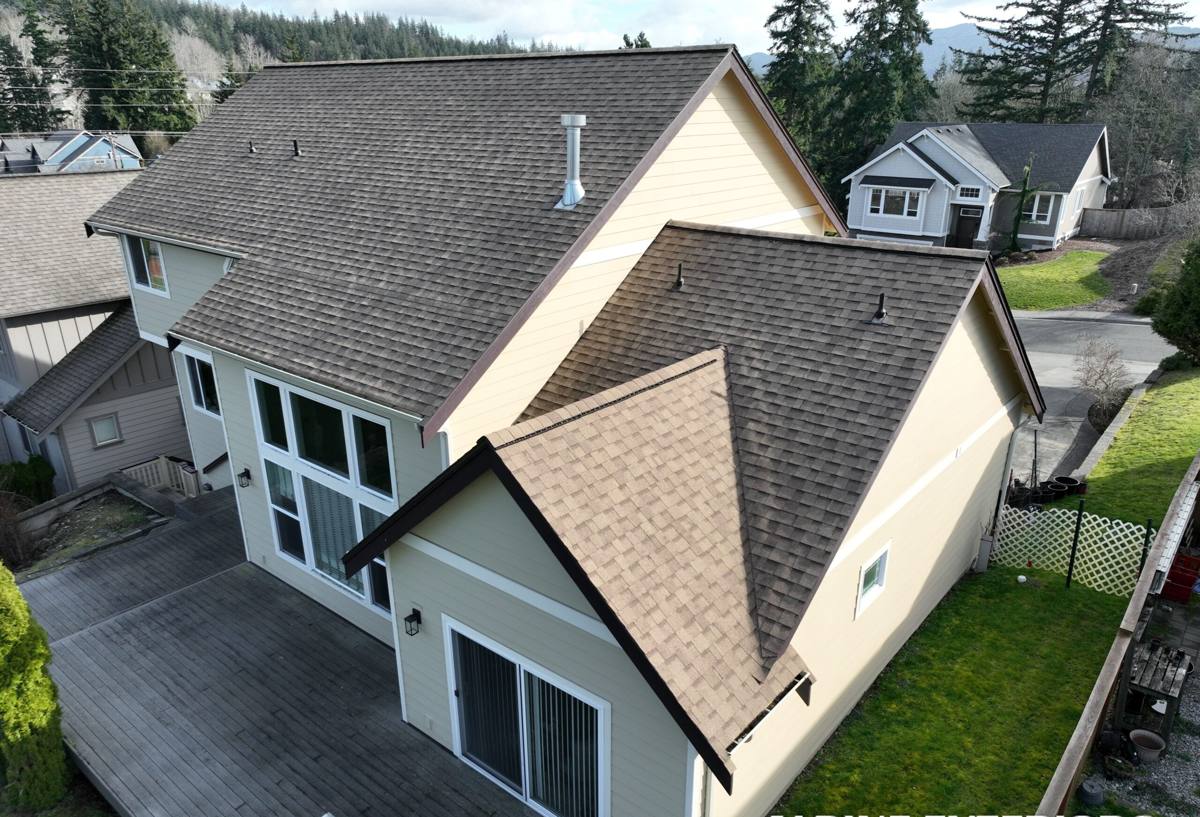
What Salt Air, Driving Rain, and Moss Season Do to Windows Over Time
Each of the three conditions we mention most for this area attacks windows in a different way, and understanding that helps explain why the details of the job matter so much.
Salt Air
Airborne salt is corrosive to exposed metal — hardware, hinges, screen frames, and especially lower-grade fasteners. Over years, it can pit and discolor aluminum components and accelerate corrosion on anything not rated for coastal exposure. It also breaks down some sealants and finishes faster than they'd wear in an inland location.
Driving Rain
Wind-driven rain doesn't just fall on a window, it gets pushed into it — under sills, around trim, and into any gap in the flashing. A window can look fine on the surface for years while water is quietly working its way behind the trim and into the wall framing. By the time staining or soft wood shows up on the interior, the damage has usually been building for a while.
Moss and Sustained Moisture
The long wet season in Whatcom County keeps north-facing and shaded walls damp for extended stretches, which is exactly the environment moss, mildew, and wood rot prefer. Wood trim and sills that stay wet without a chance to dry out are the most common failure point we see on older homes near the water.
What a Correctly Installed Window Actually Involves
Replacing a window is not just swapping the old unit for a new one in the same hole. A correct installation on a coastal-exposed home involves several steps that are easy to skip and hard to notice once the trim is back on — until something leaks two or three years later.
Flashing and Water Management
Proper flashing creates a layered path that directs any water that gets past the window back outside the wall assembly, rather than letting it sit against the framing. This means correctly lapped house wrap, sill pan flashing under the rough opening, and integration with the existing weather-resistive barrier — not just a bead of caulk around the trim. In a driving-rain environment like Birch Point, this step is the single biggest factor in whether a window stays dry for the next twenty years or starts causing problems in five.
Frame Material Choices for Coastal Whatcom County
We look at frame material selection differently for homes with direct salt air exposure. Our standard for this area favors materials and hardware finishes that are rated to resist corrosion and won't require frequent refinishing to stay protected. Wood-frame windows can look great and perform well, but they demand more consistent maintenance in this exposure — regular repainting or sealing — and we're upfront with homeowners about that maintenance commitment before they choose that route. Vinyl and fiberglass options generally require less upkeep against salt air, though the right choice always depends on the home's style, budget, and how much maintenance the homeowner wants to take on.
Sealant and Hardware Standards
We use sealants and fasteners rated for exterior, coastal-exposure use rather than standard-grade products, because the failure rate on lower-grade materials is noticeably higher in this kind of salt and moisture exposure. It costs a little more up front and saves a callback five years down the road.
Choosing the Right Window Style and Glass Package
Style is mostly personal preference, but glass and frame performance should be matched to the exposure. Here's how the common choices stack up for a Birch Point home specifically.
| Window Type | Coastal Performance | Maintenance Level | Best Fit |
|---|---|---|---|
| Vinyl, standard grade | Good moisture and salt resistance | Low | Budget-conscious replacements |
| Vinyl, reinforced/high-performance | Very good, better wind and water rating | Low | Exposed walls facing the water or prevailing wind |
| Fiberglass | Excellent — stable in temperature swings, resists corrosion | Low to moderate | Homeowners wanting long-term durability with less flexing |
| Wood, clad exterior | Good if maintained; exterior clad protects the wood | Moderate | Historic or high-end aesthetic where clad exterior does the protecting |
| Wood, unclad exterior | Weakest against salt air and driving rain without upkeep | High | Sheltered elevations only, with a maintenance plan in place |
Glass packages matter too. For this area we typically recommend dual-pane, Low-E coated glass with an argon or similar gas fill, paired with a warm-edge spacer system that resists seal failure from temperature and moisture cycling. On walls that take the brunt of the weather, a higher wind and water performance rating on the window itself is worth the upgrade.
Our Process, From Estimate to Final Walkthrough
We keep the process straightforward so homeowners know what to expect at each stage.
- On-site assessment: We look at each window opening individually — sun exposure, wind exposure, existing water damage, and the condition of the framing behind the trim.
- Honest product recommendation: We walk through frame material, glass package, and style options based on that specific wall's exposure, not a one-size-fits-all package.
- Written estimate: Scope, materials, and price laid out clearly before any work starts.
- Removal and inspection: When we pull the old window, we check the rough opening and surrounding framing for hidden rot or moisture damage before anything new goes in.
- Correct installation: Sill pan flashing, proper house wrap integration, shimming and leveling, coastal-rated sealant and fasteners.
- Trim and finish work: Interior and exterior trim finished to match the home.
- Final walkthrough: We check operation, seals, and finish with the homeowner before calling the job done.
Common Window Problems We Find in Birch Point Homes
When we're called out to look at an older window or a leak complaint near the water, a handful of issues come up repeatedly. If you're noticing any of these, it's worth having the window looked at rather than waiting.
- Soft or discolored wood trim around the frame, especially on north- or west-facing walls
- Moss or dark staining building up on sills and lower trim
- Corroded or stiff hardware — locks, cranks, or hinges that used to move freely
- Fogging or moisture between panes, which usually means a failed seal
- Drafts or a noticeable temperature difference near the window on windy days
- Paint or finish peeling faster on exterior trim than the rest of the house
- Visible gaps or cracked caulk where the trim meets the siding
Cost Factors for Custom Windows in This Area
Every home is different, so we don't quote a flat per-window price until we've seen the openings. In general, the factors that move the price on a Birch Point job are:
| Factor | Why It Matters Here |
|---|---|
| Frame material | Corrosion-resistant hardware and coastal-rated vinyl or fiberglass typically cost more than standard-grade product, but need less upkeep in salt air |
| Wall exposure | Openings facing prevailing wind and rain may call for a higher-rated window and more careful flashing work |
| Existing damage | Rot or moisture damage found in the rough opening during removal adds repair time before the new window can go in |
| Window size and style | Larger units, custom shapes, or specialty operating styles cost more than standard sizes |
| Number of openings | Whole-house replacements typically bring a better per-window rate than single replacements |
We'd rather give you a real number after seeing the home than a range that doesn't hold up once we're on site.
Why Local Experience in Birch Point Matters
A crew that's worked windows in this specific area already knows which walls tend to take the worst weather, what kind of hidden moisture damage to expect when opening up an older home, and which materials actually hold up here versus which ones look fine on paper. That's not something you get from a general contractor working a wide territory with no particular focus on this stretch of Whatcom County coastline. It shows up in small decisions — how flashing gets lapped, which hardware finish gets specified, how much extra care goes into a west-facing opening — that add up to a window installation that's still performing well a decade or two later.
Maintenance Tips to Protect Your Investment
Even a well-installed window benefits from a little seasonal attention in this climate.
- Rinse salt residue off frames and glass periodically, especially after storms
- Clear moss and debris from sills and tracks before it holds moisture against the frame
- Check and re-lubricate hardware annually so it doesn't seize from corrosion
- Inspect exterior caulk lines each year and touch up before gaps let water in
- Repaint or reseal wood trim on the manufacturer's recommended schedule, not just when it looks bad
If you're weighing a window replacement or repair for a home in Birch Point, we're happy to take a look and give you a straightforward, no-pressure estimate — just fill out the form below.