 Blaine Siding
 Window Replacement Built for Cherry Point's Coastal Conditions
Cherry Point sits close enough to the water that homes here take a different kind of beating than houses just a few miles inland in Blaine or elsewhere in Whatcom County. Salt-laden air off the Strait of Georgia works into window frames and hardware year-round, driving rain off the Pacific finds every gap in a tired seal, and the long gray moss season lets organic growth take hold on anything that stays damp too long. Windows in this area don't fail because they're old in the abstract sense — they fail because the specific combination of salt, moisture, and shade wears out seals, hardware, and finishes faster than a manufacturer's warranty ever accounted for.
A window replacement job done right in Cherry Point isn't just about picking a nice-looking window. It's about matching materials, flashing details, and installation technique to conditions that are genuinely harder on a home's envelope than most of the country ever sees.
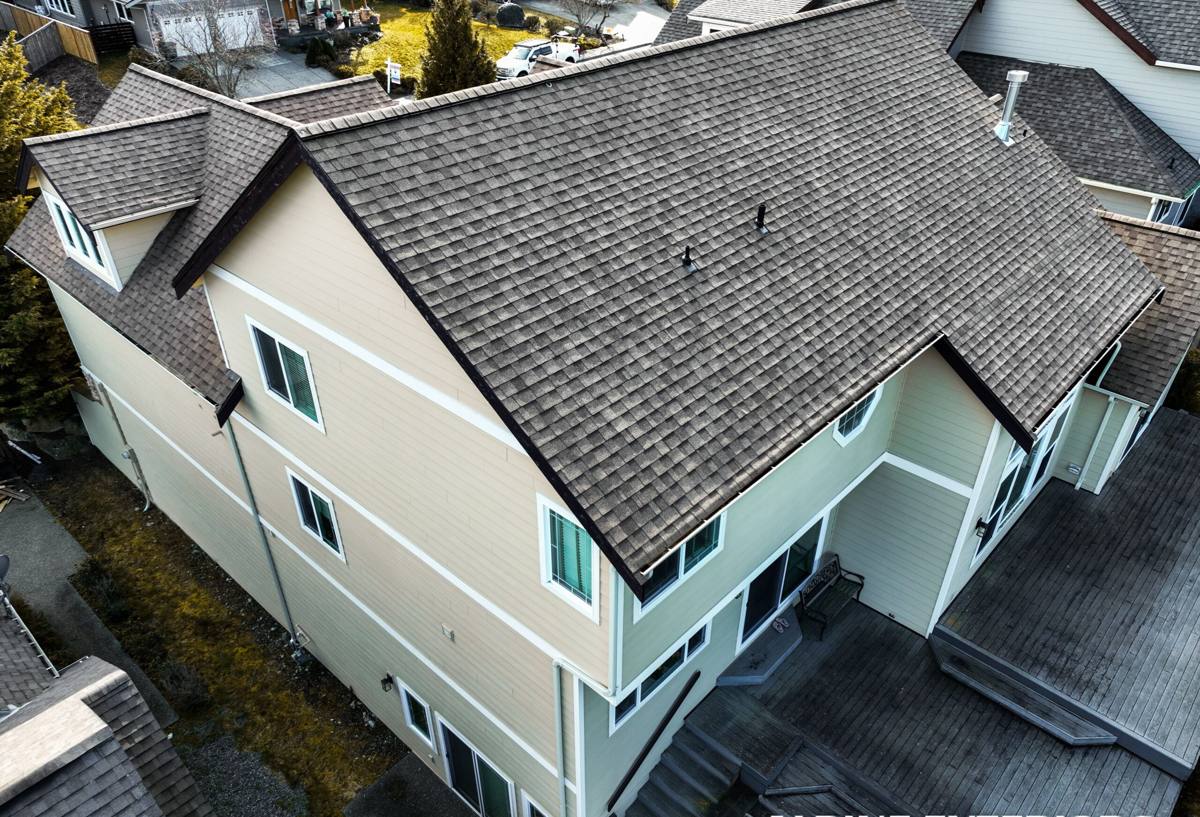
What Salt Air, Driving Rain, and Moss Season Actually Do to Windows
Salt Air and Metal Components
Salt in the air is corrosive to exposed metal — hinges, cranks, locks, and screws — long before the window sash or frame shows any visible damage. Once hardware starts to seize or corrode, windows get harder to open and close properly, which often means they get left cracked open or forced shut, both of which accelerate seal failure.
Driving Rain and Wind-Driven Moisture
Cherry Point's exposure means rain doesn't just fall straight down — it gets pushed sideways into window assemblies during storms. Older windows, or windows installed without proper flashing and sill pan details, let that wind-driven moisture find its way behind trim and into wall cavities. That's where the real damage happens: not on the visible glass, but in the framing you can't see until there's a soft spot or a stain on the interior wall.
Moss Season and Prolonged Dampness
On shaded or north-facing walls, windows can stay damp for days at a stretch during the wetter months. That prolonged moisture is exactly what moss, mildew, and wood rot need to get established on sills, trim, and any exposed wood framing. Vinyl and fiberglass windows resist this better than bare wood, but even the best window can't overcome a poor installation that traps water against the frame.
Signs a Cherry Point Home Needs Window Replacement, Not Just Repair
- Fogging or a visible haze between panes of double-glazed glass — a sign the seal has failed and the insulating gas has escaped
- Hardware that's stiff, corroded, or won't latch fully, especially on windows facing the water or prevailing wind
- Soft or discolored wood at the sill or bottom corners of the frame, often the first visible sign of rot behind the surface
- Noticeable drafts or cold spots near the window even when it's fully closed and locked
- Visible daylight or gaps around the frame where it meets the siding or trim
- A frame that's warped, bowed, or no longer sits flush, making the window difficult to open or close
- Rising heating bills without another clear explanation, which often points to failing seals or single-pane glass
- Moss, algae, or persistent black staining on the sill or lower frame that keeps coming back after cleaning
Any one of these on its own might be repairable. Several at once, especially on a home's more exposed sides, usually means the window's service life is up and replacement is the more honest recommendation.
What a Correct Window Replacement Involves
The window itself only accounts for part of how well a replacement performs. In a climate like Cherry Point's, installation detail matters as much as product quality — arguably more, since a mediocre window installed correctly will often outlast a premium window installed poorly.
Removing the Old Window the Right Way
This means checking the condition of the rough opening once the old unit is out — not just popping in a new window and hoping the framing underneath is sound. Any rot or moisture damage found at this stage needs to be addressed before the new window goes in, not covered over.
Flashing and Sill Pan Details
Proper flashing integrates with the home's existing water-resistive barrier so that any moisture that does reach the window sheds down and out, rather than pooling at the sill or working behind the siding. A sill pan under the window gives any incidental water a way out instead of a place to sit. Given how much wind-driven rain Cherry Point sees, this step is not optional — it's the difference between a window that stays dry inside the wall and one that quietly rots the framing over several winters.
Sealing and Insulation
The gap between the window frame and the rough opening needs to be insulated and sealed with the right materials — not overfilled with expanding foam that can bow the frame, and not left with gaps that let air and moisture through. Exterior caulking needs to be a product rated for the movement and moisture exposure of a coastal wall, applied at the right joints, not everywhere indiscriminately.
Hardware and Finish Selection
Given the corrosion risk from salt air, hardware finish matters more here than in a drier inland location. Stainless or coated hardware designed for coastal exposure holds up considerably longer than standard-grade components.
Choosing Window Materials and Glass for a Coastal Climate
| Frame Material | How It Handles Cherry Point Conditions | Maintenance |
|---|---|---|
| Vinyl | Resists corrosion and moisture well; won't rot; performance depends heavily on installation quality | Low — occasional cleaning |
| Fiberglass | Very stable in temperature and moisture swings; strong resistance to warping near the water | Low |
| Aluminum | Durable but more prone to condensation and, without a quality coating, to corrosion from salt air | Moderate |
| Wood (unclad) | Attractive but the most vulnerable to rot and moss growth in prolonged damp, shaded conditions | High — regular sealing/painting |
| Wood, clad exterior | Combines interior wood appearance with an exterior shell that resists moisture better than bare wood | Low to moderate |
Glass selection matters too. Double-pane, low-E glass is the practical baseline for this area — it cuts heat loss and helps control condensation, which is a real concern on the colder, wetter days that make up a large share of the year here. Argon-filled units add a modest additional layer of insulating performance. We'll talk through options honestly, including where a mid-range choice makes more sense than the most expensive option on the shelf.
Our Window Replacement Process
- On-site assessment — We look at each window individually, including exposure direction, current condition, and any signs of moisture damage in the surrounding wall.
- Honest recommendation — We tell you which windows genuinely need replacement now, which can wait, and why — not a blanket sell.
- Material and glass selection — We walk through frame and glass options suited to your home's exposure and budget.
- Careful removal and opening inspection — Old windows come out cleanly, and we check the rough opening for hidden rot or damage before anything new goes in.
- Correct flashing, sill pan, and sealing — Every installation follows proper water-management detailing, not just a fast caulk-and-go job.
- Final check and cleanup — We test operation, confirm a tight seal, and leave the work area clean.
What Window Replacement Typically Costs and What Drives the Price
| Factor | Why It Affects Cost |
|---|---|
| Frame material | Vinyl generally costs less than fiberglass or clad wood; coastal-grade hardware adds a modest premium |
| Window size and type | Larger units, custom shapes, and operable styles like casements cost more than standard double-hung sizes |
| Number of windows | Replacing multiple windows in one visit typically reduces the per-window labor cost |
| Condition of the rough opening | Hidden rot or moisture damage found during removal adds repair work before the new window can go in |
| Access and site conditions | Second-story or hard-to-reach windows take more time and equipment |
We don't quote sight-unseen prices over the phone for a reason — the honest number depends on what we find once a window comes out, and we'd rather give you an accurate estimate than a low one that changes halfway through the job.
Why Hiring a Crew That Already Works in Cherry Point Matters
A contractor who mostly works drier, inland jobs can install a technically correct window and still get it wrong for this location, because the margin for error on flashing and sealing is smaller here. A crew that regularly works Blaine and the surrounding Whatcom County coastline already knows which details can't be skipped — sill pan flashing, the right sealant for a salt-exposed joint, hardware that won't seize up in two winters. That familiarity comes from doing the work in these conditions repeatedly, not from a general contractor's checklist.
It also means we're not guessing about how a particular product line holds up locally over time. We've seen which materials age well near the water and which ones need more upkeep than homeowners expect, and we'll tell you that directly rather than steering you toward whatever has the best margin.
Get a Straightforward Estimate
If your windows in Cherry Point are showing fog between the panes, stiff hardware, drafts, or wear around the frame, it's worth having someone take an honest look before winter's driving rain finds its way in. Fill out the form below for a free, no-pressure estimate — we'll tell you what we see, what actually needs replacing, and what can reasonably wait.