 Blaine Siding
 Building a Deck That Holds Up in Everson
A deck in Whatcom County has a harder job than most homeowners realize. Between the fall and spring, this part of Washington sees months of steady rain, long stretches of low sun and shade, and the kind of humidity that keeps horizontal wood surfaces damp for days at a time. For homes closer to the water around Blaine, salt-laden air speeds up corrosion on fasteners and finishes. Further inland toward Everson, the bigger issue is usually standing moisture and moss — anywhere a deck board, railing cap, or stair tread stays wet and shaded, moss and algae will find it. A deck that isn't built with that reality in mind will show it within a few seasons: soft spots, black streaking, slick footing, and rust bleeding through paint or stain.
Building or replacing a deck here isn't just a carpentry job. It's a decision about materials, drainage, and fastener choices that either work with this climate or fight it for the next fifteen to twenty-five years.
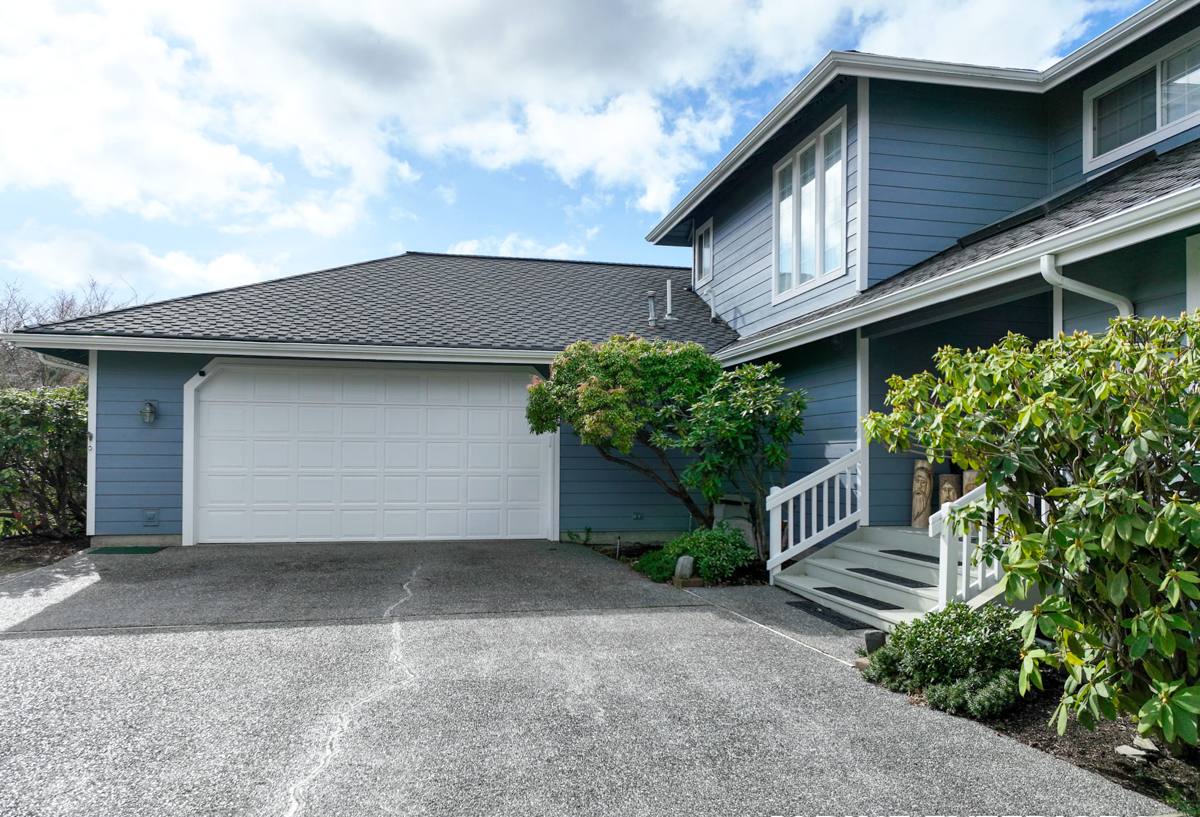
What Everson-Area Homes Need From a Deck
Everson and the surrounding areas of Whatcom County sit inland, often near flatter, lower-lying ground and higher water tables than you'd find on a bluff or hillside lot. That changes a few things about how a deck should be built:
- Footing depth and drainage: Footings need to be set below frost depth and away from areas where water pools after heavy rain, which is common on flatter lots.
- Ground clearance: Low decks built tight to damp soil trap moisture underneath and rarely dry out between storms. Proper clearance and airflow underneath matter more here than in drier climates.
- Wood movement: Humidity swings between soggy winters and drier summer stretches cause lumber to expand and contract. Board spacing and fastening methods need to account for that movement instead of fighting it.
- Shade and sun exposure: Mature trees and tall fencing common on rural and suburban Whatcom County lots mean parts of a deck may stay damp and shaded most of the day, which accelerates moss growth in those specific zones.
None of this is exotic engineering — it's just paying attention to how a deck actually behaves in this specific climate instead of building the same way you would in a dry, sunny region.
Decking Material Options for This Climate
There's no single "best" decking material for every home — it depends on budget, how much upkeep you want to do, and how the deck will be used. Here's how the common options actually perform once the wet season sets in.
| Material | Upfront Cost | Maintenance | How It Handles Moss & Moisture |
|---|---|---|---|
| Pressure-treated lumber | Lowest | Annual cleaning and re-sealing recommended | Prone to moss and mildew if not cleaned; performs well if maintained |
| Cedar | Moderate | Periodic cleaning and refinishing | Naturally rot-resistant, but still needs care to stay moss-free |
| Composite decking | Higher | Occasional washing, no staining/sealing | Resists rot; some early composite products stained more than current formulations, so board choice matters |
| PVC / capped composite | Highest | Low — mostly rinsing | Best moisture resistance of the group, especially in shaded, low-airflow spots |
We don't push one material on every job. A shaded, low-airflow deck under trees is a poor candidate for bare pressure-treated lumber left unsealed — moss will win. A sun-exposed deck with good airflow can do perfectly well in cedar or treated wood if you're willing to clean and reseal it on a normal schedule. We'll walk through the trade-offs honestly based on your specific site, not just sell the most expensive option.
A Note on Composite and PVC Products
Not all composite or capped boards are built the same. Board density, cap thickness, and how the manufacturer engineers moisture resistance all vary. We install boards from manufacturers with a track record in wet Pacific Northwest climates and warranty terms that hold up, rather than the cheapest option on a shelf. If a product has known installation sensitivities — expansion gaps, fastener spacing, ventilation requirements — we follow the manufacturer's spec exactly, because that's usually where warranty claims get denied.
Framing and Structure: What's Underneath Matters Most
The decking surface is what you see, but the framing underneath determines whether the deck is safe and long-lasting. In a wet climate like this, a few details separate a deck that lasts decades from one that needs structural repair in five years:
- Ledger board flashing: Where a deck attaches to the house is the single most common source of hidden rot. Proper flashing keeps water from working behind the siding and into the rim joist.
- Joist protection: Joist tape or an equivalent moisture barrier on top of framing lumber keeps standing water from soaking into end grain and fastener holes, which is where rot typically starts.
- Fastener and hardware coatings: Pressure-treated lumber is corrosive to standard steel hardware. We use hot-dip galvanized or stainless connectors and fasteners rated for treated lumber contact, which matters even more in a damp, sometimes salt-influenced regional climate.
- Footing depth: Set below frost line and sized for the actual load, not just a minimum guess.
These aren't upgrades — they're the baseline for a deck that's supposed to hold a family and outdoor furniture for the next twenty years in this weather.
Railings, Stairs & Code Requirements
Washington's residential building code sets baseline requirements for guardrail height, baluster spacing, and stair geometry, and Whatcom County permitting enforces those requirements on qualifying deck projects. In general terms, guardrails on elevated decks need to meet minimum height requirements, baluster spacing is limited so a small child can't pass through, and stair rise and run have to stay within a consistent range for safety. Permit requirements typically depend on the deck's height above grade and its size — smaller, low decks may not require one, while an elevated deck attached to the house usually will.
We handle the permit process as part of the job rather than leaving it to the homeowner to sort out. That includes submitting plans that meet current code and coordinating inspections, so you're not the one chasing down paperwork or dealing with a failed inspection later.
Our Deck-Building Process
Every project starts with a site visit, not a phone quote. We look at your lot's drainage, sun and shade pattern, soil, and how the deck will actually be used before recommending a material or layout.
- Design and material selection: We talk through layout, decking material, and railing style based on your budget and how the space will be used.
- Permitting: If your project requires a permit, we handle the submission and inspection scheduling.
- Site prep and framing: Footings, ledger flashing, and structural framing go in first, built to hold up in this climate specifically.
- Decking, railings, and finish work: Surface material and railings are installed per manufacturer spec, including expansion gaps and fastening methods appropriate to the product.
- Final walkthrough: We go over the finished deck with you, including basic care instructions specific to the material you chose.
Maintaining a Deck Through Whatcom County's Wet Season
Even a well-built deck needs some seasonal attention in this climate. Most of it is simple, but skipping it is how moss and rot get a foothold.
- Sweep debris and fallen leaves off the deck regularly in fall — trapped organic material holds moisture and feeds moss growth.
- Rinse or lightly scrub shaded, low-airflow areas where moss tends to establish first.
- Check and clear gaps between boards so water can drain through instead of pooling.
- Inspect fasteners and hardware annually for rust staining, which can signal the wrong hardware was used or a coating is failing.
- Reseal or restain wood decking on the schedule appropriate to the product — typically every one to three years depending on sun exposure.
- Confirm gutters and downspouts near the deck aren't dumping extra water onto or under the structure.
Why Local Experience in Everson Matters
A contractor who mostly works drier climates or unfamiliar soil conditions will sometimes build a technically sound deck that still struggles here — the wrong material in a shaded spot, hardware that corrodes faster than expected, or drainage that doesn't account for how wet this ground gets from fall through spring. Working regularly in and around Everson and the broader Blaine and Whatcom County area means we've seen how different lots, exposures, and soil conditions actually perform over time, not just on paper. That translates into material recommendations and framing details that are matched to this specific climate, and permit and inspection processes we're already familiar with.
If you're planning a new deck or need to replace one that's showing its age, we're glad to take a look and give you a straight answer about what your home actually needs. Reach out for a free, no-pressure estimate using the form below.