 Blaine Siding
 Why Grandview Homes Need Windows Built for This Climate
Grandview sits close enough to the water that its homes take a different kind of weather beating than houses just a few miles inland. Salt-laden air off the Strait of Georgia works on metal hardware and finishes year-round, driving rain finds its way into gaps that would stay dry in a drier climate, and the long, damp stretch of fall through spring gives moss and mildew months to get established on anything that stays wet. Windows are one of the first places all of that shows up — fogged glass, swollen sashes, corroded hardware, and drafts that weren't there five years ago.
An energy-efficient window replacement in Grandview isn't just about a lower heating bill, though that's real. It's about choosing glass, frame material, and installation details that are matched to Whatcom County's specific coastal conditions instead of a generic "energy efficient" label that was tested somewhere drier and calmer.
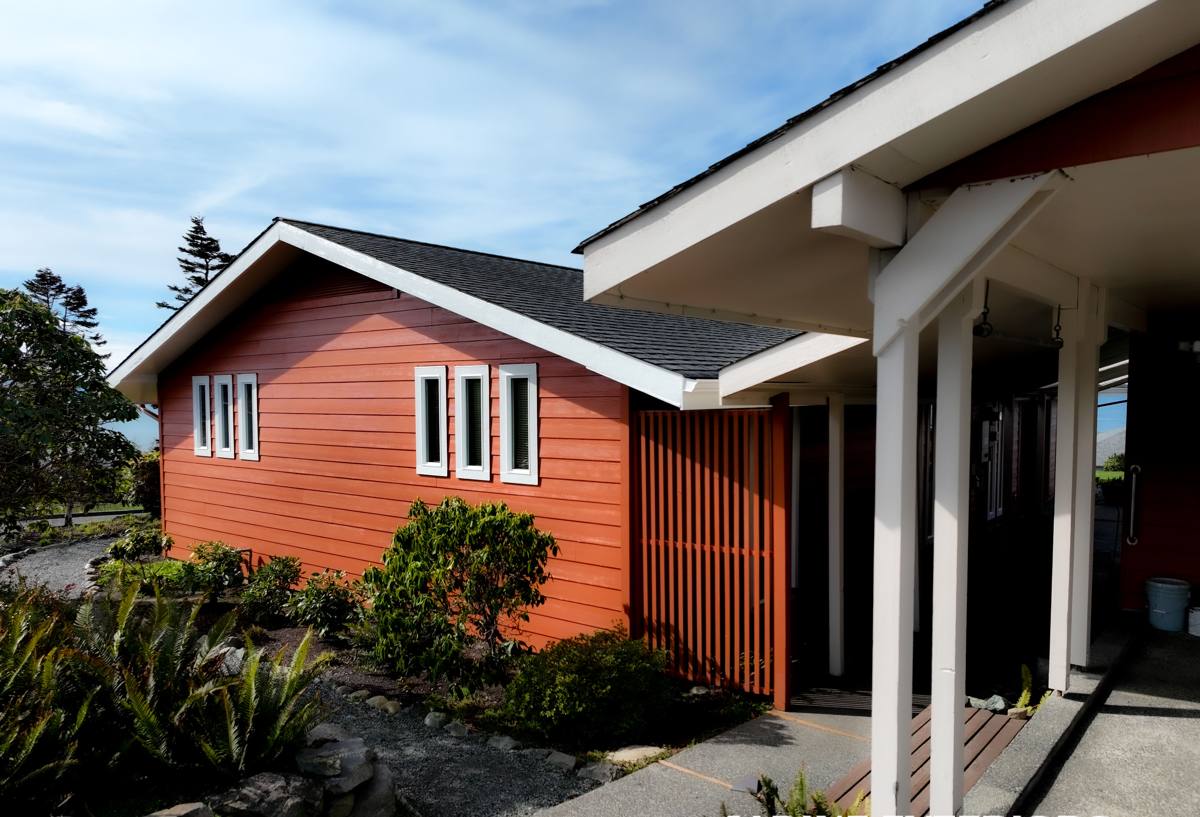
What Blaine's Coastal Climate Actually Does to Windows
Salt Air and Hardware Corrosion
Salt in the air accelerates corrosion on anything metal — window locks, hinges, balance systems, and screen frames included. Lower-grade hardware that would last two decades in a dry inland climate can start pitting or seizing up much sooner this close to saltwater. This is why hardware quality and finish matter as much as the glass package when we're specifying windows for a Grandview home.
Driving Rain and Wind-Driven Water
Blaine gets wind off the water that pushes rain sideways into wall assemblies, not just straight down. Windows here need to shed that water at the surface and, just as important, manage anything that does get past the seal — through proper flashing and drainage, not just caulk and hope. A window that performs fine in calm rain can still leak under sideways-driven storms if it wasn't detailed correctly.
The Long Moss Season
Whatcom County's moss season runs long — shaded, damp conditions persist for much of the year on north-facing walls and anywhere air doesn't move freely. Moss and algae on and around window frames hold moisture against the surface, which is hard on wood trim, degrades caulk and sealant faster, and can trap water against frames that aren't designed to drain themselves.
What "Energy-Efficient" Actually Means Here
Energy efficiency in a window comes down to a few measurable things: how well the glass blocks heat transfer, how well the whole unit resists air leakage, and how well the frame holds its shape and seal over time in this specific climate. In a coastal, high-moisture area like Grandview, that last part — long-term seal integrity — matters as much as the glass spec on day one.
Glass and Glazing Options
Double-pane glass with a low-E coating and an insulated (argon or krypton-filled) space between panes is the baseline for a genuinely efficient window in this region. Low-E coatings reflect heat back into the home in winter and block excess solar heat gain in summer, without noticeably darkening the glass. Triple-pane glass adds a third layer of insulation and can be worth it on north- or west-facing walls that take the brunt of wind and weather, though it adds cost and weight that isn't always necessary on every elevation of a home.
Frame Materials for a Salt-Air Environment
Frame material choice affects how a window holds up to salt air and moisture over the long run, not just its insulation value. We look at three main factors for Grandview homes: resistance to corrosion and rot, dimensional stability (does it expand, contract, or warp with temperature and moisture swings), and how much upkeep it realistically needs.
| Frame Material | Salt Air & Moisture Resistance | Maintenance | Typical Lifespan |
|---|---|---|---|
| Vinyl | Very good — won't rust or rot | Low; occasional cleaning | 20-30+ years |
| Fiberglass | Excellent — very stable, resists corrosion | Low | 30-40+ years |
| Wood (unclad) | Poor without diligent upkeep near saltwater | High; needs regular refinishing | Varies widely with maintenance |
| Aluminum-clad wood | Good if cladding and seams stay intact | Moderate | 20-30+ years |
We don't install unclad wood windows on homes this close to the water as a standard practice — the maintenance burden to keep them sealed and rot-free in a salt-air, high-moisture climate is more than most homeowners want to sign up for, and a failed seal or finish shortens the window's real service life fast. Vinyl and fiberglass hold up with far less intervention, which is why they're our default recommendation for Grandview.
Signs Your Current Windows Are Underperforming
Homeowners often live with a slow decline in window performance for years before deciding to act, because the changes happen gradually. Here's what tends to show up first in this climate:
- Fogging or a milky haze between panes — the seal has failed and the insulating gas has escaped
- Visible corrosion, pitting, or stiffness in locks, cranks, or hinges
- A noticeable draft near the frame, especially during windy storms off the water
- Soft, discolored, or spongy wood trim or sills around the window
- Moss, algae, or black staining building up on or just below the frame
- Difficulty opening, closing, or fully latching a window that used to operate smoothly
- A jump in heating costs without a clear other explanation
What a Correct Installation Actually Involves
Flashing and Water Management
The single biggest factor in whether a window leaks isn't the window itself — it's how it's flashed and integrated into the wall. Proper flashing directs any water that gets past the exterior surface back out, rather than letting it sit against wood framing or sheathing. In a driving-rain climate like Blaine's, this step is not optional trim work; it's the difference between a window that's dry in year one and still dry in year fifteen.
Sealing and Insulation
Around the frame, the gap between the window unit and the rough opening needs to be insulated and air-sealed correctly — not overpacked with expanding foam, which can bow the frame, and not left with gaps that let air and moisture in. Exterior sealant beads need to be continuous and applied to clean, dry surfaces, which is one reason install timing and weather conditions matter as much as the product itself.
Fit and Squaring
A window that's not shimmed and squared correctly will bind, won't seal tightly against its weatherstripping, and puts uneven stress on the frame — all of which shorten its working life. This is basic craft, but it's the step that gets rushed on jobs where speed is prioritized over fit.
Our Process for a Grandview Window Replacement
- On-site assessment — we look at each window's current condition, exposure (which walls take the most wind and rain), and any underlying trim or sheathing damage before recommending anything.
- Product recommendation — we match frame material and glass package to each elevation of the home rather than defaulting to one spec for the whole house.
- Removal and inspection — once old windows come out, we check the rough opening and surrounding framing for hidden rot or water damage before anything new goes in.
- Flashing and installation — proper flashing, air-sealing, and squaring, done to manage water the way this climate demands.
- Final check and cleanup — every window is tested for smooth operation and a tight seal before we consider the job done.
What Affects the Cost of a Window Project in Grandview
Every home and project is different, but the same handful of factors drive most of the cost variation we see on window jobs in this area:
| Factor | Why It Matters |
|---|---|
| Frame material | Fiberglass typically costs more upfront than vinyl but needs less long-term upkeep |
| Glass package | Triple-pane and specialty coatings add cost but can pay off on exposed elevations |
| Full-frame vs. insert replacement | Full-frame replaces down to the studs and costs more but corrects underlying flashing issues |
| Number and size of openings | Larger or more numerous windows increase material and labor |
| Existing damage | Rotted framing or sheathing found during removal adds repair scope |
| Wall exposure | Windows on the wind- and rain-facing side may warrant a higher spec than sheltered ones |
Rather than quoting a single number for "windows," we walk the whole exterior with you and price by elevation and condition, so you're not overpaying for a spec you don't need on a sheltered wall, or underspending on the one that takes the weather head-on.
Why Local Experience in Grandview Matters
A contractor who's worked windows elsewhere in the Pacific Northwest still has to relearn Blaine's particular mix of salt exposure, wind direction, and moss growth if they haven't worked this specific stretch of Whatcom County before. Knowing which walls in Grandview typically take the worst weather, which hardware finishes actually hold up here, and how to detail flashing for this rainfall pattern isn't something you get from a general specification sheet — it comes from doing the work in this exact climate, repeatedly, and seeing how installations hold up years later.
That local track record also means we're not guessing about what fails first in this environment. We've seen which shortcuts show up as callbacks two or three winters later, and we build our process to avoid them from the start.
Keeping New Windows Performing Long-Term
Even a correctly installed, well-specified window benefits from a little seasonal attention in this climate:
- Rinse salt residue and grime off glass and frames periodically, especially after storms
- Keep moss and organic buildup cleared from sills, tracks, and surrounding trim
- Check that weep holes (the small drainage openings at the base of the frame) stay clear of debris
- Operate locks and hardware a few times a year so moving parts don't seize up
- Inspect exterior caulk lines annually and have any cracking or gaps addressed before winter
If you're weighing whether it's time to replace aging windows on a Grandview home, we're happy to take a look and give you a straightforward, no-pressure assessment of what your windows actually need. Use the form below to request a free estimate.