 Blaine Siding
 Roof Repair Built for Grandview's Weather
Homes in the Grandview area near Blaine sit close enough to the water that salt-laden air, driving rain off the Strait, and a moss season that can run eight months a year all show up in the condition of a roof. We've repaired roofs throughout this part of Whatcom County long enough to know the difference between a roof that's simply weathered and one that's actually failing underneath. This page covers what Grandview homeowners typically need from a roof repair, what we check before we touch anything, and how to tell a real fix from a patch job that buys you a year and then some.
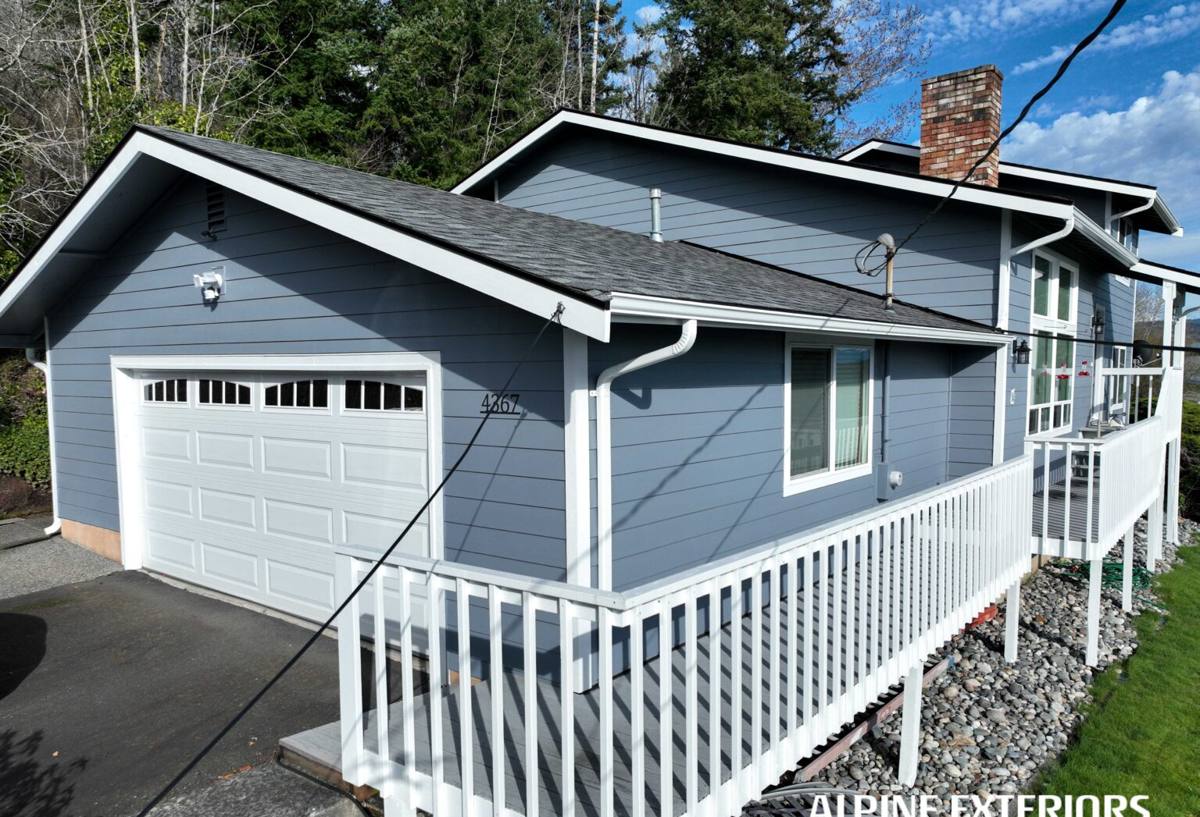
Why Grandview Roofs Wear the Way They Do
Grandview's location means roofs here deal with a specific combination of stressors that inland Whatcom County homes don't see as intensely.
Salt Air and Metal Fatigue
Coastal salt air accelerates corrosion on exposed fasteners, flashing, and any metal roofing components. Galvanized nails and older flashing that would last decades further inland can start showing rust streaks and pinhole leaks years earlier near the coast. This is one of the first things we look at on a Grandview repair call — corroded fasteners are a common, easily missed leak source.
Driving Rain and Wind-Driven Water Intrusion
Rain here doesn't always fall straight down. Wind off the water pushes it sideways, under shingle tabs, up into ridge vents, and into any gap in flashing that a calm-weather inspection might miss. A repair that only addresses the visible drip point and ignores the wind-driven path it actually took will leak again in the next storm.
Moss, Shade, and Slow Moisture Damage
Long wet seasons combined with tree cover common in this area create ideal conditions for moss and algae growth. Moss holds moisture against the roof surface far longer than open air-drying allows, which softens shingles, lifts granules, and works its way under laps over time. By the time moss is visibly thick, the roofing underneath has usually been compromised for a while.
Signs a Grandview Roof Needs Repair, Not Just a Look
- Water stains on interior ceilings or upper walls, especially after a windy rainstorm
- Granules collecting in gutters or at downspout outlets
- Visible moss or dark algae streaking, particularly on north-facing or shaded slopes
- Lifted, curling, or missing shingle tabs
- Rust staining around vent pipes, flashing, or metal roof panels
- Soft or spongy decking felt underfoot near valleys or eaves
- Daylight visible through the roof deck from inside an attic
- Ice or debris damming near valleys during heavy rain events
Any one of these on its own might be minor. Two or three together usually mean the roof has an active moisture path that's been developing for a while.
What a Correct Roof Repair Actually Involves
A roof repair that holds up in this climate isn't just about swapping a few shingles. We work through a consistent process on every call:
1. Find the Real Source, Not Just the Symptom
Interior water stains rarely appear directly below the actual leak — water travels along decking and framing before it shows itself inside. We trace the path from the interior sign back to the roof surface, checking flashing, penetrations, and shingle laps along the way rather than patching the first thing we see.
2. Check the Decking, Not Just the Surface
If moisture has been getting in for any length of time, the plywood or OSB decking underneath can be soft or delaminating. Replacing shingles over compromised decking is a short-term fix that fails again quickly. We check decking condition at every repair area before deciding on scope.
3. Address Flashing and Fasteners, Not Just Shingles
Given how much coastal repair work traces back to corroded or improperly sealed flashing, we treat flashing, step flashing, and fastener condition as part of the repair, not an afterthought. Reusing rusted or undersized flashing to save a step is exactly the kind of shortcut that brings a homeowner back to square one.
4. Match Materials and Technique to What's Already There
Repairs should blend into the existing roof system — matching shingle profile, color as closely as possible, and fastening pattern — while also meeting current best practice for underlayment and flashing detail. A repair that looks fine but wasn't tied into the existing water management correctly will leak at the seam between old and new.
5. Clear Moss and Address the Conditions Causing It
Where moss is a factor, we remove it using methods that don't gouge or strip granules, and we'll flag contributing conditions — like heavy shade or debris buildup in valleys — so the problem doesn't just come back next season.
Repair or Replace? How We Help You Decide
Not every damaged area needs a full roof replacement, and not every roof is worth chasing with repeated patches. We give homeowners a straight answer based on what we actually find, not on which answer is more profitable for us.
| Factor | Leans Toward Repair | Leans Toward Replacement |
|---|---|---|
| Roof age | Under 15-20 years, one material generation | Nearing or past expected service life |
| Extent of damage | Localized — one slope, valley, or penetration | Spread across multiple slopes or recurring in different spots |
| Decking condition | Solid, dry, minor spot repair needed | Widespread soft spots or rot |
| Moss/algae history | First occurrence, manageable | Chronic, granule loss is significant |
| Prior repair history | First repair call on this roof | Multiple past patches in different areas |
When a roof is in the gray zone, we'll walk you through both options honestly, including rough cost ranges, so you can decide based on your timeline and budget rather than guesswork.
What Drives the Cost of a Roof Repair
Roof repair pricing varies a lot depending on what's actually wrong, but a few factors consistently move the number:
- Accessibility — steep pitch, height, or difficult roof lines take more time and safety setup
- Decking condition — replacing rotted decking adds material and labor beyond surface work
- Flashing scope — full flashing replacement at chimneys, valleys, or walls costs more than a shingle-only patch
- Material match — matching an older or discontinued shingle profile can require sourcing time
- Moss/algae removal — heavy buildup adds cleanup labor before repair work can even start
Simple, well-defined repairs are typically a modest expense measured in a few hundred dollars; more involved repairs with decking or flashing replacement run higher. We give a firm number after inspection, not a phone-quote guess.
Why Local Experience Matters for This Repair
A roof repair crew that hasn't worked coastal Whatcom County conditions will often under-scope a Grandview job — treating it like a standard inland repair and missing the salt-air fastener corrosion or the wind-driven water path that caused the leak in the first place. Working this area regularly means we know which failure points show up here more than elsewhere, and we build the repair to hold against them rather than just against the symptom on the day we show up.
We also stand behind the work with a workmanship warranty on the repair itself, in addition to whatever manufacturer coverage applies to the materials used.
Our Repair Process, Step by Step
- Free on-site inspection, including attic check when accessible, to trace the actual leak path
- Written scope and cost estimate before any work begins — no surprise add-ons
- Decking and flashing assessment as part of the repair, not billed separately after the fact
- Repair performed with materials matched to your existing roof where possible
- Cleanup of the work area, including moss debris if that was part of the job
- Final walk-through so you can see what was done and why
Simple Maintenance That Extends Time Between Repairs
A few habits go a long way toward keeping repair calls infrequent in this climate:
- Keep gutters and valleys clear of needles and debris, especially heading into fall storms
- Trim back overhanging branches to cut down on shade and moss growth
- Have moss treated before it becomes thick and matted, not after
- Schedule a visual roof check after major windstorms, not just once a year
- Address small leaks early — a small fix now is almost always cheaper than the damage from letting it run
If you're noticing stains, moss, or missing shingles on a Grandview roof, we're happy to take a look and give you a straight, no-pressure estimate on what it actually needs. Fill out the form below and we'll get back to you to schedule a time.