 Blaine Siding
 Roof Repair Built for Blaine Harbor's Conditions
Homes near Blaine Harbor sit close enough to the water that the roof takes on a different kind of wear than a roof twenty miles inland. Salt-laden air moves through the neighborhood on a regular basis, wind-driven rain comes in sideways off the Strait more often than most homeowners expect, and the shaded, moisture-heavy stretches of the year give moss a long runway to establish itself. None of that is unusual for Whatcom County, but it does mean a roof repair here has to account for things a generic patch job overlooks.
We work on roofs in this area regularly, which matters more than it sounds like. A crew that only sees a handful of Blaine Harbor roofs a year is learning on your house. A crew that works the neighborhood consistently already knows which failure patterns show up first, which materials hold up, and which shortcuts cost homeowners money two years down the road.
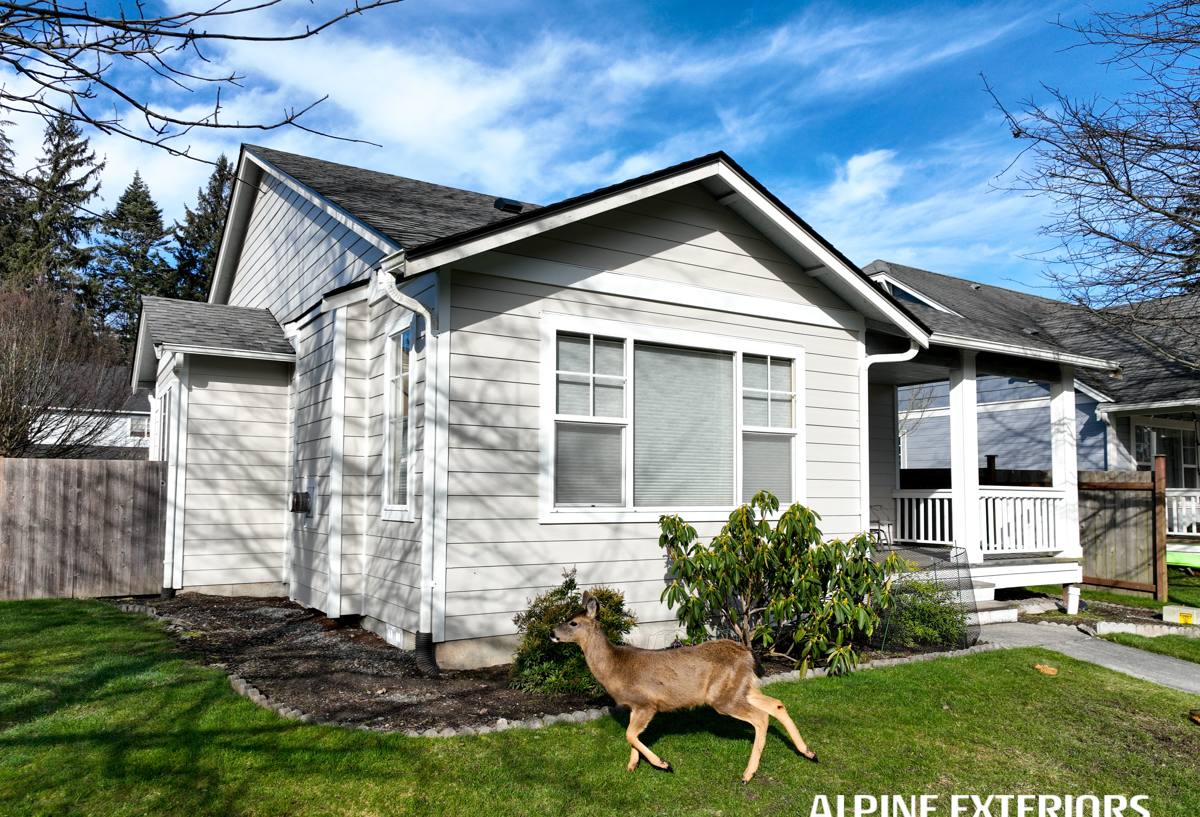
What Salt Air, Driving Rain, and Moss Actually Do to a Roof
Salt Air
Airborne salt accelerates corrosion on exposed metal — flashing, fasteners, gutter hardware, and any exposed nail heads. A fastener that would last decades inland can start rusting and losing grip years earlier this close to the harbor. Once a fastener backs out or corrodes through, the shingle or panel it was holding is no longer sealed, and that's how small leaks start.
Driving Rain
Rain that comes in at an angle instead of straight down finds weaknesses that vertical rain never would. It gets pushed under shingle tabs, behind poorly lapped flashing, and into any gap around penetrations like vents, chimneys, and skylights. A repair that would hold up fine in calmer conditions can fail here if the flashing laps and sealant details aren't done with wind-driven rain specifically in mind.
Moss
Moss doesn't just look bad — it holds moisture against the roofing material for extended periods, works its way under shingle edges as it grows, and can lift tabs enough to let water in. In the shaded, north-facing, or tree-covered sections of a roof, moss season in this part of Washington runs long, and a roof that isn't checked and cleaned periodically will show accelerated wear in exactly those spots.
Signs a Blaine Harbor Roof Needs Repair, Not Just a Look
- Granules collecting in gutters or at downspout outlets (a sign of shingle wear, often faster near the water)
- Dark streaking or thick moss growth on shaded slopes
- Rust staining running down from flashing, vent boots, or exposed fasteners
- Curling, cupping, or lifted shingle tabs, especially on wind-exposed faces of the roof
- Water stains on interior ceilings near exterior walls, chimneys, or skylights
- Soft or spongy decking felt underfoot in the attic or when walking the roof
- Visible gaps or separation at flashing around chimneys, walls, and roof-to-wall transitions
- Loose or missing shingles after a windstorm off the water
Any one of these on its own might not be urgent. Two or three together, especially combined with an interior stain, usually means water is already getting past the roofing material and it's worth having someone look before the next heavy rain.
What a Correct Repair Involves Here
A roof repair isn't just replacing what's visibly damaged. Done right, it starts with figuring out why that spot failed in the first place — otherwise you're patching a symptom and the same leak comes back in a year.
Diagnosis First
We trace water stains and soft spots back to their actual entry point, which is often several feet from where the stain shows up inside. Water follows rafters, sheathing seams, and underlayment laps before it drips somewhere visible, so an accurate diagnosis means getting on the roof and checking flashing, penetrations, and shingle courses upslope from the damage — not just patching where the ceiling is discolored.
Matching Materials and Technique to the Exposure
On a wind-exposed or harbor-facing slope, we pay close attention to fastener corrosion resistance and flashing laps, since that's where salt air and driving rain do the most damage. On shaded or moss-prone slopes, part of the repair is addressing the moisture source — trimming back what's holding shade and moisture against the roof where that's practical, and making sure the repaired section isn't going to trap water the same way the original did.
Flashing and Sealant Details
Most roof leaks near the water trace back to flashing — around chimneys, skylights, vent pipes, and where a roof meets a wall — rather than to the field shingles themselves. A repair that replaces shingles but leaves old, corroded, or improperly lapped flashing in place is a repair that's likely to leak again. We treat flashing as the first thing to check and, when needed, the first thing to redo correctly.
Our Repair Process
- On-site inspection. We walk the roof (weather permitting) and check the attic from inside where accessible, looking for the actual source of the problem, not just the visible symptom.
- Honest assessment. We tell you what's actually wrong, what caused it, and whether a targeted repair makes sense or whether the roof is old enough that repair money would be better put toward planning a replacement.
- Written scope and estimate. You get a clear description of the work and the cost before anything starts — no surprise add-ons once we're up there.
- The repair itself. Damaged materials removed, decking checked and replaced if it's compromised, correct underlayment and flashing details installed, and new roofing material matched as closely as possible to what's already on the roof.
- Cleanup and final check. Debris cleared, gutters checked for granule buildup or blockage from the repair, and a final look to confirm the fix is watertight.
Repair vs. Replacement: How We Help You Decide
| Factor | Leans Toward Repair | Leans Toward Replacement |
|---|---|---|
| Age of roofing material | Well within expected lifespan | Near or past manufacturer-rated life |
| Extent of damage | Isolated to one area or penetration | Widespread across multiple slopes |
| Decking condition | Solid, no rot or soft spots | Soft, delaminated, or repeatedly wet |
| Number of prior repairs | First or second repair on this roof | History of recurring leaks in different spots |
| Moss/moisture history | Manageable with cleaning and minor fixes | Chronic moss damage across large sections |
We're not going to talk you into a full replacement when a repair will genuinely hold up, and we're not going to keep patching a roof that's telling you it's done. If a repair is the right call, that's what we'll recommend and do.
Maintenance That Extends the Repair
A repair lasts longer when the rest of the roof is kept up too. In a harbor-adjacent, moss-prone climate like this one, that means:
- Periodic moss treatment or removal on shaded slopes before it takes hold under shingle edges
- Keeping gutters and downspouts clear so water isn't backing up against roof edges and fascia
- Checking flashing and fasteners every year or two, especially after a bad windstorm off the water
- Trimming back overhanging branches that keep sections of the roof shaded and damp
None of this replaces a proper repair when there's actual damage, but it's the difference between a repair that lasts its full expected life and one that gets undone by the same conditions that caused the original problem.
Why a Local Blaine Harbor Crew Matters
Roofing crews that work broadly across Whatcom County without much focus on the harbor-adjacent neighborhoods can miss the specific pattern of wear that shows up here — the corrosion rate on fasteners, the moss timeline in shaded yards, the way driving rain off the water finds gaps that calmer-climate roofs never test. Working this area consistently means we're not guessing at what a Blaine Harbor roof needs; we've seen the same failure points repeat across enough homes to know what actually holds up and what doesn't.
It also means faster response. When a storm off the Strait knocks loose shingles or opens up a flashing gap, having a crew that already knows the neighborhood and can get out quickly matters — a delayed tarp or delayed repair after a leak starts is when a small problem turns into a decking or interior repair.
If you've noticed moss buildup, a stain on a ceiling, or storm damage after a rough night off the water, we're glad to come take a look. Estimates are free, there's no pressure to sign anything on the spot, and you'll get a straight answer about what's actually going on with your roof — just fill out the form below.