 Blaine Siding
 Roofing Built for the Peace Arch Area's Weather, Not Just Any Weather
Homes near the Peace Arch border crossing sit in one of the more demanding roofing environments in Whatcom County. You've got marine air rolling in off the Strait of Georgia and Semiahmoo Bay, near-constant winter rain, and shaded rooflines that hold moss and moisture long after the rest of the yard has dried out. A roof installed with generic assumptions — the kind of job that would hold up fine in a drier inland climate — tends to show its age fast out here. Algae streaking, soft moss growth on north-facing slopes, and corroded fasteners are common on roofs that weren't specifically detailed for this coastline.
We install new roofs for homeowners in and around Peace Arch with that reality built into every decision — material choice, fastener spec, ventilation layout, and flashing detail. This page walks through what that actually means, so you know what to ask for and what to expect.
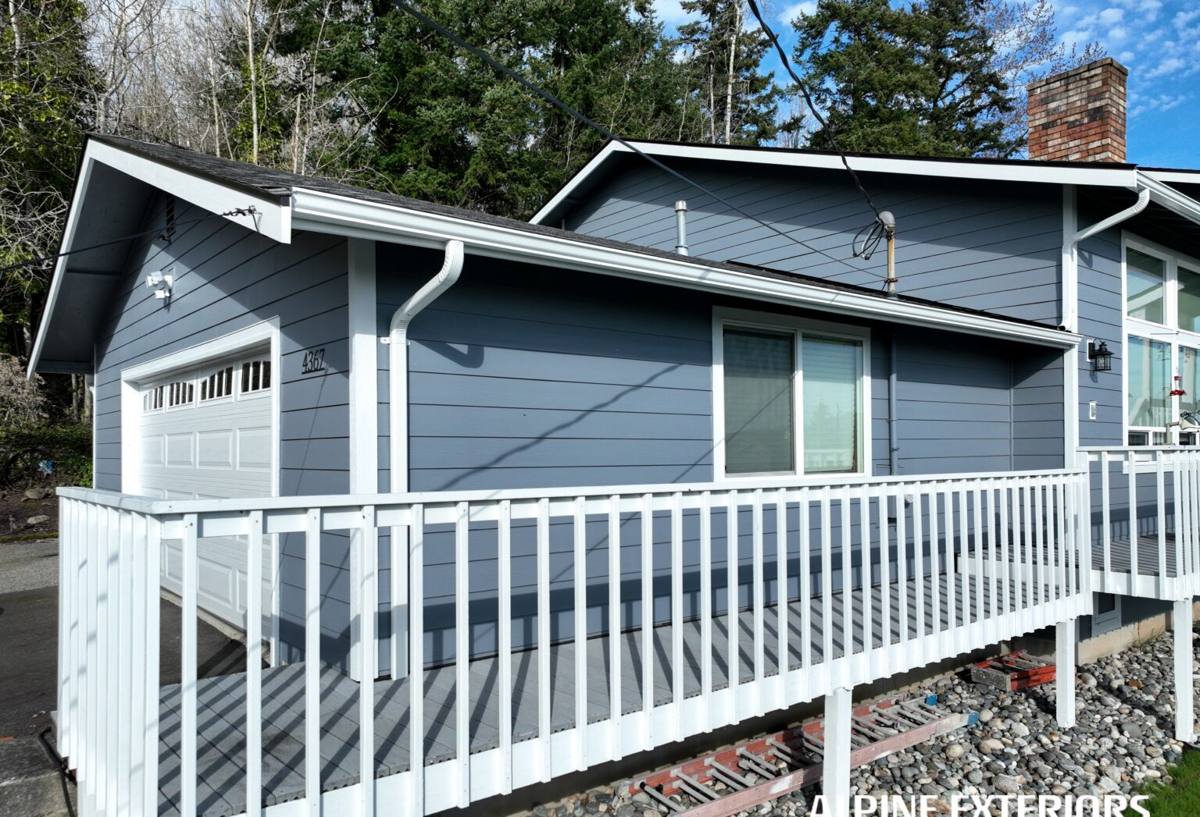
What Salt Air, Driving Rain, and Moss Season Do to a Roof
Salt Air and Corrosion
Proximity to the water means airborne salt settles on roofing metal, fasteners, and flashing year-round. Standard electro-galvanized nails and cheaper flashing alloys corrode faster here than they would ten or twenty miles inland. Once a fastener starts rusting, it loses grip strength and can streak the roofing material below it — that's often the first visible sign of a roof that wasn't spec'd for a coastal site.
Driving Rain and Wind-Driven Water
Storms coming off the Strait don't just drop rain straight down — wind pushes it sideways, up under shingle tabs, and into any gap in flashing or underlayment that a calm-weather installation might get away with. Roofs here need tighter seams, wider flashing laps, and underlayment that's actually rated for wind-driven water, not just standard felt.
Long Moss Season
Whatcom County's wet season stretches long, and shaded or north-facing roof sections can stay damp for weeks at a stretch. That's exactly the environment moss and algae need to take hold. Moss isn't just cosmetic — its root structure works into shingle granules and seams, holding moisture against the roof deck and shortening the material's working life. Roofs installed without moss-resistant materials or proper airflow underneath them tend to need moss treatment within just a few years of install.
What a Correctly Installed Roof Looks Like Out Here
A "correct" new roof installation for this area isn't a different product line — it's the same quality materials installed with attention to the details that matter most in a wet, salt-exposed climate. That includes:
- Corrosion-resistant fasteners and flashing (stainless or high-grade coated options) instead of the cheapest standard-grade hardware
- Ice-and-water shield or a comparable self-adhering membrane at eaves, valleys, and penetrations — not just at the code-minimum locations
- Wider, properly lapped step flashing and counter-flashing at every wall intersection and chimney
- Balanced intake and exhaust ventilation so the underside of the deck can actually dry out between storms
- Algae-resistant shingle granules or a metal finish chosen with this climate's moss/algae pressure in mind
- Careful attention to valleys and low-slope transitions, where standing water and debris collect fastest
None of this is exotic. It's standard trade knowledge applied consistently — the kind of detailing that separates a roof that looks fine on install day from one that still looks fine in year twelve.
Choosing the Right Roofing Material for a Peace Arch Home
There's no single "best" roofing material for every home — it depends on your roof's slope, shading, budget, and how much of a moss-fighting routine you want to keep up with. Here's how the common options compare for this specific climate:
| Material | Moss/Algae Resistance | Salt Air Durability | Typical Lifespan Here |
|---|---|---|---|
| Standard asphalt shingle | Moderate — needs periodic cleaning on shaded slopes | Good with coated fasteners | 18–25 years |
| Algae-resistant (AR) shingle | Better — granules treated to resist algae staining | Good with coated fasteners | 20–28 years |
| Metal (standing seam) | Very good — sheds moss, little for it to grip | Excellent with proper coating/alloy | 40+ years |
| Cedar shake | Poor without diligent maintenance — holds moisture | Fair — needs regular treatment | Varies widely with upkeep |
We're honest with homeowners about trade-offs rather than pushing one product for everyone. Cedar shake can look great, but it's a high-maintenance choice in a climate this wet, and we'll tell you that up front rather than let you find out the hard way. Metal roofing carries a higher upfront cost but the lowest long-term maintenance burden for moss-prone, heavily shaded lots. Algae-resistant asphalt shingles are a solid middle ground for most standard rooflines and budgets.
Our Installation Process
1. On-Site Assessment
We start by looking at your actual roof — slope, shading pattern, existing ventilation, and any trouble spots like valleys, skylights, or chimney flashing. This is where climate-specific decisions get made, not guessed at from a satellite photo.
2. Tear-Off and Deck Inspection
Full tear-off lets us inspect the deck itself. Coastal moisture sometimes finds its way into deck sheathing over the years, especially near valleys or old flashing that's failed quietly. We flag and replace any soft or water-damaged sheathing before anything new goes down — installing over a compromised deck just hides the problem.
3. Underlayment and Ice-and-Water Membrane
Self-adhering membrane goes down at eaves, valleys, and penetrations first, then synthetic underlayment across the rest of the deck. This is the layer that protects your home if wind-driven rain ever gets past the roofing material itself — it matters more here than in drier parts of the state.
4. Flashing and Ventilation Detail
New step flashing, counter-flashing, and any needed intake/exhaust vents get installed before the roofing material goes on. Ventilation is easy to skip or underbuild, and it's one of the biggest factors in how fast moss and mildew take hold underneath the roof surface.
5. Roofing Material Installation
Shingles, panels, or shakes go down per manufacturer spec, with corrosion-resistant fasteners and attention to proper nailing patterns — under-driven or over-driven nails are a common source of early failure and leaks.
6. Final Walkthrough
We walk the finished roof and the property with you, cover care and maintenance specific to your material choice, and answer questions about warranty coverage before we consider the job done.
Cost Factors for a New Roof in This Area
Every roof is priced on its own specifics, but a few factors consistently move the number for homes near Peace Arch:
| Factor | Why It Matters Here |
|---|---|
| Roof slope and complexity | Steeper, multi-plane roofs take longer to flash correctly and need more safety setup |
| Deck condition | Coastal moisture sometimes means sheathing replacement isn't optional |
| Material choice | Metal and premium AR shingles cost more upfront but less in long-term moss/algae maintenance |
| Ventilation upgrades | Older homes often need added intake or exhaust venting to meet current standards |
| Access and site conditions | Tree cover, tight lots, and setback from the road affect equipment staging and cleanup |
We provide a written estimate that breaks these out so you can see exactly what you're paying for, rather than a single lump number.
Why Local Experience in Peace Arch Actually Matters
A roofing crew that's never worked this specific stretch of the Whatcom County coastline is starting from scratch on decisions that experienced local crews already have dialed in — how much moss pressure a given slope and tree line will see, which fastener grades hold up against this air, and where wind-driven rain actually causes problems versus where it's a non-issue. That experience shows up in fewer callbacks, fewer surprise leaks in year three or four, and a roof that's genuinely built for where it sits rather than a generic install.
We also know the practical side of working here — permitting through Whatcom County, coordinating around the wetter months so materials and decks don't sit exposed longer than necessary, and scheduling around the border-area traffic patterns that can affect crew and material logistics near Peace Arch.
Signs Your Roof May Need Replacement, Not Repair
- Granule loss heavy enough that you're finding grit in gutters and downspouts regularly
- Moss or algae growth that returns quickly after cleaning, especially on north-facing slopes
- Soft spots or sagging visible from the attic or when walking the roof
- Daylight visible through the roof deck from inside the attic
- Shingles curling, cracking, or missing tabs in multiple areas rather than one isolated spot
- Recurring interior water stains near valleys, chimneys, or skylights despite past patch repairs
- A roof approaching or past its material's expected lifespan, especially if it was never treated for moss
If you're only seeing one or two of these and they're isolated, a repair may still make sense. Multiple items on this list, especially deck damage or recurring leaks, usually point toward replacement being the more cost-effective long-term move.
Maintenance After Installation
A well-installed roof still needs basic upkeep in this climate. Keep gutters and downspouts clear so water isn't backing up under eave edges. Have moss and debris cleared from valleys and shaded slopes before it builds up, particularly heading into the wettest months. Trim back overhanging branches where you can — less shade on the roof means less time for moss to establish. None of this is heavy maintenance, but skipping it is one of the fastest ways to shorten even a well-installed roof's lifespan out here.
If your roof is showing wear or you're planning ahead for a replacement, we're happy to take a look and walk you through your options with no pressure. Fill out the form below for a free estimate.