 Blaine Siding
 Siding Replacement in Nooksack: Built for a Marine Climate
Homes in and around Nooksack sit inside one of the more punishing exterior environments in Whatcom County. You're close enough to the water to get salt-laden air, far enough inland to catch wind-driven rain off the Strait, and squarely inside the stretch of the Pacific Northwest where moss and algae have the better part of eight or nine months a year to work on anything that stays damp. Siding here doesn't fail because homeowners neglected it. It fails because it was never engineered for this specific combination of conditions in the first place.
Blaine Siding Contractors replaces siding on Nooksack-area homes with that reality as the starting point, not an afterthought. We size up what's actually happening behind the old siding, correct the moisture and airflow problems that caused the failure, and install a product system built to handle marine climate — not a product that merely survives it for a few seasons before the maintenance bills start.
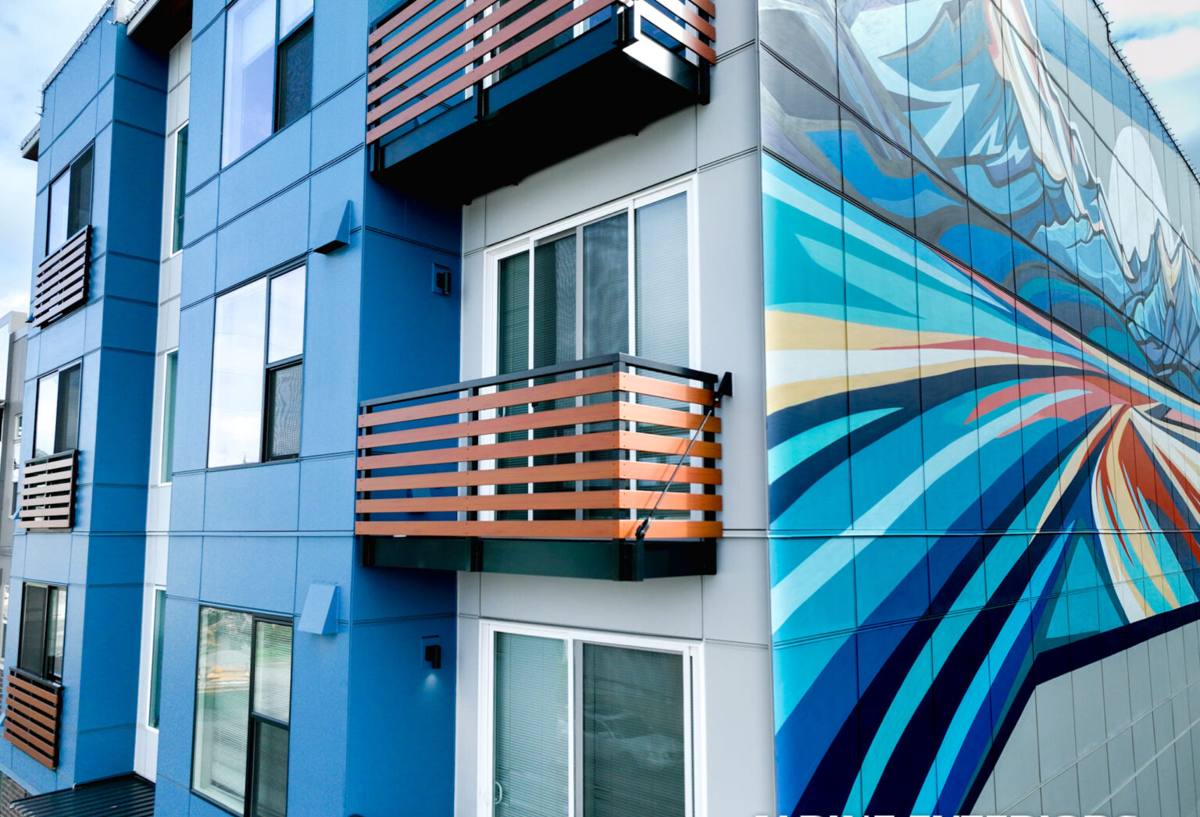
What Salt Air, Driving Rain, and Moss Season Do to Siding
Salt Air and Slow Corrosion
Airborne salt doesn't just affect homes with an unobstructed water view. It travels on prevailing wind and settles on siding, trim, and fasteners for miles inland, accelerating the breakdown of paint film, caulk, and any metal component that isn't rated for coastal exposure. Over years, that means chalking paint, pitted or rusting fasteners, and finish failure well ahead of a product's rated lifespan — especially on wood-based sidings that depend entirely on an intact paint film to keep moisture out.
Wind-Driven Rain
Rain that falls straight down is a minor concern for siding. Rain that's driven sideways by wind — which is routine in this part of Whatcom County during fall and winter storms — finds every gap in flashing, every under-caulked seam, and every lap joint that wasn't installed with the right clearance. Once water gets behind siding, it doesn't matter how good the face material is; the sheathing, framing, and insulation behind it start absorbing moisture that has nowhere to dry out.
Moss, Algae, and Prolonged Dampness
Long stretches of overcast, damp weather mean moss and algae get a real foothold on north-facing walls, under eaves, and anywhere siding stays shaded and wet. On porous or absorptive materials, that growth holds moisture against the surface for extended periods, which is exactly the condition that leads to rot, delamination, and coating breakdown. Pressure-washing it off every year or two treats the symptom, not the underlying vulnerability.
Why We Install Only James Hardie Fiber Cement
Blaine Siding Contractors installs one siding system: James Hardie fiber cement. We don't offer LP SmartSide, vinyl, Cemplank, Allura, primed spruce, or cedar as alternatives, and that's a deliberate standard, not a limitation in what we're capable of installing.
Fiber cement is non-combustible and dimensionally stable, meaning it doesn't swell, warp, or absorb water the way engineered wood or solid wood products can when moisture gets past the surface. Hardie's ColorPlus factory finish is baked on and warranted separately from field-applied paint, which matters directly in a salt-air environment where finish failure is usually the first sign of trouble. And Hardie manufactures its HZ5 product line specifically for climates like ours — colder, wetter conditions where a siding's moisture and freeze-thaw performance actually get tested every year, not just on paper.
None of that means other products are worthless everywhere. It means that for a Nooksack-area home taking on salt air, driving rain, and months of damp shade every year, we won't put something on the wall that we know is a worse bet for this specific climate — even if it's cheaper up front or easier to install quickly.
What a Correct Siding Replacement Actually Involves
Pulling off old siding and nailing up new siding is the easy part. A replacement that actually solves the problems this climate creates has to address what's underneath, not just what's visible. A correct job includes:
- Full tear-off and inspection of sheathing, framing, and any existing weather-resistive barrier for rot, soft spots, or prior water intrusion
- Repair or replacement of any damaged sheathing and framing before new material goes up — never siding over a compromised wall
- A continuous, properly lapped weather-resistive barrier installed shingle-style so water sheds outward, not into the wall
- Correctly integrated flashing at every window, door, deck ledger, and roof-to-wall intersection, since these are the highest-failure points in wind-driven rain
- Rainscreen or adequate drainage gap where conditions call for it, so incidental moisture behind the siding can actually dry out
- Manufacturer-spec fastening, clearances, and joint treatment — James Hardie publishes specific installation requirements, and shortcuts here are what void warranties and cause early failures
- Proper clearance between siding and grade, decks, patios, and roof lines to keep splash-back and standing water away from the bottom edge
Skip any of these steps and you can end up with new siding that looks right for a season or two while the same moisture problems that caused the original failure keep working behind it.
Our Siding Replacement Process
- On-site assessment. We look at your current siding's condition, check for moisture damage at trim, corners, and penetrations, and talk through what we're seeing before recommending a full replacement.
- Detailed, written estimate. You get a clear scope of work and pricing before anything is scheduled — no vague allowances or change orders sprung on you mid-project.
- Tear-off and wall inspection. Old siding comes off, and we inspect sheathing and framing before covering anything back up.
- Repair and moisture barrier installation. Any damaged materials get addressed, and a correctly lapped weather-resistive barrier goes on.
- Flashing and drainage detailing. Windows, doors, and every wall penetration get flashed to shed water outward.
- Hardie fiber cement installation. Installed to manufacturer spec for fastening, gapping, and finish, so the product performs and the warranty stays intact.
- Final walkthrough. We go over the finished work with you and make sure everything meets the scope we agreed on.
What Affects the Cost of a Nooksack Siding Replacement
Every home is different, but the same handful of factors drive most of the cost variation we see on jobs in this area.
| Factor | Why It Matters |
|---|---|
| Extent of hidden water damage | Rotted sheathing or framing found during tear-off adds repair scope before new siding can go on |
| Home size and wall complexity | More corners, gables, and trim detail mean more labor and material cutting |
| Siding profile and Hardie product line | Lap, shingle, and panel styles vary in material and install cost; HZ5 products are specified for our climate zone |
| Trim, fascia, and flashing scope | Full replacement often includes trim and flashing work, not just field siding |
| Access and site conditions | Decks, landscaping, multiple stories, and tight lot lines affect staging and labor time |
We won't quote a firm number without seeing the home, but we'll always explain what's driving the price so you're not guessing at where the money is going.
Signs Your Nooksack Home Needs Siding Replacement Now
Some warning signs are worth acting on before they turn into a bigger repair. Watch for:
- Soft, spongy, or visibly warped siding, especially near the bottom of walls or under windows
- Paint that's chalking, peeling, or failing faster than a normal repaint cycle would suggest
- Persistent moss or algae growth that comes back within months of cleaning
- Visible gaps, cracking, or separation at seams, corners, and trim joints
- Rising energy bills with no other explanation, which can point to compromised insulation behind failing siding
- Interior signs like musty smells, peeling interior paint, or staining on walls that share an exterior wall with damaged siding
Any one of these on its own might be minor. Several together, especially on a home more than fifteen or twenty years old, usually means the siding system as a whole is past the point where spot repairs make sense.
Why Hire a Crew That Already Works in Nooksack
Anyone can install siding on a sunny day using a manufacturer's basic instructions. Installing it correctly for a marine climate — with the right drainage plan, flashing details, and fastening for wind and moisture exposure this area actually sees — takes crews who've done it here repeatedly and have seen what goes wrong when it's done wrong. Blaine Siding Contractors is based locally in Blaine and works Whatcom County's coastal areas, including Nooksack, as a regular part of our work, not as occasional travel jobs. That means we know how this climate treats siding over years, not just at installation, and we build every job around that reality.
If your Nooksack-area home has siding that's showing its age, or you're planning ahead for a replacement, we're happy to take a look and give you an honest, no-pressure estimate — with a clear explanation of what your home actually needs and why. Use the form below to get started.