 Blaine Siding
 Windows Built for the Peace Arch Microclimate
Homes near the Peace Arch border crossing and Peace Arch State Park sit in one of the more exposed corners of Whatcom County. You're close enough to Semiahmoo Bay and the Strait of Georgia that salt-laden air is a daily fact of life, and the same marine exposure that makes this stretch of Blaine scenic also means wind-driven rain hits window assemblies at angles most installation instructions never anticipate. Add the long, gray moss season that runs from fall through spring, and you have a set of conditions that will find every weak point in a window's frame, seal, and flashing within a few winters.
Energy-efficient windows are marketed everywhere as a way to cut heating bills, and that's true. But in this specific area, the bigger issue is usually durability under moisture and salt exposure, not just the U-factor on the label. A window that's efficient on paper but poorly sealed or prone to trapping condensation will underperform here faster than it would twenty miles inland. This page is about what actually holds up for Peace Arch homes, and what we do differently when we install in this neighborhood specifically.
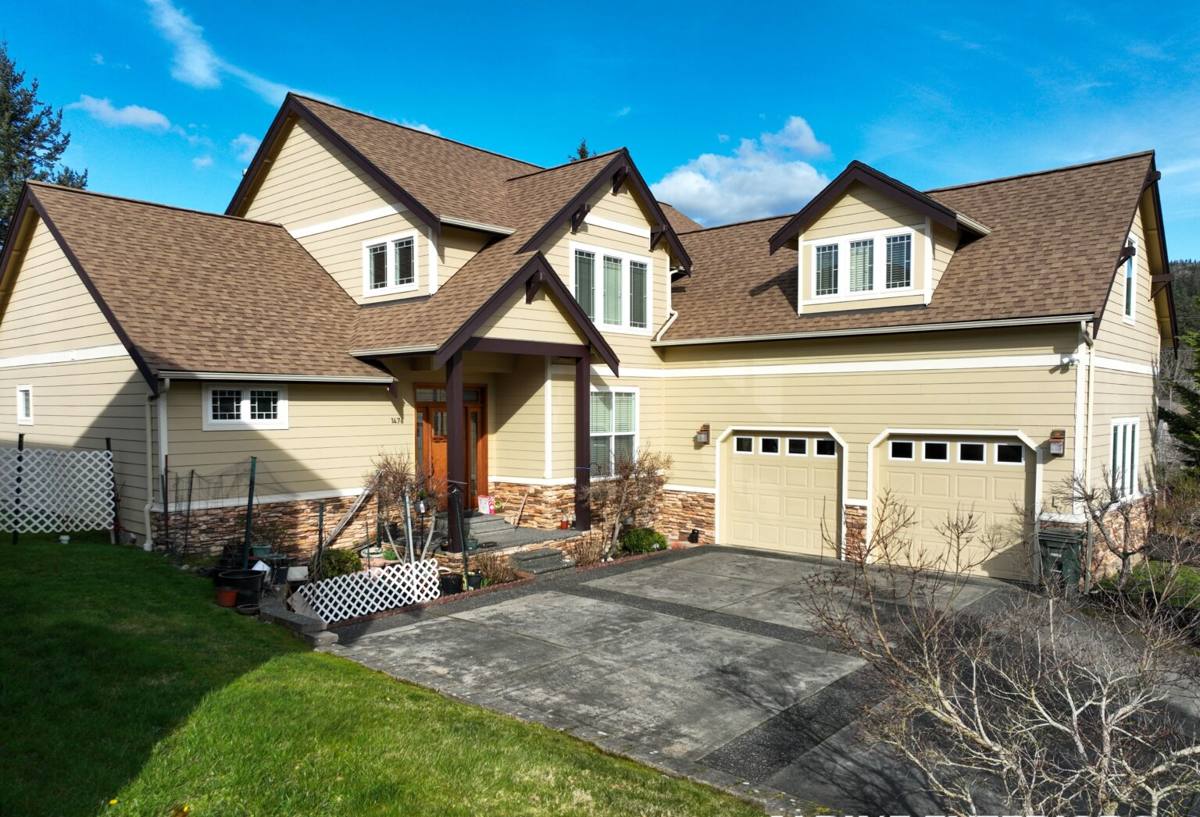
What Salt Air and Driving Rain Actually Do to Windows
Salt Exposure
Airborne salt is corrosive to unprotected metal hardware, fasteners, and some aluminum components. Over years, it can pit finishes, accelerate corrosion on lower-grade hinges and locks, and dull exterior cladding faster than in drier inland areas. This doesn't mean aluminum or metal-hardware windows are off the table — it means finish quality, hardware grade, and cladding choice matter more here than they would in a landlocked neighborhood.
Wind-Driven Rain
Rain that comes in sideways off the water tests a window's weatherstripping and flashing details in ways that vertical rain doesn't. A window that passes a basic water test in calm conditions can still leak under sustained wind pressure if the sill pan, flashing, and sealant weren't installed correctly. This is one of the most common sources of hidden water intrusion we find in older homes throughout this stretch of Blaine — not a failed window unit itself, but a flashing detail that was never done right the first time.
The Long Moss Season
Moss doesn't just grow on roofs. On window sills, tracks, and the tops of trim boards, it holds moisture against wood and paint for months at a time. On homes with wood-framed or wood-clad windows, that sustained dampness is what eventually leads to soft spots, peeling paint, and rot at the sill — usually starting small and going unnoticed until a full sash needs rebuilding.
Signs Your Windows Are Losing the Fight
- Condensation forming between panes (a sign the seal on a double- or triple-pane unit has failed)
- Drafts you can feel near the frame, especially during wind events off the water
- Soft, spongy, or discolored wood at the sill or bottom corners of the frame
- Difficulty opening or closing sashes that used to move freely
- Visible moss or persistent green staining on sills, tracks, or exterior trim
- A noticeable jump in heating costs compared to similar homes nearby
- Musty smell or visible mold near the window after wet weeks
Any one of these on its own isn't necessarily an emergency. Several at once, especially on the weather-facing side of the house, usually means it's time for a real assessment rather than another round of caulk.
What "Energy-Efficient" Should Mean in This Climate
Efficiency ratings are useful, but the numbers that matter most for a Peace Arch home aren't the same ones that matter for a house in a dry, sunny climate. Here's what we actually weigh:
U-Factor Over Solar Heat Gain
U-factor measures how well a window resists heat loss — lower is better for our cool, wet winters. In much of the country, solar heat gain coefficient (SHGC) gets equal billing because of intense summer sun. In Whatcom County, keeping heat in matters more than keeping solar heat out, so U-factor should carry more weight in your decision than it would in a hot, sunny region.
Multi-Point Locking Hardware
Hardware that compresses the sash tightly against the frame at multiple points does more for both energy performance and weather resistance than an upgraded glass package alone. Under wind-driven rain, a tight compression seal is often the difference between a dry sill and a wet one.
Warm-Edge Spacers and Gas Fills
Warm-edge spacer technology reduces condensation risk at the edge of the glass, which matters in a climate where indoor-outdoor temperature swings combined with humidity are a near-constant condition. Argon or krypton gas fills between panes add insulation value without adding bulk.
Frame Material and Finish Quality
This is where salt air exposure really comes into play — covered in detail below.
Comparing Frame Materials for This Location
| Frame Material | Salt Air Performance | Moisture/Rot Risk | Maintenance |
|---|---|---|---|
| Vinyl | Good — won't corrode | Low, but seams need quality welding | Low; occasional cleaning |
| Fiberglass | Very good — highly stable, resists pitting | Very low | Low |
| Wood (unclad) | Poor without diligent upkeep | High in this moss/rain climate | High; regular repainting and sealing |
| Wood, clad exterior | Good on the clad side, wood interior still needs care | Moderate; depends on cladding seal quality | Moderate |
| Aluminum (standard) | Fair; prone to corrosion and thermal transfer | Low rot risk, but poor insulator | Moderate |
We don't push one material on every homeowner — it depends on your home's style, budget, and how much upkeep you want to take on. But we do steer clients away from unclad wood on the weather-facing sides of homes in this specific area, simply because the moss season and rain exposure here demand a repainting and resealing schedule that most owners don't want to keep up with. That's a maintenance-burden conversation, not a knock on wood as a material — it performs fine in drier climates or on protected elevations.
How We Approach an Installation Here
1. On-Site Assessment
Before quoting anything, we look at the specific wall assembly, existing flashing condition, and which elevations take the worst weather. A window facing the water or prevailing wind gets treated differently than one on a sheltered side of the house.
2. Removal Without Hidden Damage
Old units come out carefully so we can inspect the rough opening for rot, prior water intrusion, or failed flashing before anything new goes in. This step is where we catch problems that a quick measure-and-quote process would miss entirely.
3. Sill Pan and Flashing First
A sloped sill pan and properly layered flashing — installed so each layer sheds water over the one below it — is the single most important step for keeping wind-driven rain out over the long run. This is also the step most likely to be rushed or skipped by crews unfamiliar with coastal exposure, and it's the one we won't shortcut.
4. Correct Sealant and Insulation
Gaps around the frame get insulated, not just caulked shut, so you get both an air seal and a moisture-tolerant assembly. Sealants are chosen for adhesion and flexibility in a marine, temperature-swinging environment.
5. Exterior Trim and Finish Detailing
Trim gets sealed and finished in a way that sheds water away from seams, with attention to any spot where moss and standing moisture tend to collect.
6. Final Function and Weather Check
Every unit gets operated, checked for square, and inspected for consistent compression across the whole sash before we consider the job done.
Cost Factors to Understand
| Factor | Why It Affects Price |
|---|---|
| Frame material | Fiberglass and higher-grade vinyl cost more upfront than basic vinyl or standard aluminum |
| Number of window openings | Per-unit costs typically drop somewhat on larger whole-house projects |
| Condition of the rough opening | Rot repair or re-flashing adds labor beyond a straightforward swap |
| Glazing package | Triple-pane, upgraded gas fills, and warm-edge spacers add cost but improve performance in our climate |
| Elevation exposure | Weather-facing sides may need extra flashing and sealing attention |
| Custom sizing or shapes | Non-standard openings cost more than stock sizes |
We give straightforward, itemized quotes so you can see where the money goes — there's no reason a homeowner should have to guess at what's driving the price.
Questions Worth Asking Any Contractor Before You Hire
- Do you install a sloped sill pan and layered flashing on every job, or only when asked?
- Have you worked on homes specifically in the Peace Arch / Blaine area, and do you understand the wind and salt exposure here?
- What warranty covers labor and installation, separate from the manufacturer's product warranty?
- Will you inspect the rough opening for existing rot or water damage before installing new units?
- Can you explain, in plain terms, why you're recommending one frame material over another for my specific elevation?
- Do you carry proper licensing and insurance for exterior work in Washington State?
A contractor who answers these clearly and specifically, rather than with generic reassurances, is usually one who's actually done the work in conditions like these before.
Why Local Experience in This Area Matters
Blaine's proximity to the water, the border, and Whatcom County's broader marine climate means the right approach here isn't identical to what works in Bellingham thirty minutes south, let alone further inland. Crews who install windows day-to-day in drier or more sheltered parts of the county can still do fine work, but they may not default to the extra flashing attention, hardware grade, and material choices that pay off specifically in a wind- and salt-exposed neighborhood like Peace Arch. Experience here isn't about a different skill set — it's about knowing which corners never to cut, because this particular stretch of coastline will expose them within a season or two.
Keeping New Windows Performing Long-Term
Even a well-installed, high-quality window benefits from basic seasonal attention in this climate:
- Clear moss and debris from sills and tracks before it holds moisture through the winter
- Rinse salt residue off exterior frames periodically, especially on elevations facing the water
- Check weatherstripping annually for compression loss or hardening
- Watch for condensation between panes as an early sign of seal failure, and address it before it spreads to surrounding trim
- Keep exterior caulking and paint (on any painted trim) touched up rather than waiting for visible failure
None of this is heavy maintenance — it's the kind of seasonal check that takes an hour and saves a much bigger repair down the line.
Get a Straightforward Estimate
If your windows in the Peace Arch area are drafty, fogging between panes, or showing wear from the salt air and rain this part of Blaine gets more than its share of, we're happy to take a look and give you an honest assessment — no pressure, no upsell. Use the form below to request a free estimate.