 Blaine Siding
 Sandy Point Decks Take a Different Kind of Beating
Sandy Point sits right up against the Strait of Georgia, and that waterfront location is exactly why decks out here age differently than decks a few miles inland in Blaine or elsewhere in Whatcom County. Salt-laden air corrodes fasteners and hardware faster than plain rain ever would. Wind-driven rain off the water doesn't just fall straight down onto a deck surface — it gets pushed sideways and up under rail caps, into ledger connections, and into any seam that isn't properly flashed. Add in a moss season that can stretch from fall through spring in this part of Washington, and you've got a structure that's fighting moisture and organic growth for a good chunk of the year.
None of that means a Sandy Point deck is doomed to rot. It means the repair work has to account for what's actually attacking the structure, not just patch the boards that look bad. A deck repaired the same way you'd repair one in a dry inland climate is a deck you'll be repairing again in a few years.
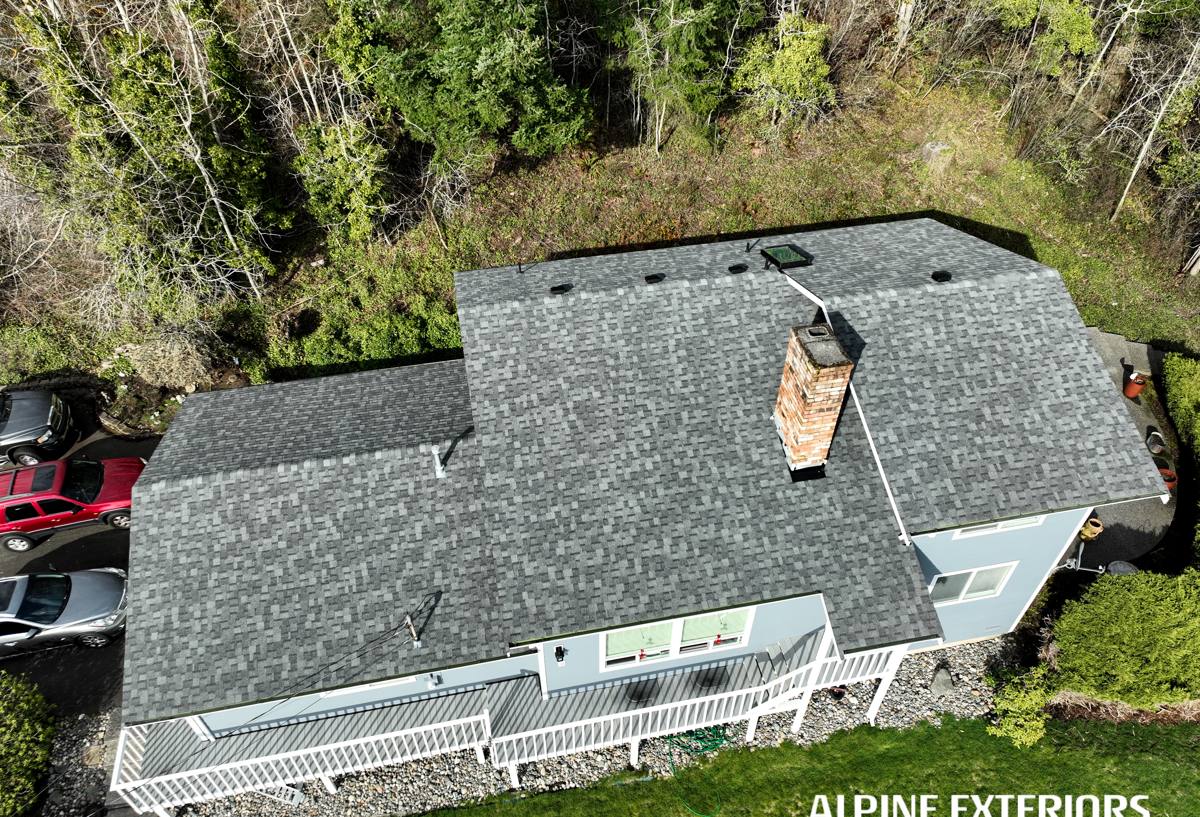
What Salt Air, Rain, and Moss Actually Do to a Deck
Salt Air and Hardware
Fasteners, joist hangers, and structural screws that aren't rated for coastal exposure corrode from the inside out. The failure is often invisible until a board feels spongy or a railing wiggles — by then the hardware underneath may already be compromised. This is one of the most common issues we find on repair calls near the water: decking that looks fine on top while the connectors holding it together are rusted through.
Driving Rain and Water Intrusion
Horizontal, wind-pushed rain finds its way into places vertical rain never would — behind rim joists, under improperly lapped flashing, and into ledger board connections where the deck meets the house. Ledger rot is one of the more serious problems we look for, because that connection carries a significant share of the deck's structural load.
Moss, Algae, and Trapped Moisture
A long moss season means organic growth gets a real foothold on decking, especially on north-facing sections or areas shaded by the house or trees. Moss holds moisture against the wood surface far longer than open air would, which accelerates rot underneath even when the top of the board still looks mostly sound. Left alone, it also makes the surface slick — a real slip hazard on stairs and landings.
Signs Your Sandy Point Deck Needs Repair, Not Just Cleaning
- Boards that feel soft, spongy, or flex noticeably when you walk on them
- Railings or posts that move or wobble when pushed
- Visible rust streaks around fasteners or joist hangers
- Gaps opening up where the deck meets the house (ledger separation)
- Persistent moss or dark staining that comes back within weeks of cleaning
- Stair stringers that feel uneven or "give" underfoot
- Cracked, splintering, or checked boards, especially on south- and west-facing sections that see the most sun-and-rain cycling
- Visible gaps or rust at the ledger-to-house flashing
Any one of these on its own might be minor. Several together usually mean the deck needs a real inspection before it's used hard through another wet season.
What a Correct Deck Repair Actually Involves
A lot of "deck repair" in this region amounts to replacing a few obviously bad boards and calling it done. That's fine for cosmetic damage, but it doesn't address the structure underneath, and on a waterfront property that structure is under more stress than most inland decks. A repair we stand behind covers:
Structural Inspection First
Before any boards come off, we check the ledger connection, joists, beams, posts, and footings. This is where the real problems usually hide — a deck can have brand-new-looking decking on top of joists that are quietly failing underneath.
Ledger and Flashing Repair
If the ledger board or its flashing has failed, that gets corrected properly, not just re-caulked. Correct flashing detail is what keeps driving rain from working its way behind the ledger again.
Hardware Upgrade to Coastal-Rated Fasteners
Where corroded hardware is found, we replace it with fasteners and connectors rated for coastal or high-moisture exposure, not standard-grade hardware that will corrode again in the same salt air within a few seasons.
Framing and Joist Repair
Any joists, beams, or posts showing rot or insect damage get sistered, reinforced, or replaced — not just covered over with new decking.
Decking, Railing, and Stair Repair
Individual boards, railing sections, balusters, and stair components are replaced to match existing material as closely as possible, and reattached with the same coastal-rated hardware used elsewhere in the repair.
Repair or Replace? What Actually Decides It
Homeowners often ask whether it's worth repairing an older deck versus starting over. The honest answer depends on where the damage is, not how old the deck looks.
| Factor | Leans Toward Repair | Leans Toward Replacement |
|---|---|---|
| Ledger board condition | Solid, dry, properly flashed | Rotted or separated from house framing |
| Framing (joists/beams) | Sound, isolated soft spots | Widespread rot or undersized for current use |
| Footings/posts | Stable, no settling | Heaving, rotted, or undersized footings |
| Decking surface | Scattered bad boards | Most boards cracked, cupped, or soft |
| Age of structure | Under 15–20 years, built to code | Older, unpermitted, or built before current wind/moisture standards |
| Hardware | Recently upgraded or still sound | Widespread corrosion throughout |
Most decks we look at in Sandy Point fall somewhere in the middle — solid framing with isolated problem areas at the ledger, a stair section, or a shaded corner where moss has done the most damage. That's the sweet spot for a repair that actually extends the deck's life instead of just deferring the same failure a few more years.
Our Deck Repair Process
- On-site inspection. We check the deck from the ground up — footings, framing, ledger, hardware, and surface — and tell you honestly what's structural and what's cosmetic.
- Written scope and estimate. You get a clear breakdown of what needs to be repaired, what materials we'll use, and why, before any work starts.
- Demo of failed sections only. We remove what actually needs replacing rather than tearing out sound material.
- Structural correction. Ledger, framing, and hardware issues are addressed first, since everything else depends on a sound structure underneath.
- Decking, rail, and stair work. New material is matched and installed with coastal-rated fasteners.
- Final walkthrough. We check the repair with you and go over any maintenance recommendations specific to your deck's exposure.
Materials That Hold Up to This Exposure
What we recommend for a repair depends on what's already there and how exposed the deck is to wind and salt spray. Both wood and composite decking can perform well here — the difference is what each one asks of you afterward.
| Material | Coastal Performance | Maintenance Reality |
|---|---|---|
| Cedar / treated wood | Good if properly finished and maintained; needs consistent upkeep in salt air | Requires regular sealing/staining; more vulnerable to moss if neglected |
| Composite decking | Resists rot and moisture absorption well; doesn't feed moss the way bare wood can | Lower maintenance, but surface can still need regular cleaning to prevent moss/algae buildup |
| Fasteners/hardware | Coastal-rated stainless or coated connectors hold up far longer than standard hardware | One-time upgrade cost that prevents repeat hardware failures |
We'll walk you through the honest trade-offs for your specific deck rather than pushing one material as a blanket answer — the right call depends on your budget, how exposed the deck is, and how much upkeep you want to take on.
Moss and Long-Term Deck Care in Sandy Point
Repair work solves the current problem, but a deck out here needs some ongoing attention to avoid ending up back in the same spot in a few years. A few habits make a real difference:
- Clean moss and algae off the surface and stairs before it gets a chance to establish, especially on shaded or north-facing sections
- Keep gutters and downspouts clear so roof runoff isn't dumping extra water directly onto or near the deck
- Check railings and stair connections for movement once or twice a year
- Have the ledger and flashing checked periodically, since that's the connection most exposed to driving rain
- Reseal or refinish wood decking on the schedule the finish product calls for — skipping a cycle in this climate compounds fast
None of this requires a contractor visit every year, but a deck that gets zero attention between repairs will need another repair sooner than it should.
Permits and Code Considerations
Structural deck repairs — particularly anything touching the ledger connection, framing, footings, or guardrails — can fall under Whatcom County or local building permit requirements depending on the scope of work. We'll tell you upfront if your repair is likely to need a permit and handle that conversation as part of the estimate, rather than leaving you to figure it out after the fact. Cosmetic work like board replacement or refinishing typically doesn't trigger the same requirements, but guardrail and stair work often does, since those are safety-code items.
Why It Matters That We Already Work in Sandy Point
A crew that only occasionally works this close to the water can miss the details that matter most here — using standard hardware instead of coastal-rated fasteners, under-flashing a ledger repair, or not recognizing how much moss damage is hiding under a surface that looks fine. Working regularly in Sandy Point and the surrounding Blaine area means we know how the salt air, wind-driven rain, and moss season actually play out on decks in this specific location, not just in Whatcom County generally. That local pattern recognition is what keeps a repair from becoming a recurring expense.
Get an Honest Look at Your Deck
If your deck has soft spots, wobbly railings, recurring moss, or you just want a straight answer on whether it needs repair or replacement, we're glad to come take a look. The estimate is free, there's no pressure, and you'll get a clear explanation of what we find and why — use the form below to get started.