 Blaine Siding
 Semiahmoo's Siding Problem Isn't Like Inland Blaine's
Semiahmoo sits right up against the water, and that changes what siding has to survive. Homes a few miles inland in Blaine deal with the same Whatcom County rain totals, but Semiahmoo adds constant salt-laden air moving off Semiahmoo Bay and the Strait of Georgia. Salt air accelerates corrosion on fasteners and trim metal, holds moisture against exterior walls longer than dry air does, and speeds up the breakdown of finishes that aren't built to handle it. Add in the driving rain that comes sideways off the water during winter storms, plus a moss and algae season that runs long because homes here rarely get a hard, sustained dry stretch, and you have a siding environment that's noticeably harder on a house than the regional average.
This is the page for homeowners in Semiahmoo who want to understand what their siding is actually up against, what a correct James Hardie install looks like for this specific setting, and why we only install Hardie on every home we work on, including this one.
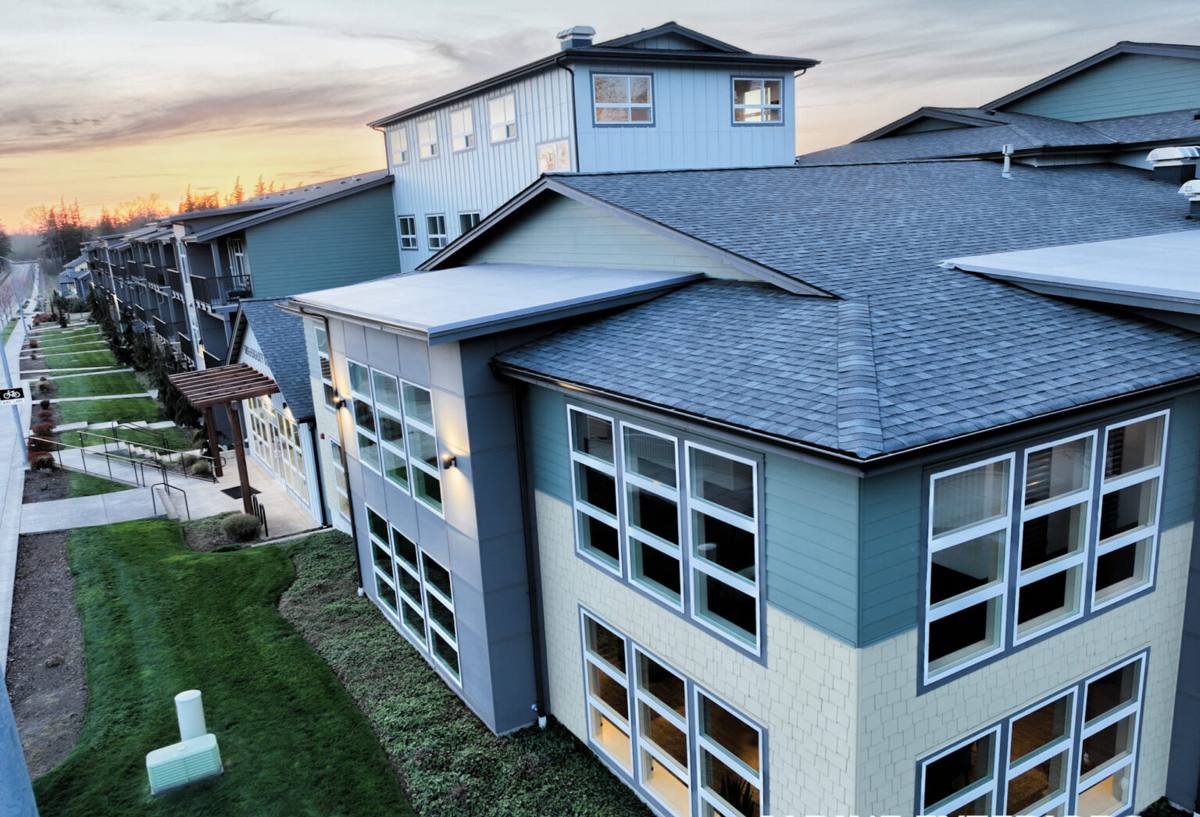
What Salt Air, Driving Rain, and Moss Actually Do to Siding
Salt Air
Airborne salt is corrosive to exposed metal fasteners, flashing, and trim connectors. On siding materials that rely on paint film integrity to stay protected, salt exposure combined with UV and moisture cycling wears that film down faster than it would inland. Once the protective layer is compromised, the underlying material is exposed to the elements directly, and that's when problems accelerate.
Driving Rain
Wind-driven rain doesn't just wet a wall surface, it forces water sideways and upward under laps, around penetrations, and into any gap in the water-resistive barrier. A siding system's performance in this kind of exposure depends less on the material itself and more on how it was flashed, lapped, and fastened. Bad installation shows up here first, regardless of what product is on the wall.
Moss and Algae
Marine air stays humid longer through the year, and north- and west-facing walls in Semiahmoo that don't get much direct sun can stay damp for extended stretches. That's the exact condition moss and algae need to establish. Over time, organic growth holds moisture against the siding surface, which is a slow but real threat to any material that isn't dimensionally stable or that absorbs water into its core.
Why We Standardized on James Hardie Fiber Cement
We don't install vinyl, LP SmartSide, primed spruce, cedar, or other fiber cement brands. That's not a marketing position, it's a standard we set because of what we've seen these conditions do to siding over the years. James Hardie fiber cement is non-combustible, dimensionally stable, and engineered specifically for the freeze-thaw, wet-dry cycling that defines Pacific Northwest coastal climates. It doesn't absorb and swell the way wood-based products can, it holds paint and factory finish longer under UV and salt exposure, and it carries a strong, transferable manufacturer warranty when installed to Hardie's specifications.
Every other product we get asked about is a reasonable material in the right setting. In Semiahmoo's setting, the combination of salt air, sustained moisture, and driving rain is exactly the stress test that separates a good siding decision from one a homeowner regrets in ten years.
James Hardie Product Lines That Make Sense Here
| Product | Best Use on a Semiahmoo Home | Why It Fits |
|---|---|---|
| HardiePlank lap siding, HZ10 formulation | Primary wall cladding on most homes | Engineered for the wetter, harsher climate zone that includes Western Washington coastal areas |
| HardiePanel vertical siding | Accent walls, gables, modern-style homes | Fewer horizontal laps means fewer water entry points on high-exposure elevations |
| HardieTrim boards | Corners, window and door casing, fascia | Resists the moisture wicking that rots wood trim in marine air |
| HardieShingle siding | Accent gables, dormers, coastal-style detailing | Gives a shingle look without the maintenance burden of cedar shingles in salt air |
ColorPlus factory-applied finish is worth calling out specifically for a home this close to the water. It's baked on and cured under controlled conditions, which gives it better UV and fade resistance than a field-applied paint job, and it comes backed by its own finish warranty separate from the substrate warranty.
What a Correct Install Looks Like on a Water-Exposed Home
The material is only half the equation. On a house exposed to Semiahmoo's wind-driven rain, installation details determine whether that Hardie board performs for thirty-plus years or fails early because water got behind it. A correct job includes:
- A continuous, correctly lapped water-resistive barrier behind the siding, with all seams taped per manufacturer spec
- Rainscreen or drainage gap detailing on elevations with heavy wind-driven rain exposure, so any moisture that gets past the cladding can drain and dry
- Correct fastener type, length, and spacing, driven flush and not overdriven, using fasteners rated for coastal/corrosive exposure
- Proper minimum clearance between the bottom of the siding and grade, decks, patios, and roof lines to prevent wicking and splash-back
- Flashing at every window, door, and penetration, integrated with the water-resistive barrier rather than just caulked over
- Correct lap and joint treatment at butt joints and inside/outside corners, sealed per Hardie's published details
- Factory-cut and field-cut edges sealed or primed where Hardie specifies it, to protect the substrate at cut points
Every one of these steps matters more in Semiahmoo than in a drier, inland location, because the margin for error shrinks when the wall assembly is dealing with near-constant moisture load and salt exposure. A siding job that would hold up fine in a low-exposure setting can fail in a handful of years here if these details are skipped.
Our Process for Semiahmoo Homes
1. On-Site Assessment
We walk the exterior and look at exposure by elevation. The side of a Semiahmoo home facing the water and prevailing weather needs different detailing than a sheltered side, and we plan the job around that instead of treating every wall the same.
2. Removal and Substrate Check
Old siding comes off and we check the sheathing and framing underneath for moisture damage before anything new goes up. This is often where hidden problems from a prior install surface, especially on older homes where the water-resistive barrier wasn't detailed correctly the first time.
3. Water Management Layer
We install the water-resistive barrier and drainage plane correctly the first time, since this layer does more long-term work than the siding itself in a high-exposure marine setting.
4. Hardie Installation to Spec
Boards, panels, and trim go up following James Hardie's published fastening, clearance, and joint-treatment requirements, not shortcuts. This is also what keeps the manufacturer's warranty intact.
5. Final Walkthrough
We review clearances, caulking, and finish quality with the homeowner before calling the job done.
What Homeowners Should Check Before Hiring Any Crew for This Job
- Do they install James Hardie specifically, or is it one of several unrelated products they'll sell you depending on what's cheapest that month
- Can they explain rainscreen/drainage detailing without being prompted, or do they treat it as optional
- Do they carry current James Hardie installer familiarity and warranty registration knowledge
- Will they walk your specific elevations and talk about exposure differences, or quote a flat per-square-foot number sight unseen
- Do they have a plan for existing moisture or rot damage discovered once old siding comes off, rather than being surprised by it
A crew that works Semiahmoo regularly already knows which elevations take the worst weather, how local moss growth patterns affect maintenance planning, and what corrosion-resistant fastener specs actually hold up this close to salt water. That local repetition matters more here than in a lot of other siding markets.
Maintenance Realities for a Semiahmoo Home
Even with the right material and a correct install, a home this close to the water needs a bit more upkeep attention than one further inland. Expect to rinse salt residue and organic buildup off the siding periodically, keep gutters and drainage clear so water isn't sitting against the wall assembly, and do a visual check after major winter storms for any caulking or trim issues at penetrations. None of this is heavy maintenance, but it's more than a homeowner in a dry inland climate needs to think about, and it's worth planning for rather than being surprised by.
Cost Factors Specific to This Kind of Job
| Factor | Why It Affects Semiahmoo Jobs |
|---|---|
| Existing substrate condition | Water exposure over time increases the odds of sheathing repair being needed once old siding is removed |
| Elevation-specific detailing | Water-facing walls may need additional drainage or flashing work beyond standard spec |
| Trim and corner complexity | Homes with more window and door penetrations require more flashing and sealing labor |
| Access and site conditions | Waterfront lots can have grading, retaining walls, or limited staging area that affects labor time |
| Product line selection | HZ10 lap siding, panel siding, and shingle accents carry different material and labor costs |
Get a Straight Answer for Your Home
Every Semiahmoo property has its own exposure pattern based on which direction it faces and how sheltered or exposed the lot is. If you'd like an honest look at what your siding needs and a straightforward estimate with no pressure attached, use the form below to get started.