 Blaine Siding
 Storm Damage Roof Repair for the Sumas Area
Homes out toward Sumas deal with a different mix of weather stress than a lot of people expect from "the Pacific Northwest." You're not right on the water, but the same marine-driven weather systems that soak Blaine and the rest of Whatcom County still push through here — heavy wind-driven rain in the fall and winter, sudden gusty windstorms off the passes, and a moss season that runs longer than most homeowners realize. When a storm does damage to a roof in this area, it's rarely one clean, obvious hole. It's usually a combination of lifted shingles, compromised flashing, and moisture that's already started working its way into the decking before anyone notices a stain on the ceiling.
This page covers what storm damage roof repair actually involves for homes in and around Sumas, what a correct repair looks like, and why it matters to work with a crew that already knows this part of Whatcom County rather than a general contractor passing through after a bad storm.
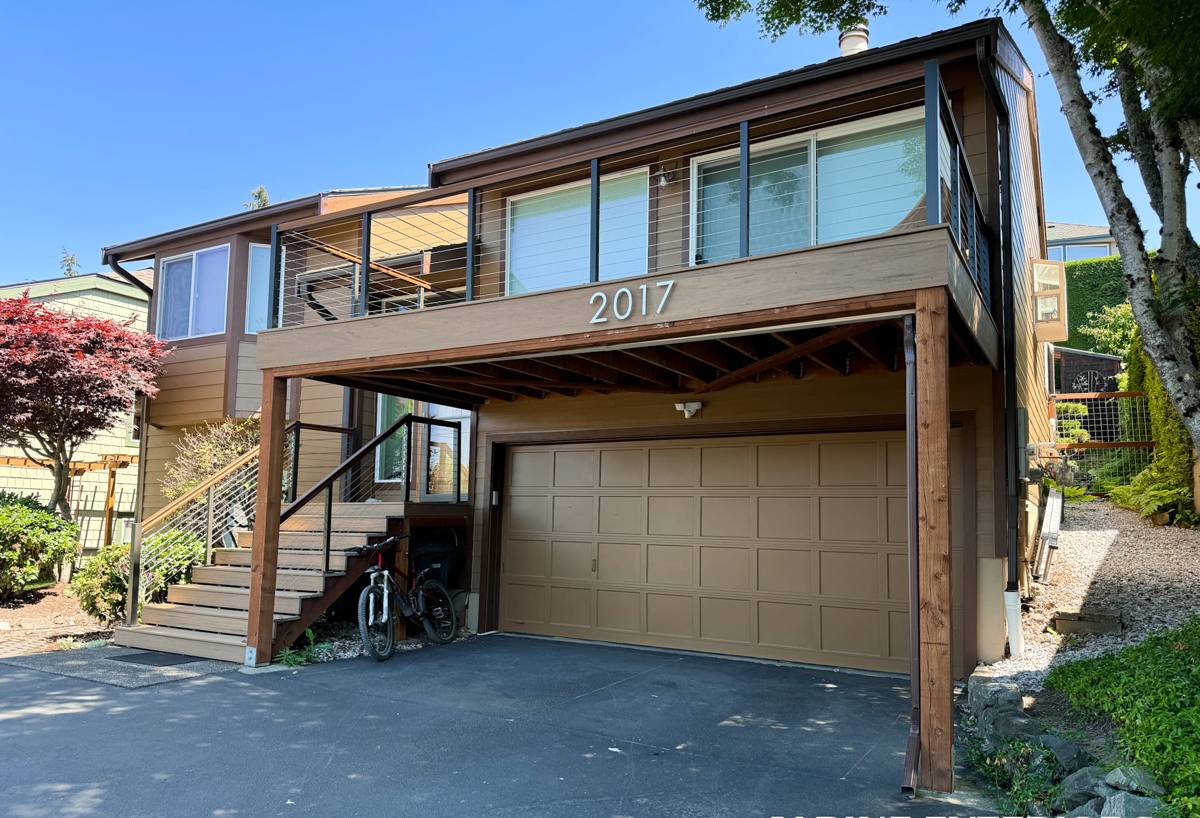
What Storm Damage Actually Looks Like on a Roof Here
Storm damage isn't always a dramatic event. In our climate, it tends to show up in a few recognizable patterns:
- Wind-lifted or creased shingles — gusts get under a shingle tab, break the seal, and the shingle either tears loose or gets creased so it no longer lays flat.
- Flashing separation — around chimneys, skylights, and roof-wall intersections, sustained wind and rain can work flashing loose over time, and a bad storm is often what finally opens the gap enough to leak.
- Debris impact — falling branches or wind-thrown debris from nearby trees can crack shingles, dent metal roofing, or punch through in isolated spots.
- Wind-driven water intrusion — rain pushed sideways under eaves, into vents, or through gaps that wouldn't leak in a normal vertical rain.
- Moss and organic buildup damage — a storm can knock loose moss and debris that's been quietly holding moisture against the roof surface for months, and that's often when the underlying damage becomes visible.
The tricky part is that the visible damage — a missing shingle, a stain on a ceiling — is frequently smaller than the actual problem underneath. Water that gets under a roofing system doesn't always drip straight down; it can travel along the decking or framing before it shows itself inside the house.
Why Whatcom County's Climate Makes This Worse
Salt-tinged marine air, long stretches of driving rain, and a moss season that can run most of the year here all work against a roof in slightly different ways. Salt-laden air accelerates corrosion on exposed metal fasteners, flashing, and vents. Driving rain finds every gap in a seal or lap that would stay dry in calmer weather. And moss doesn't just look bad — it holds moisture against the roofing surface and, over time, lifts shingle edges and breaks down the granule surface that protects the shingle from UV and weather.
Put those three together with a storm event, and you get a roof that was already quietly weakened before the wind ever picked up. That's part of why a storm damage repair out here often turns up more than the storm alone caused — and why an honest inspection matters more than a quick patch.
The Moss Season Factor
In this part of Whatcom County, moss growth isn't seasonal in the way people from drier climates expect — it's closer to a near-year-round condition on north-facing slopes and shaded roof sections. A storm repair that ignores existing moss and debris buildup is a short-term fix. Any proper storm repair should include clearing moss and organic debris from the repair area so the new material isn't sealed down against the same moisture problem that contributed to the damage.
What a Correct Storm Damage Repair Involves
A repair done right isn't just swapping out the shingles that are obviously missing. It follows a sequence:
- Full roof assessment, not just the damaged section — storms rarely damage only one spot, and wind patterns often lift or stress shingles nearby that haven't failed yet.
- Decking inspection at the repair area — if water got underneath, the plywood or OSB decking needs to be checked for soft spots or rot before anything new goes down.
- Underlayment repair or replacement in the affected section, matched to what's already on the roof where possible.
- Flashing check and resealing at any penetrations, valleys, or wall intersections near the damage.
- Matching shingles or roofing material as closely as possible to the existing roof, understanding that some color variation is normal with aged roofing.
- Moss and debris clearing around the repair area so the fix isn't undermined by the same conditions that contributed to the original problem.
- Final water test or close visual check of seams, laps, and fastening before calling the job done.
Skipping the decking inspection is one of the most common shortcuts in rushed storm repair work — a shingle swap looks complete from the ground, but if the decking underneath stayed wet or soft, the repair won't hold.
Repair or Replace? How We Make That Call
Not every storm-damaged roof needs a full replacement, and not every "quick patch" candidate should stay a patch. The honest answer depends on a few factors:
| Factor | Leans Toward Repair | Leans Toward Replacement |
|---|---|---|
| Roof age | Under 10-12 years, or recently replaced | Near or past expected lifespan for the material |
| Extent of damage | Isolated to one section or a handful of shingles | Spread across multiple slopes or repeated storm events |
| Decking condition | Solid, dry decking under the damaged area | Soft, stained, or rotted decking found on inspection |
| Prior moss/moisture history | Minor, surface-level moss growth | Long-term moss buildup with visible granule loss or organic staining |
| Material availability | Matching shingles or panels still obtainable | Discontinued product with no reasonable match |
We walk homeowners through these factors directly rather than defaulting to "replace everything." A well-executed repair on a sound roof can add years of service life at a fraction of replacement cost — but we won't recommend patching a roof that's already failing structurally just because a patch is cheaper today.
Materials: What We Use and Why
For storm repairs, matching the existing roofing system matters more than picking a "better" product that doesn't belong on that roof. That said, a few material decisions come up regularly in this area:
- Underlayment — where we have flexibility, we favor synthetic underlayment over older felt products in repair areas. Synthetic underlayment handles the extended wet exposure typical of a Whatcom County repair timeline better and resists tearing during installation.
- Flashing material — given the salt content in coastal-influenced air, we pay close attention to fastener and flashing material choices near roof penetrations, since lower-grade metals corrode faster here than in drier inland climates.
- Shingle matching — we're upfront that exact color matching on an older roof is often not possible due to natural fading. We aim for the closest reasonable match rather than promising a seamless blend.
We won't push a premium product swap on a repair job just to upsell the work. If a like-for-like repair with quality materials solves the problem, that's what we recommend.
Why a Crew That Already Works the Sumas Area Matters
After a storm rolls through Whatcom County, homeowners sometimes end up choosing between waiting on a local crew or hiring whoever shows up first — including out-of-area storm-chasing outfits that follow bad weather from region to region. There are real, practical reasons to stick with a crew that already works this area:
- Familiarity with local wind and rain exposure patterns — knowing which roof orientations and slopes in this area tend to take the worst of a given storm helps target the inspection, not just the obviously damaged spot.
- Accountability after the job — a local crew is still here next month and next year if something needs a follow-up look, rather than having moved on to the next storm region.
- Familiarity with local permitting and code requirements — Whatcom County has its own permitting expectations for roofing work, and knowing them up front avoids delays.
- Realistic scheduling — a local crew knows how busy the area gets after a regional storm event and can give an honest timeline instead of an inflated one.
What a Proper Storm Damage Assessment Should Include
If you're getting a roof looked at after a storm — whether for insurance purposes or just your own peace of mind — a thorough assessment should cover:
- Ground-level and roof-level visual inspection of all slopes, not just the reported damage area
- Interior check for water staining, especially in attic spaces near the affected section
- Photo documentation of damage before any repair work begins
- Check of gutters and downspouts for storm debris or damage that affects water flow off the roof
- Inspection of flashing at chimneys, vents, and valleys near the damaged area
- Written summary of findings and recommended repair scope, explained in plain language
This kind of documentation matters if you're working with an insurance claim, but it's just as valuable for your own records even if you're paying out of pocket — it gives you a clear picture of what was actually wrong and what was done about it.
After the Repair: Keeping Storm Damage From Coming Back
A repair is only as good as the maintenance that follows it, especially in a climate where moss and moisture pressure never really stop. A few habits make a real difference for homes in this area:
- Clear moss and debris buildup on a regular schedule, particularly on shaded or north-facing slopes
- Keep gutters clear so wind-driven rain has somewhere to go instead of backing up under roof edges
- Trim back tree limbs that overhang the roof, since they're a repeat source of both debris impact and shade that encourages moss
- Have the roof looked at after any significant windstorm, even if nothing looks obviously wrong from the ground
None of this prevents every storm-related issue, but it meaningfully reduces how often you're dealing with repairs and how severe those repairs turn out to be when they are needed.
Get an Honest Look at Your Roof
If a recent storm has left you with missing shingles, a leak, or just a nagging feeling that something's not right up there, it's worth getting a straightforward assessment before the next round of Whatcom County weather moves through. We'll tell you plainly what we find, what needs fixing now, and what can wait — no pressure, no upsell. Use the form below to request a free estimate for your home in the Sumas area.