 Blaine Siding
 Deck Repair Built for Blaine Harbor's Marine Climate
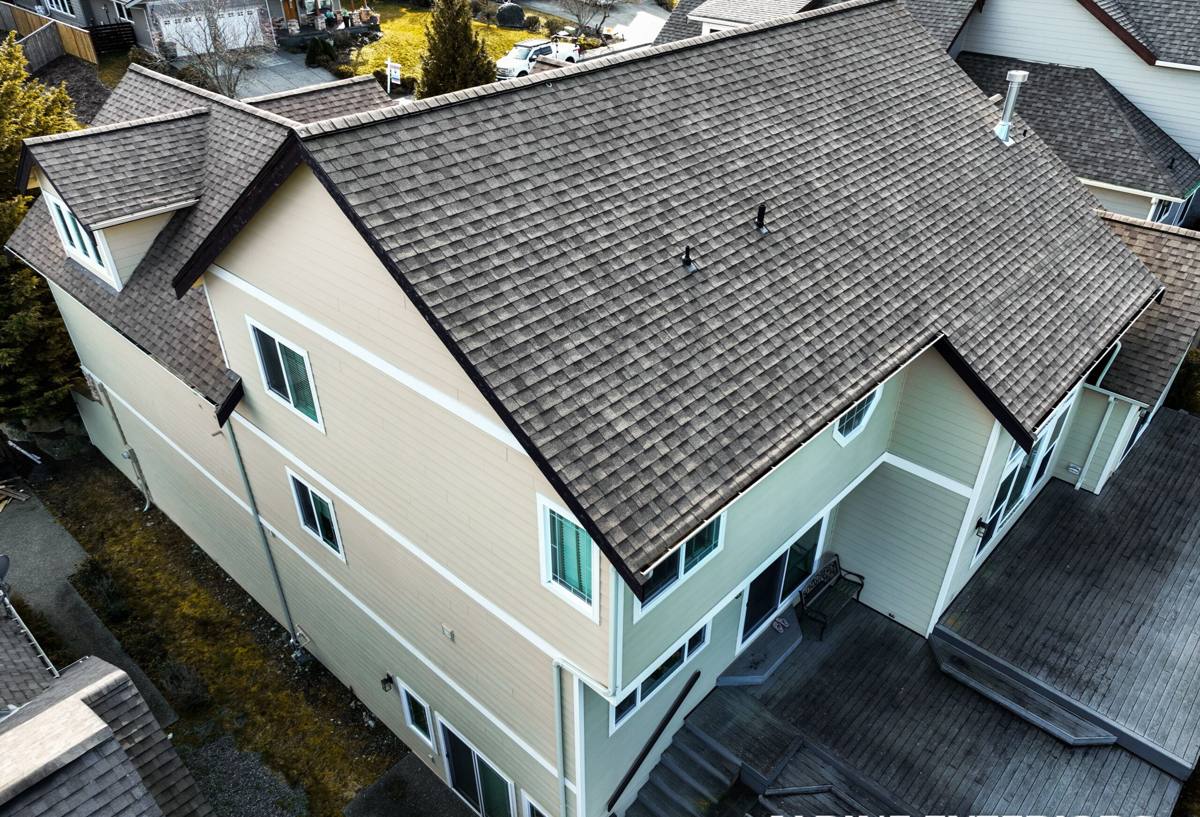
Decks in Blaine Harbor take a beating that decks twenty miles inland never see. You're close enough to the water that salt-laden air reaches siding, railings, and fasteners year-round, and Whatcom County's long wet season keeps every horizontal surface damp for months at a stretch. Add in the shade from mature evergreens common around Blaine Harbor properties, and you get a moss and algae season that can run from October into May. None of this means a deck is doomed — it means a deck needs repair work that accounts for those conditions, not a generic patch job pulled from a national franchise playbook.
We work on decks throughout Blaine, and Blaine Harbor specifically gives us a good read on what fails first and why. This page covers what we look for, what a correct repair involves, and how we approach the job so it holds up through the next few wet seasons instead of needing a redo.
Why Blaine Harbor Decks Wear Differently
Salt Air and Metal Fasteners
Coastal salt air accelerates corrosion in nails, screws, joist hangers, and bolts — especially on decks built before hot-dip galvanized or stainless fasteners became standard practice. Once a fastener starts rusting, it loses holding strength and can stain the surrounding wood or composite decking. On older Blaine Harbor decks, corroded hardware is one of the most common reasons a board that looks fine is actually loose or unsafe to stand on.
Driving Rain and Trapped Moisture
Whatcom County storms often come in sideways, and a deck attached to a house is only as dry as its weakest flashing point. Water that gets behind ledger boards, under railing posts, or between decking boards doesn't dry quickly in our climate — it sits, and that's where rot starts. A deck that looks fine from a few feet away can have soft, water-damaged framing underneath.
Moss, Algae, and Slippery Surfaces
Blaine Harbor's tree cover and the region's long wet stretch create ideal conditions for moss and algae to take hold on decking, stairs, and railings. Beyond the slip hazard, moss holds moisture against wood fibers and accelerates decay in exactly the spots where people walk.
What a Deck Inspection Should Actually Cover
Before we talk about fixing anything, we look at the whole structure — not just the board someone noticed was soft. A repair that only addresses the visible symptom often misses the cause.
- Ledger board attachment to the house — the single most safety-critical connection on an attached deck
- Joist and beam condition, checked by probing for soft or spongy wood, not just visual inspection
- Post bases and any contact points where wood sits directly on or near soil or concrete
- Railing post connections and overall railing stability under lateral pressure
- Fastener condition — rust staining, backed-out screws, or corroded joist hangers
- Stair stringer condition, especially at ground contact points
- Flashing at the house connection and any gaps allowing water intrusion
- Surface condition of decking boards — cupping, splintering, moss buildup, and soft spots
- Drainage under and around the deck footprint
We'll tell you honestly what we find, including anything that's fine and doesn't need work. Not every soft-looking board is structural, and not every deck needs a full rebuild — plenty of Blaine Harbor decks just need targeted repairs done correctly.
Common Deck Repairs We Handle
Board Replacement
Individual boards that have rotted, cupped badly, or split get pulled and replaced. We match species and dimension as closely as possible on wood decks, and for composite decking we source matching or close-matching profiles so the repair doesn't stand out as an obvious patch.
Ledger Board and Flashing Repair
If water has been getting behind the ledger board where the deck meets the house, that's a priority repair, not a cosmetic one. This connection carries structural load, and moisture intrusion here can affect the house's rim joist and sheathing, not just the deck. We correct flashing details so water sheds away from the structure instead of pooling against it.
Joist and Framing Repair
Sistering a new joist alongside a compromised one, or replacing sections of damaged framing, restores structural capacity without necessarily requiring a full teardown. We only recommend a full rebuild when the damage is widespread enough that partial repair wouldn't be a responsible use of your money.
Railing and Guard Repair
Loose or wobbly railings are a safety issue, not a nuisance. We re-secure post connections, replace corroded hardware, and where code requires it, bring railing height and baluster spacing up to current standards during the repair rather than just reattaching what was there.
Fastener Upgrades
Where we find corroded or undersized hardware, we replace it with stainless steel or hot-dip galvanized fasteners and connectors rated for coastal exposure. This is a small cost during a repair and a meaningful upgrade in how long the fix lasts.
Moss and Algae Treatment
Surface cleaning and treatment to remove moss and algae buildup, paired with recommendations on trimming back overhanging branches where practical, to slow how fast it returns.
Repair or Replace? A Practical Comparison
| Situation | Repair Usually Makes Sense | Replacement Usually Makes Sense |
|---|---|---|
| Structural framing | Isolated soft spots, one or two damaged joists | Widespread rot across multiple framing members |
| Decking surface | Scattered board failures, under 20-25% of surface | Most boards cupped, splintering, or failing |
| Ledger connection | Localized flashing failure, framing behind it is sound | Rim joist or sheathing behind ledger is compromised |
| Railings | Loose posts, corroded hardware, code-noncompliant spacing | Rotted posts throughout, structurally unsound frame |
| Age of deck | Under 15-20 years, built with adequate original materials | Original construction quality was poor or deck is very old |
These are general guidelines, not hard rules — the actual decision depends on what we find during inspection. We'll always give you a straight answer on which category your deck falls into rather than steering you toward the larger job.
How We Approach a Deck Repair Job
1. Inspection and Written Estimate
We walk the full deck, probe suspect areas, and check the ledger and railing connections. You get a clear written estimate that separates what's structural from what's cosmetic, so you can make an informed decision about scope.
2. Sourcing Matching Materials
For wood decks, we source lumber that matches species and grade as closely as possible. For composite or PVC decking, we identify the existing product where we can and source a compatible match, since decking lines change profiles and colors over time.
3. Repair Work
We remove and replace only what needs it, correct any flashing or moisture issues we found at the source rather than just covering them, and upgrade fasteners to coastal-rated hardware in the repaired areas.
4. Cleanup and Final Check
We clear debris, check that railings and stairs are solid under load, and walk the finished repair with you before we consider the job done.
Cost Factors for Deck Repair
Every deck repair is different, so we don't quote broad numbers until we've inspected the specific problem, but the main factors that drive cost are consistent:
- Extent of the damage — a few boards versus multiple framing members
- Accessibility of the affected area, including deck height and what has to be removed to reach it
- Material type — composite and PVC decking generally cost more per board than standard lumber
- Whether ledger or flashing work is involved, which requires more careful sequencing than surface repairs
- Code-required upgrades to railings if the existing setup doesn't meet current standards
Maintenance Between Repairs
A repaired deck lasts longer with a bit of seasonal upkeep, which matters more here than in drier climates:
- Clear leaves and debris from between boards before wet weather sets in each fall
- Treat moss and algae early in the season rather than waiting until it's established
- Check railing posts for movement once or twice a year
- Keep gutters and downspouts clear so overflow isn't draining onto or under the deck
- Reseal or refinish wood decking on the manufacturer's recommended schedule — coastal exposure shortens the interval compared to inland homes
Why Local Experience Matters for This Repair
A deck repair crew that mainly works inland jobs may not think to check for salt-air corrosion on hardware that still looks intact, or may underestimate how long moisture stays trapped under Blaine Harbor's tree cover. Working this area regularly means we know where problems tend to start on local decks and we come prepared with the right fastener grades and flashing details from the first visit, instead of discovering mid-job that standard hardware won't hold up here.
We also understand that a deck repair often needs to happen around a household's actual schedule, not just when it's convenient for a crew passing through the region. Being local means realistic scheduling and someone who can come back easily if a follow-up question comes up after the work is done.
Get a Free Estimate
If you've got a soft board, a wobbly railing, or you just want an honest read on your deck's condition before it becomes a bigger problem, we're happy to take a look. Estimates are free and there's no pressure — you'll get a clear picture of what's going on and what it would take to fix it. Reach out using the form below to get started.