 Blaine Siding
 Deck Building in Grandview: Designed for the Climate You Actually Have
Grandview homeowners in Blaine deal with a different set of conditions than someone building a deck inland. The salt-laden air off the surrounding waters, the driving rain that comes in sideways during winter storms, and the long stretch of the year when moss and algae have every reason to take hold all put real stress on an outdoor structure. A deck that would hold up fine in a drier, inland climate can start showing problems here within a few seasons — corroding fasteners, soft spots where water sat too long, slick green film on the boards by late fall.
Building a deck correctly for this part of Whatcom County isn't about using fancier materials across the board. It's about understanding where water goes, what the salt air does to metal over time, and which surfaces stay shaded and damp long enough to grow moss — then designing and building around those realities instead of ignoring them.
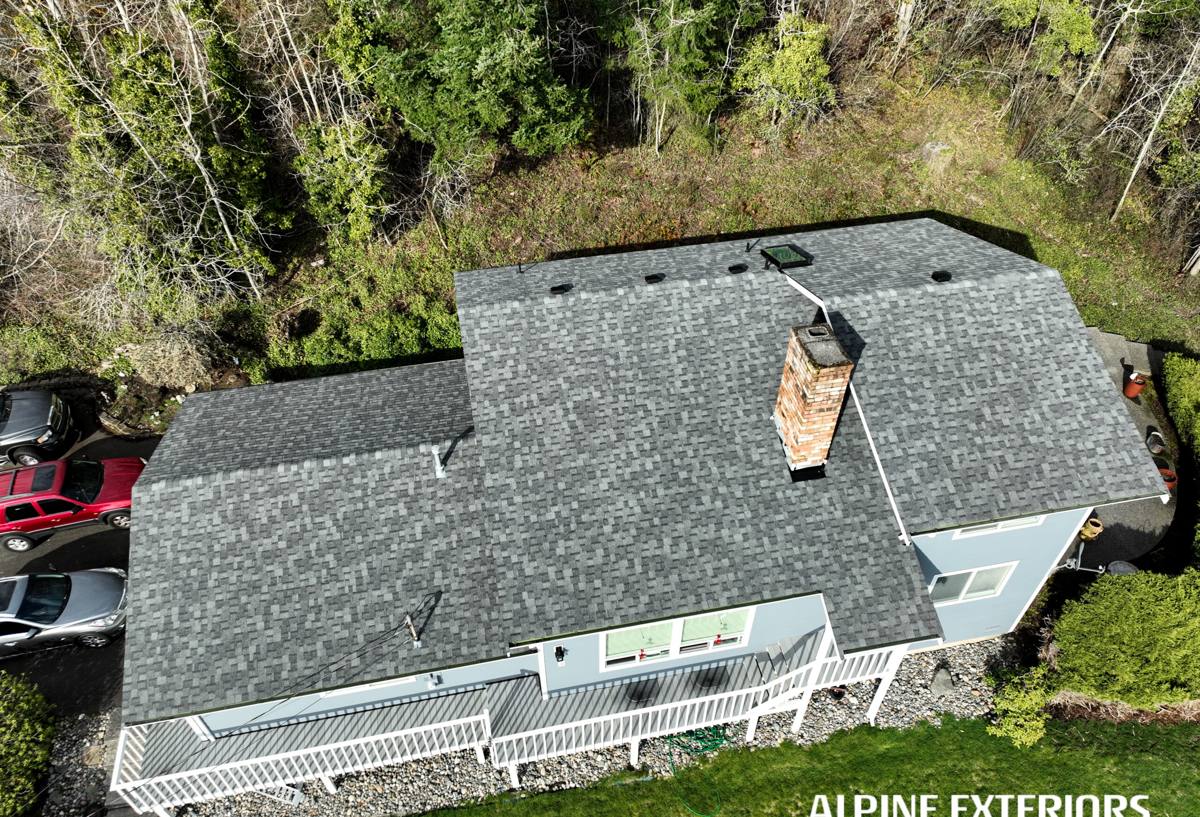
What Grandview's Location Means for Your Deck
Salt Air and Metal Fasteners
Being this close to the water means airborne salt settles on everything outside, including your deck's hardware. Standard fasteners and connectors that aren't rated for coastal exposure will corrode faster here than the same products would fifty miles inland. Once a fastener starts rusting, it doesn't just look bad — it loses holding strength, and a deck's structural integrity depends on every ledger bolt, joist hanger, and screw doing its job for the long haul.
Driving Rain and Water Management
Pacific Northwest storms in this area don't always fall straight down. Wind-driven rain gets pushed under railings, into ledger connections, and behind fascia boards if those areas aren't properly flashed and sealed. A deck built without real attention to water management will trap moisture in exactly the places you can't see — the ledger-to-house connection, the tops of joists, the underside of decking boards — which is where rot actually starts.
Moss and the Long Wet Season
Grandview gets a long stretch of overcast, damp weather every year, and shaded or low-airflow areas of a deck are prime real estate for moss and algae. Beyond looking neglected, a mossy deck surface holds moisture against the wood or composite cap far longer than a clean one, and it turns slick and genuinely dangerous underfoot once it's wet.
Choosing the Right Decking Material for This Climate
There's no single "best" decking material for every project — it depends on your budget, how much maintenance you're willing to do, and how the deck is situated relative to sun and shade. Here's how the common options actually perform in a marine, moss-prone climate like Blaine's:
| Material | How It Handles This Climate | Maintenance Reality |
|---|---|---|
| Pressure-treated lumber | Affordable and strong, but the wood grain absorbs moisture readily and needs a sealed, water-shedding finish to resist rot and moss growth | Needs cleaning and re-sealing every 1-2 years, more often in shaded spots |
| Cedar | Naturally rot-resistant and handles moisture better than most softwoods, but still needs upkeep to fight graying and moss in shaded areas | Regular cleaning and periodic oil or sealant |
| Composite decking | Resists rot and doesn't absorb water into the board core, but the capped surface can still grow a moss or algae film if it stays shaded and damp | Periodic washing; no sealing or staining required |
| PVC/vinyl decking | Fully resists moisture absorption and is the least hospitable surface for moss to take hold on long-term | Occasional washing; highest upfront cost |
For a lot of Grandview properties, the framing underneath the deck matters as much as the surface material. We'll walk you through the honest trade-offs for your specific site — sun exposure, how close you are to the water, and what you want to be doing (or not doing) for upkeep five years from now.
What a Correctly Built Deck Actually Involves
A deck is a structure first and a surface second. The parts you don't see are what determine whether it's still solid in fifteen years or soft and sagging in five. In this climate, a few details matter more than they would somewhere drier:
- Ledger board flashing — the connection where the deck attaches to the house needs proper flashing so wind-driven rain can't work its way behind it and into the wall assembly
- Joist tape or capping — covering the tops of joists so standing water can't soak into the exposed wood grain, which is one of the most common places rot starts unnoticed
- Corrosion-resistant hardware — connectors, joist hangers, and fasteners rated for coastal or wet-service exposure, not standard interior-grade hardware
- Proper footing depth and spacing — footings sized and placed to code for our soil and frost conditions, not just "close enough"
- Air gaps and drainage — decking installed with the right spacing and the substructure ventilated so moisture doesn't get trapped and stagnant
- Railing and post connections — hardware and blocking strong enough to meet code load requirements, since this is a safety system, not just a design element
Skipping or cutting corners on any of these doesn't show up on day one. It shows up two or three winters later, usually as soft decking, a wobbly railing, or a musty smell coming from underneath the deck.
Our Deck Building Process
1. On-Site Consultation
We walk the property with you, look at how the sun and rain hit the area where you want the deck, and talk through how you'll actually use the space. This is also where we flag anything specific to your lot — drainage patterns, shaded corners that will need extra attention, or existing structures the new deck will attach to.
2. Design and Material Selection
We put together a plan that fits your budget and maintenance preferences, with honest input on which materials make sense given the deck's orientation and exposure. No pressure toward the most expensive option — just a straight answer about what each choice will mean for you down the road.
3. Permitting
Deck construction in Whatcom County typically requires a permit, and requirements can vary depending on the deck's size, height, and attachment to the home. We handle that process so you're not stuck figuring out local requirements on your own.
4. Construction
Footings, framing, flashing, decking, and railings — built in that order, with each stage inspected before we move to the next. This is where the climate-specific details above actually get executed, not just specified.
5. Final Walkthrough
We go over the finished deck with you, explain any maintenance recommendations specific to the materials you chose, and make sure you're clear on what upkeep (if any) is coming due and when.
Maintenance for a Moss-Prone, Salt-Air Environment
Every deck in this climate needs some level of upkeep — the material you choose just changes how much. A few habits go a long way toward keeping a Grandview deck safe and good-looking year-round:
- Sweep leaves and debris off the deck surface regularly, especially in fall — trapped organic matter is what moss feeds on
- Rinse the deck a few times a year to clear salt residue and organic buildup before it has a chance to set in
- Check railing posts and stair connections annually for any looseness or corrosion at the hardware
- Keep nearby shrubs and trees trimmed back so shaded areas of the deck get more airflow and light
- Address any soft or discolored decking boards right away rather than waiting for them to spread
- Re-seal wood decking on the schedule appropriate for the product — waiting too long lets moisture back into the grain
Permits and Whatcom County Considerations
Beyond the building code requirements for footings, railings, and structural connections, decks in Blaine need to account for our frost depth and local drainage rules, particularly on lots with any grade or proximity to water. We handle the permit application and inspection scheduling as part of the build, so this isn't something you have to navigate on your own.
Why Hire a Crew That Already Works in Grandview
A contractor who builds decks across a wide range of inland climates isn't automatically thinking about salt exposure or moss-prone shade patterns — those aren't universal concerns, they're specific to areas like this one. Working regularly in Blaine and the surrounding Whatcom County coastline means we're not guessing at how a given fastener, flashing detail, or decking material will hold up here — we've seen what does and doesn't last in this exact climate, and we build accordingly from the first footing.
That local familiarity also means fewer surprises during the permit process, since we're used to working with the same jurisdiction and inspectors. It's the difference between a deck that's designed for "outdoor use" in general and one that's actually built for the conditions right outside your door.
If you're planning a new deck or replacing one that's showing its age, we're happy to come take a look and give you a straightforward, no-pressure estimate. Use the form below to get started.