 Blaine Siding
 Siding Built for California Creek's Weather, Not Just Its Curb Appeal
California Creek sits close enough to the water and the open fields of northern Whatcom County that homes here take a harder hit from the weather than siding manufacturers usually plan for. Salt-tinged air drifts in off the bay, winter storms bring driving rain sideways against west and south walls, and the shoulder seasons stay damp long enough that moss and algae get a real foothold on anything that holds moisture. If you're planning a siding replacement in this neighborhood, the product and the installation both need to be chosen with that specific combination in mind — not a generic "Pacific Northwest" spec sheet, but the real conditions this stretch of Blaine sees year after year.
We work on homes throughout Blaine and Whatcom County, and California Creek comes up often enough that we've got a clear sense of what fails here and why. This page walks through what that means for a siding replacement done right.
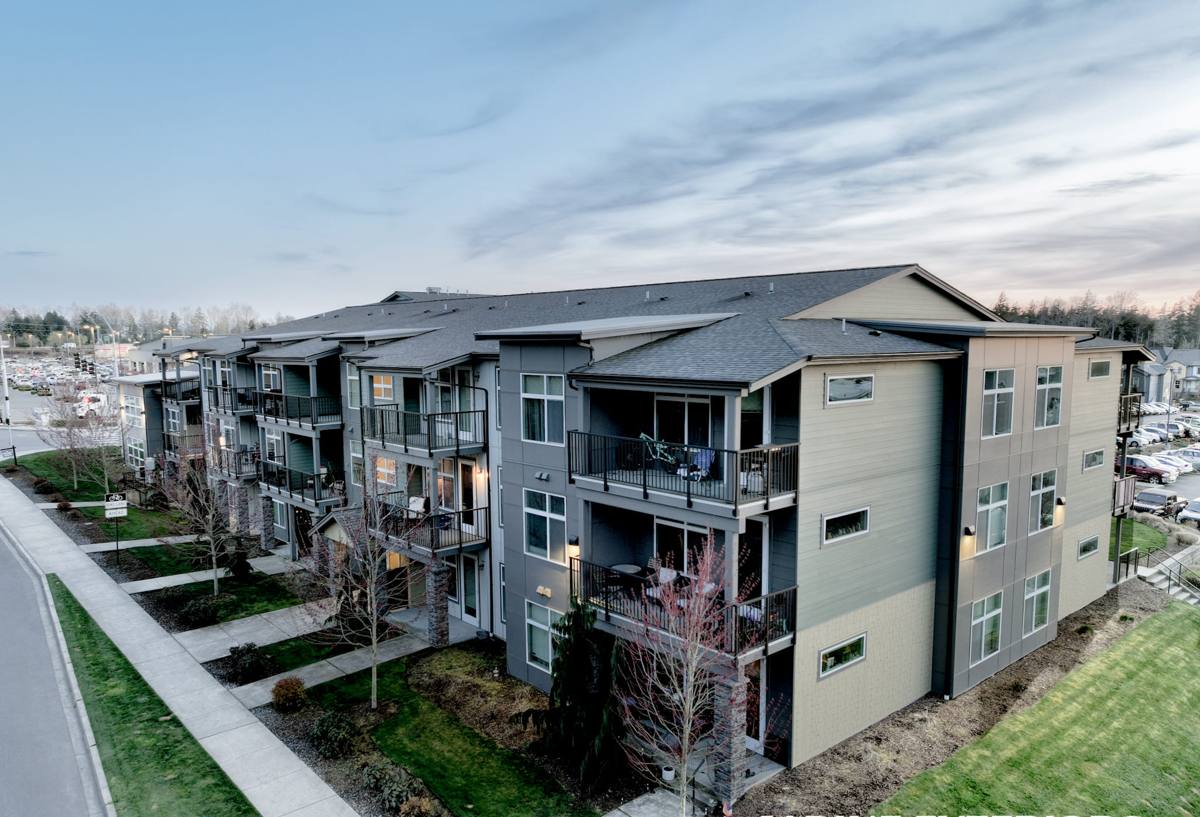
What Salt Air, Rain, and Moss Actually Do to Siding
Salt Air and Corrosion
Homes near the water don't just deal with humidity — they deal with airborne salt that settles on siding, trim, and especially fasteners. Over years, salt exposure accelerates corrosion on lower-grade nails and staples, and it can degrade paint films faster than inland homes ever experience. Siding that isn't rated for coastal exposure, or that's installed with the wrong fastener spec, tends to show pitting, streaking, and early paint failure well before its expected lifespan is up.
Driving Rain
Blaine's storms frequently come in wind-driven, which means rain doesn't just fall on siding — it gets pushed into laps, seams, and penetrations. A wall assembly that relies on caulk and hope instead of proper flashing, weather-resistive barrier detailing, and correct lap coverage will eventually let water behind the cladding. Once that happens, the damage is usually happening in the wall cavity long before it's visible from the street.
Long Moss Season
Shaded elevations, north-facing walls, and anything near overhanging trees in California Creek stay damp for extended stretches, especially from late fall through spring. That's exactly the environment moss and algae need. Porous or textured siding surfaces give organic growth something to grip onto, and once established, moss holds moisture against the wall surface — which compounds the corrosion and rot risks above instead of just being a cosmetic nuisance.
What This Means for Material Choice
Given those three stressors, we install James Hardie fiber cement siding exclusively — we don't offer vinyl, LP SmartSide, Cemplank, Allura, or wood siding, because we don't think they hold up as well to this specific mix of salt, driving rain, and sustained damp as Hardie's HZ5 product line does. That's not a knock on every use case for those materials elsewhere in the country; it's a judgment call based on what we see fail first in coastal Whatcom County conditions.
Why Fiber Cement Handles This Environment
- Non-combustible and dimensionally stable: fiber cement doesn't expand and contract with moisture the way wood-based products can, which keeps joints and laps tighter over time.
- Factory-applied ColorPlus finish: baked-on finish resists fading and holds up to UV and salt exposure better than field-applied paint, and it comes with its own finish warranty.
- Moisture resistance: fiber cement won't rot, swell, or delaminate the way wood or wood-composite products can when they take on water at seams and cut edges.
- Surface texture options: smooth and select cedarmill textures both clean up more easily than deeply textured wood-look products, which matters when moss and algae are a recurring problem.
What a Correct Siding Replacement Involves
Ripping off old siding and nailing up new panels is the easy part. The work that actually determines whether a home stays dry for the next 30 years happens underneath, and it's where a lot of siding jobs — done fast or done cheap — quietly cut corners.
Tear-Off and Substrate Inspection
Every square foot of sheathing gets inspected once the old siding is off. This is where we find the real story: soft spots from long-term moisture intrusion, rot around window and door openings, and areas where a prior installation let water in without anyone knowing until the siding came off. Any damaged sheathing gets replaced before anything new goes up — new siding over compromised sheathing just hides the problem for a few more years.
Weather-Resistive Barrier and Flashing
A correctly lapped weather-resistive barrier, proper window and door flashing, and correctly integrated kick-out flashing at roof-wall intersections are what actually stop wind-driven rain from reaching the sheathing. This detailing matters more in California Creek than it would on a sheltered inland lot, because the rain here comes in at an angle, not just straight down.
Fastening for Coastal Exposure
Fastener selection isn't a minor detail this close to the water — corrosion-resistant, manufacturer-approved fasteners installed at the correct pattern and depth are what keep panels secure and keep rust streaking from showing up on the face of the siding a few years down the road.
Proper Clearances and Drainage
Siding installed too close to grade, decks, or roof lines holds moisture against the bottom edge of panels and gives moss a place to start. Correct clearances, plus rainscreen or drainage detailing where the wall assembly calls for it, keep water moving away from the home instead of sitting against it.
Our Process for a California Creek Siding Replacement
| Step | What Happens |
|---|---|
| 1. On-site assessment | We walk the home, check current siding condition, note problem elevations, and look for existing moisture damage. |
| 2. Written estimate | Scope, materials, and pricing laid out clearly, with product line recommendations based on exposure per elevation. |
| 3. Tear-off and inspection | Old siding removed, sheathing inspected, any rot or damage repaired before moving forward. |
| 4. Weather barrier and flashing | House wrap, window/door flashing, and penetration detailing installed or corrected to current best practice. |
| 5. Hardie installation | Panels installed to manufacturer spec — fastener pattern, clearances, and joint treatment done to hold up long-term. |
| 6. Final walkthrough | Caulking, paint touch-up points, and trim details reviewed with the homeowner before we call it done. |
Cost Factors Specific to This Kind of Job
Every home is different, but a few factors consistently move the price on a California Creek siding replacement:
| Factor | Why It Matters Here |
|---|---|
| Sheathing condition | Homes with long-term moisture exposure often need sheathing repair or replacement before new siding goes up. |
| Number of exposed elevations | Walls facing prevailing wind and rain need more careful flashing and detailing work than sheltered sides. |
| Existing moss/algae damage | Heavier organic growth can mean more prep work and sometimes trim or fascia repair underneath. |
| Trim and detail work | Window and door surrounds, corner boards, and fascia add labor beyond flat wall panel installation. |
| Siding profile and finish | Lap width, texture, and color selection affect material cost but not long-term performance in this climate. |
What to Check Before Hiring for This Job
Not every contractor working in Whatcom County treats coastal exposure as a design factor — plenty of crews install the same way whether the job is on the water or twenty miles inland. Before hiring for a California Creek siding replacement, it's worth asking a few direct questions:
- Do they inspect and, if needed, replace sheathing before installing new siding, or just cover what's there?
- Can they explain their flashing and weather-resistive barrier detailing in plain terms?
- Do they use fasteners rated for the exposure level of this location, and can they say why?
- Are they manufacturer-certified or experienced specifically with fiber cement installation, not just general siding work?
- Will they document sheathing condition and any repairs made before it's covered back up?
A crew that's worked this specific area before will have already run into these conditions and adjusted for them — that's worth more than a lower bid from a crew that hasn't.
Signs It's Time to Replace, Not Patch
Some siding problems are worth repairing in place; others are signals that the whole assembly needs to come off. Common signs we look for on California Creek homes include:
- Soft or spongy spots when pressing on siding near the bottom courses or around windows
- Persistent moss or dark staining that returns quickly after cleaning
- Visible rust streaking from fasteners or trim hardware
- Paint that's peeling or bubbling rather than just fading
- Gaps opening up at seams, corners, or trim joints
Any one of these on its own might be a spot repair. Several together, especially on a home that's had the same siding for a couple of decades, usually points to a full replacement being the more honest recommendation.
Get a Straightforward Estimate
If you're weighing a siding replacement for a California Creek home, we're happy to come take a look, walk the exterior with you, and give you a straightforward read on condition and options — no pressure, no upsell script. Use the form below to request a free estimate.