 Blaine Siding
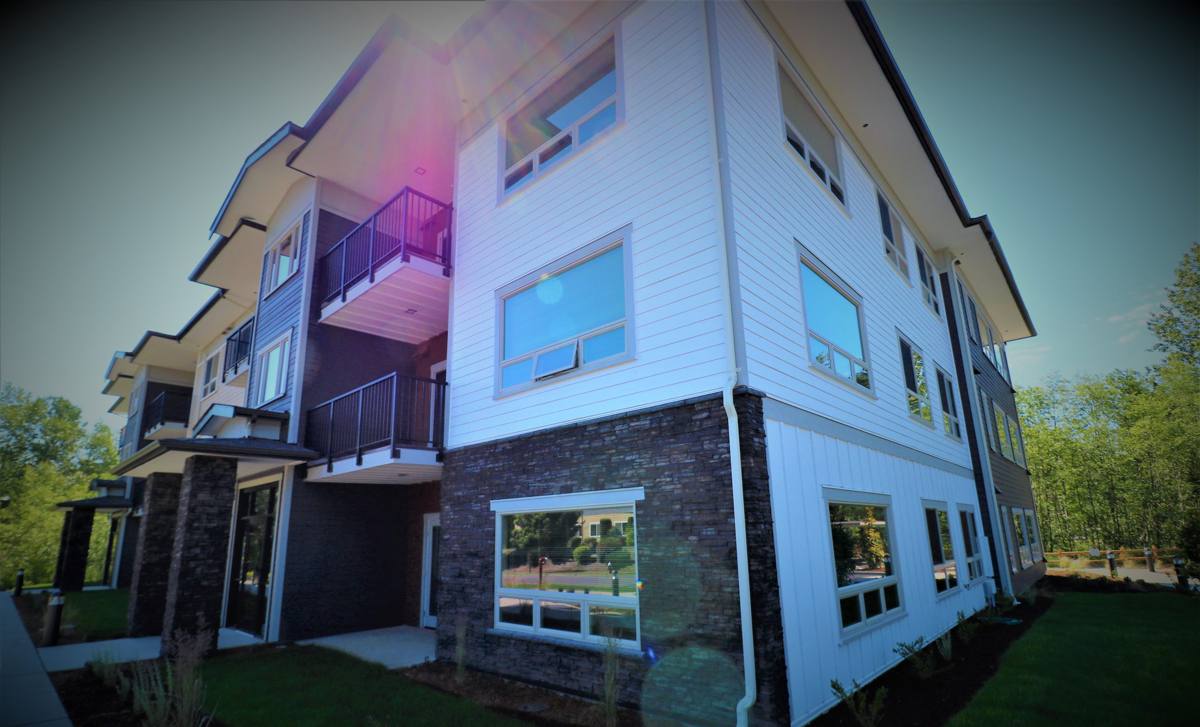
 Cherry Point Sits in a Tougher Climate Than Most Siding Is Built For
Cherry Point's homes face a combination most siding products were never designed to handle for the long haul: salt-laden air off the water, wind-driven rain that hits walls sideways instead of straight down, and a long, damp moss season that can run most of the year in Whatcom County. Any one of these on its own is manageable. Together, over years, they expose weak points in siding materials and installations that would hold up fine somewhere drier and more sheltered.
This is a local service page focused on one thing: siding installation for Cherry Point specifically, and what it takes to get it right in this exact climate. If you're comparing bids or just trying to understand what "correct installation" actually means here, this is written for you.
What Cherry Point's Climate Actually Does to Siding
Salt Air and Corrosion
Homes near the water pick up airborne salt that settles on siding, trim, and especially fasteners. Over time, salt exposure accelerates corrosion in anything metal that isn't rated for it — nails, screws, flashing, and hardware. When a siding job uses the wrong fastener grade or skips proper flashing at seams and penetrations, corrosion shows up years later as staining, streaking, or fastener failure that's expensive to trace and fix.
Wind-Driven Rain
Coastal exposure means rain doesn't just fall on Cherry Point homes, it gets pushed into every gap, lap joint, and trim seam by wind coming off the water. Siding that relies on caulk alone to keep water out, rather than proper lapping, flashing, and a functioning water-resistive barrier behind it, will eventually let moisture in. That moisture doesn't always show up as a visible leak — often it shows up as rot in the sheathing or framing behind siding that still looks fine from the street.
Moss and Algae Season
Whatcom County's damp, mild climate keeps humidity high for long stretches, and shaded or north-facing walls in particular stay wet longer after rain. That's ideal growing conditions for moss and algae on any siding surface that holds moisture instead of shedding it. Beyond the cosmetic issue, sustained moisture at the surface works its way into seams, joints, and any spot where the substrate itself can absorb water.
Why We Only Install James Hardie Fiber Cement
We made a deliberate decision as a company to install James Hardie fiber cement siding exclusively — not LP SmartSide, not vinyl, not Cemplank, not Allura, not primed spruce or cedar. That's not a marketing position, it's a practical one built around exactly the conditions Cherry Point homes deal with.
Fiber cement is non-combustible, which matters as much for insurance and long-term durability as it does for fire safety. It doesn't swell, rot, or feed insects the way wood-based products can when moisture gets past the surface. Hardie's ColorPlus factory finish is baked on under controlled conditions and backed by its own finish warranty, which holds up better against UV and salt exposure than field-applied paint. And Hardie's HZ5 product line is specifically engineered for climates with high moisture exposure — a category the Pacific Northwest coast, including Cherry Point, squarely falls into.
We're not going to tell you other products are junk. LP SmartSide, vinyl, and the fiber cement alternatives each have real strengths and a place in the market. But for the specific combination of salt air, driving rain, and moss exposure that Cherry Point homes deal with year after year, we decided Hardie was the product we were willing to put our name behind, and we stopped installing anything else.
What a Correct Installation Actually Involves
The siding material is only part of the story. Most of the failures we get called out to inspect on coastal homes weren't caused by bad siding — they were caused by installation shortcuts that don't show up until years later.
Water-Resistive Barrier and Flashing
Every wall needs a continuous, correctly lapped water-resistive barrier underneath the siding, with flashing integrated at every window, door, and penetration so water is directed out and down, never trapped behind the cladding. In a wind-driven rain environment like Cherry Point's, this layer is doing more work than the siding itself.
Fastening and Clearances
Hardie specifies fastener type, spacing, and placement for a reason — get it wrong and you create stress points that crack panels or corrode over time. Ground clearance, deck and roof clearances, and gaps at trim all need to follow Hardie's published install specs, not general contractor habit, to keep the bottom edge of the siding from sitting in standing moisture.
Joints, Caulking, and Trim
Butt joints need to be flashed, not just caulked. Caulk is a secondary defense, not the primary water barrier — a joint that depends entirely on a bead of sealant to stay dry will eventually fail once that sealant ages, and coastal UV and salt exposure age sealant faster than inland conditions do.
Installation Factors That Matter Most in a Coastal Climate
| Factor | Why It Matters at Cherry Point |
|---|---|
| Fastener grade | Salt air accelerates corrosion in standard fasteners; correct grade prevents streaking and failure |
| Water-resistive barrier continuity | Wind-driven rain finds any gap; a continuous barrier is the real defense, not the siding surface |
| Flashing at penetrations | Vents, lights, and hose bibs are common entry points for driven rain if not properly flashed |
| Ground and roof clearances | Prevents standing moisture and splashback that feeds rot and moss at the bottom courses |
| Factory finish vs. field paint | ColorPlus finish resists salt and UV better than site-applied paint over time |
| Panel orientation on shaded walls | North-facing and shaded elevations need extra attention to drainage and airflow to limit moss growth |
Our Process for a Cherry Point Siding Installation
Every home is different, but the sequence stays consistent because it's built around the failure points we see most often in this climate:
- On-site assessment of existing siding, sheathing condition, and problem areas specific to the home's exposure and orientation
- Removal of old siding and inspection of the sheathing underneath for hidden moisture or rot before anything new goes up
- Installation of a continuous water-resistive barrier with correctly lapped seams
- Flashing integration at every window, door, vent, and penetration
- Installation of James Hardie panels or lap siding to manufacturer clearance and fastening specifications
- Trim, joint, and caulk detailing designed to shed water rather than depend on sealant alone
- Final walk-through so you understand what was done and why, before we consider the job finished
What to Ask Before Hiring for a Coastal Siding Job
Not every contractor who installs siding has real experience with coastal exposure. A few questions separate a crew that understands Cherry Point's conditions from one that's applying a generic install:
- Do you follow James Hardie's published fastening and clearance specs, or generic siding practices?
- What fastener grade do you use, and is it rated for coastal salt exposure?
- How do you handle flashing at windows, doors, and penetrations — is it integrated with the water-resistive barrier?
- Will you inspect the sheathing for existing moisture damage before installing new siding over it?
- Can you explain how your detailing accounts for wind-driven rain, not just vertical rainfall?
- Are you a Hardie-only installer, or do you install multiple products depending on the bid?
Why Local Experience in Cherry Point Matters
A contractor who already works this stretch of Whatcom County has seen what actually fails here versus what's just theoretical. That's the difference between a crew that flashes a window opening because the manual says to and a crew that flashes it because they've pulled apart enough coastal siding to know exactly where wind-driven rain gets in. It's also the difference in judgment calls — where to add extra clearance, which elevations need closer attention for moss, and how aggressively to detail a joint that faces prevailing weather off the water.
Blaine and the surrounding Whatcom County coastline aren't a generic siding market, and a Cherry Point home shouldn't get a generic installation. The climate here is specific enough that the details most other jobs can get away with skipping are the details that determine whether siding lasts fifteen years or thirty.
If you're planning a siding project for a Cherry Point home, we're happy to take a look and walk you through what your home specifically needs — no pressure, no obligation. Use the form below to request a free estimate.