 Blaine Siding
 Deck Repair in Custer: Why This Climate Wears Decks Out Faster
Custer sits inland from Blaine but still lives inside the same marine climate that defines Whatcom County: long wet winters, a steady onshore breeze carrying salt off the Strait of Georgia and Drayton Harbor, and a moss season that can run from October well into May. Decks here don't fail because homeowners neglect them. They fail because wood, fasteners, and coatings are constantly cycling between soaked and damp, rarely getting a real chance to dry out before the next system rolls through. That cycle is what breaks down decks in this area faster than in drier parts of the state, and it's why deck repair here needs a different eye than a general handyman visit.
We work Custer and the surrounding Blaine area regularly, which matters more than it sounds. A crew that only sees a deck once knows what's wrong today. A crew that works this specific area knows what usually goes wrong first, where water tends to collect on the deck styles common out here, and what a repair needs to survive the next five winters, not just pass a walk-through.
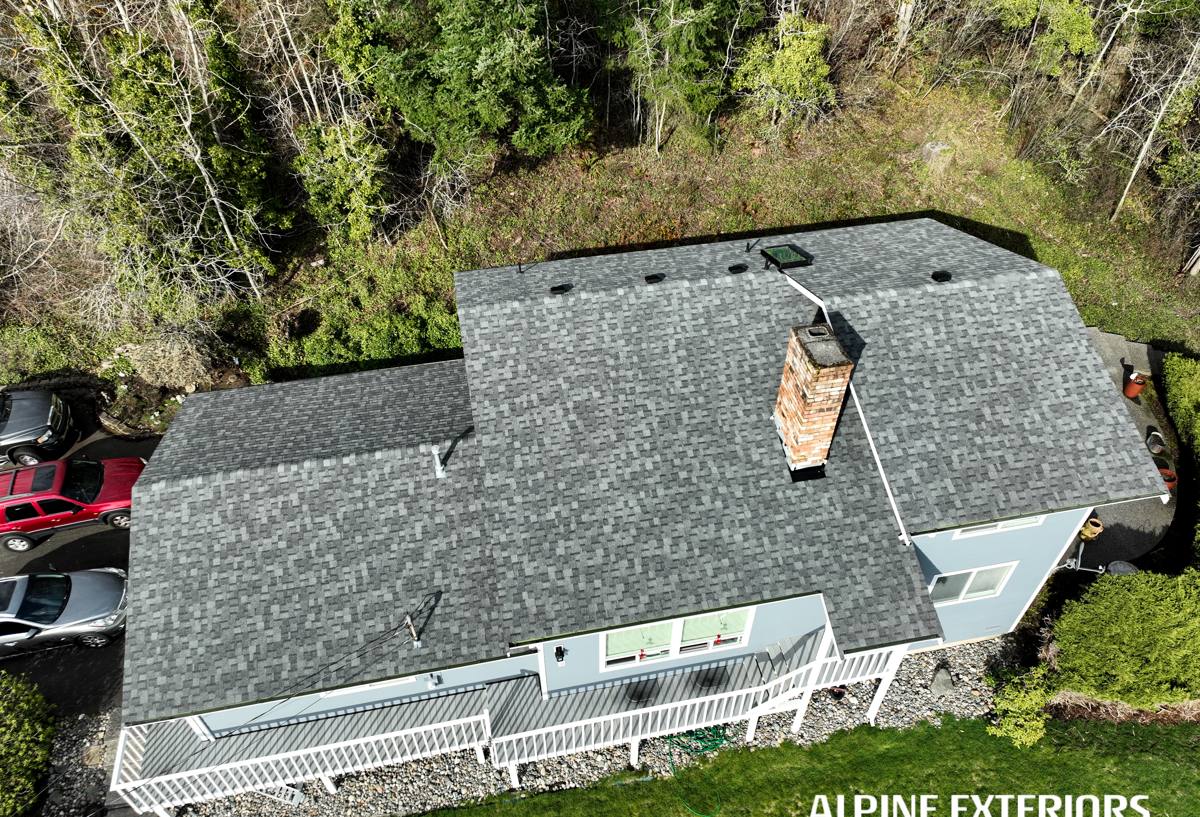
The Specific Ways Salt Air and Rain Damage a Custer Deck
Moisture That Never Fully Leaves
Wood decking absorbs moisture through end grain, fastener holes, and any spot where the surface coating has worn thin. In a climate that gets real dry stretches, that moisture eventually leaves. Here, high humidity and frequent rain mean boards can stay elevated in moisture content for months at a time. That's the environment fungal rot needs to take hold, especially in ledger boards, joists, and anywhere two pieces of wood sit face to face and trap water between them.
Salt-Driven Corrosion
Blaine and the surrounding area get real salt exposure off the water, and that salt travels on the wind farther inland than most people expect. Steel fasteners, joist hangers, and hardware without adequate corrosion resistance can start rusting years before a homeowner sees a problem on the surface. A nail or screw that's lost most of its holding strength to rust doesn't announce itself until a board comes loose or a railing flexes.
Moss, Algae, and Surface Breakdown
Shaded, north-facing, or low-airflow decks in this area grow moss and algae readily, especially through fall and winter. Beyond being a slip hazard, moss holds moisture directly against the wood surface around the clock, which accelerates surface checking, coating failure, and eventually rot in the boards underneath. A deck that looks green and neglected almost always has more going on structurally than what's visible on top.
What a Correct Deck Repair Actually Involves
A lot of deck repair work in this region gets done as a surface fix — replace the board that looks bad, sand a rough spot, call it done. That approach misses the point when the underlying cause is moisture intrusion or corroded hardware, because the same failure shows up again in a season or two, usually worse. A repair that's actually going to hold needs to address the cause, not just the symptom.
- Identify the moisture source, not just the damaged board — flashing gaps, missing ledger flashing, poor drainage, or lack of airflow underneath
- Probe surrounding structural members, not just the visibly damaged one, since rot spreads before it's visible from above
- Check the ledger connection to the house, which is the single most safety-critical joint on most decks and one of the most common failure points in wet climates
- Inspect joist hangers and fasteners for corrosion, not just wood condition
- Confirm railings and stair connections are still structurally sound, since these take direct load and are a liability concern if compromised
- Address drainage and airflow so the fix doesn't just recreate the same wet conditions
Common Deck Repairs We Handle in Custer
Rotted Board and Framing Replacement
When decking boards, joists, or beams have softened from sustained moisture exposure, replacement is usually more reliable than trying to seal or patch around rot, which tends to keep spreading underneath a repair. We match repairs to the existing structure so the deck stays consistent in strength and appearance rather than looking patched together.
Ledger Board and Flashing Repair
The ledger board — where the deck attaches to the house — is one of the most common trouble spots in this climate because it's a horizontal seam that collects water if flashing is missing, damaged, or was never installed correctly to begin with. This is also a structural safety issue, since the ledger carries a significant share of the deck's load. We treat ledger repair as a priority item, not an afterthought.
Railing and Baluster Repair
Loose, wobbly, or rotted railings are a safety issue first and a cosmetic one second. Railing posts anchored into a deck's rim joist are especially vulnerable to moisture intrusion at the connection point, and we check that connection carefully rather than just tightening what's loose.
Fastener and Hardware Upgrades
Where we find corroded nails, screws, or joist hangers, we replace them with hardware rated for the exposure this climate delivers — this is a case where using the right-grade material up front costs little extra but avoids a repeat failure down the road.
Surface Restoration and Moss Prevention
For decks that are structurally sound but worn on the surface, that can mean sanding, re-coating with a finish suited to Pacific Northwest conditions, and addressing the drainage or shade issues that let moss take hold in the first place.
Repair vs. Replacement: How We Help You Decide
Not every deck problem calls for a full rebuild, and not every deck is worth repairing piecemeal forever. The honest answer usually comes down to how much of the structural framing is affected versus the surface decking, and how old the deck is relative to when it was built and to what standard.
| Factor | Favors Repair | Favors Replacement |
|---|---|---|
| Rot location | Isolated to a few boards | Spread through joists or the ledger |
| Deck age | Under 15 years, built to current code | Older, unknown framing condition |
| Hardware condition | Mostly sound, a few spots corroded | Widespread rust on fasteners and hangers |
| Railing safety | Solid, just cosmetic wear | Loose posts or flex under load |
| Overall structure | Sound frame, worn surface | Multiple areas of soft or spongy wood |
We'll always tell you honestly which category your deck falls into. A repair that's going to need to be redone in two years because it's chasing a bigger problem isn't a good use of anyone's money, and we won't sell it that way.
How Our Deck Repair Process Works
- On-site inspection. We look at the whole deck — surface, framing where accessible, ledger connection, railings, and hardware — not just the spot you called about.
- Honest assessment. We tell you what's actually causing the problem, what needs to be fixed now, and what can reasonably wait.
- Clear scope and estimate. You'll know what's being repaired, with what materials, and why, before any work starts.
- Repair work. We address the root cause — moisture source, flashing, or hardware — alongside the visible damage, not instead of it.
- Final check. We walk the deck with you when it's done so you can see and understand the repair.
Why Hiring a Crew That Already Works Custer Matters
A contractor who works this specific corner of Whatcom County regularly has already seen how deck framing, flashing details, and hardware from different eras hold up against this exact combination of salt air, rain volume, and moss exposure. That's different from general deck repair knowledge — it's familiarity with how the local climate actually plays out on real decks over years, not just what a product spec sheet says it should do. That local pattern recognition helps us catch problems early and avoid repairs that look fine on installation day but weren't built for what this area throws at a deck all winter.
We're also realistic about scheduling around this region's weather. Deck repair work, especially framing and structural fixes, needs a reasonable dry window to do correctly. We plan around that rather than rushing a repair into questionable conditions just to get it closed up.
Maintaining Your Deck Between Repairs
A few habits go a long way toward slowing down the damage this climate causes:
- Keep gutters and downspouts clear so runoff isn't draining directly onto or under the deck
- Sweep leaves and debris off the deck surface regularly through fall, since trapped debris holds moisture against the wood
- Address moss growth early with a gentle cleaning approach rather than letting it establish
- Reapply sealant or finish on the schedule recommended for the product, not just when it looks worn
- Walk the deck periodically and check railings for looseness, especially after a hard winter
None of this replaces a periodic professional look at the structure, but it does slow the clock between repairs.
Get an Honest Look at Your Deck
If your Custer-area deck has a soft spot, a loose railing, visible moss buildup, or you just want an honest read on where it stands after another Whatcom County winter, we're glad to take a look. The estimate is free, there's no pressure, and you'll get a straight answer about what actually needs to happen — use the form below to get started.