 Blaine Siding
 Building Decks That Hold Up in Lynden's Climate
Lynden sits in a part of Whatcom County where the weather doesn't do a deck any favors. Winters bring long stretches of driving rain, spring and fall stay damp for weeks at a time, and the marine air moving in off the Salish Sea keeps humidity high even on days when it isn't actively raining. That combination is exactly what shortens the life of a poorly built deck: wet-dry cycling that works fasteners loose, standing moisture that feeds rot and moss, and shaded, low-airflow spots that never fully dry out between storms.
None of that means you can't have a deck that lasts decades here. It means the deck has to be built for this climate specifically, not just built to a generic plan. That's the difference between a deck that needs to be rebuilt in twelve years and one that's still solid in thirty.
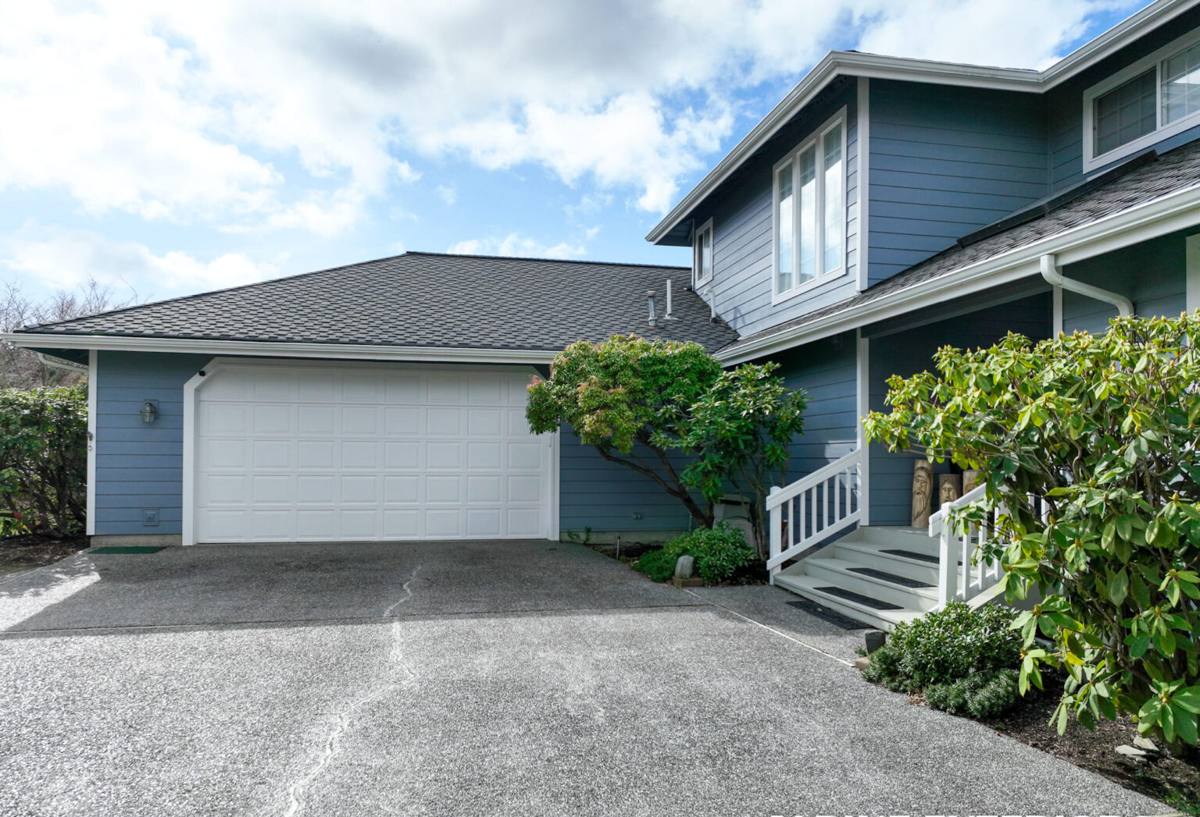
What a Deck Actually Needs to Survive Whatcom County Weather
A deck built for a dry climate and a deck built for ours look similar on the surface but are built very differently underneath. For a Lynden property, we're planning around a few realities from the start:
- Ground contact posts and footings that stay stable through repeated freeze-thaw and saturation cycles
- Board spacing and airflow that let the deck actually dry out between rain events, not just after it
- Fasteners and hardware rated for damp, marine-influenced air, not standard interior-grade hardware
- Drainage away from the house so ledger boards and siding behind the deck don't stay wet
- A surface material that resists the long moss season without demanding constant scrubbing
Skip any one of these and the deck will still look fine the first summer. The problems show up two or three winters in, usually as soft spots near the ledger, green film on the walking surface, or fasteners bleeding rust through the boards.
The Moss Problem Specifically
Moss needs shade, moisture, and organic debris to get established, and Lynden's tree cover and long wet season provide all three for a good chunk of the year. On a deck, moss isn't just cosmetic — it holds moisture directly against the decking surface and framing, which accelerates rot in wood and can make composite surfaces slick and dangerous underfoot. A deck design that ignores sun exposure, airflow, and drainage is setting itself up for a moss problem no amount of pressure washing will permanently fix.
Choosing the Right Decking Material
There's no single "best" decking material — there's the right material for your budget, how much upkeep you want to do, and how much sun or shade the deck actually gets. Here's how the common options compare for a home in this climate:
| Material | Moisture & Moss Resistance | Maintenance | Typical Lifespan |
|---|---|---|---|
| Pressure-treated wood | Good if sealed and maintained; poor if neglected | Annual cleaning and re-sealing recommended | 10-15 years with upkeep |
| Cedar | Naturally decay-resistant, but surface still needs care | Periodic cleaning and sealing to keep color and resistance | 15-20 years with upkeep |
| Capped composite | Very good — the cap resists moisture absorption and staining | Occasional washing, no sealing or staining | 25-30+ years |
| PVC decking | Excellent — essentially non-absorbent | Lowest maintenance of the group | 25-30+ years |
We install all of these depending on what a homeowner wants. Where we push back is on uncapped composite — early-generation composite boards without a protective outer layer can absorb moisture at the surface, and in a climate this wet, that means more staining and mold susceptibility over time. If composite is the direction you want to go, capped boards are worth the difference for a Lynden install.
Framing and Structure: Where Decks Actually Fail
Almost every deck failure we get called out to inspect traces back to the framing, not the decking boards on top. The visible surface gets all the attention, but the structure underneath is what determines whether the deck is safe and long-lived.
The Ledger Connection
Where the deck attaches to the house is the single most important — and most commonly under-built — connection on the whole structure. It needs proper flashing to keep water from tracking behind the siding, and lag bolts or through-bolts sized correctly for the load, not just nails or undersized screws. A poorly flashed ledger is one of the most common ways water ends up inside a wall, and you often don't find out until there's visible damage.
Posts and Footings
Footings need to sit below the frost line and bear on stable, compacted soil — not just poured on top of loose fill. Post bases should hold the post above the decking surface and off standing water, since wood-to-concrete contact at grade is one of the fastest ways to start rot in a support post.
Joist Spacing and Hardware
Joist spacing has to match the decking material's span rating — composite and PVC boards often require tighter joist spacing than solid wood to avoid flexing. Every joist hanger, screw, and bracket should be corrosion-resistant hardware rated for treated lumber and outdoor exposure, not general-purpose fasteners that corrode and stain the wood around them within a few seasons.
Our Process for a Lynden Deck Project
- On-site assessment — We look at sun exposure, drainage patterns, tree cover, and how the deck will tie into the house before we talk materials.
- Design and material selection — We walk through the tradeoffs in the table above so you're choosing based on real information, not just a showroom sample.
- Permit and code check — We confirm what Whatcom County and the local jurisdiction require for your specific deck height, size, and attachment before work starts.
- Demo and structural build — Footings, posts, ledger, and framing go in first, built to the loads and spacing the design calls for.
- Decking, railing, and finish work — Surface material, railing system, and any stairs are installed with attention to drainage and airflow underneath.
- Final walkthrough — We go over care and maintenance specific to the material you chose, so you know what upkeep actually looks like here.
Permits and Local Code Considerations
Most decks above a certain height or attached to the house require a permit in Whatcom County, and requirements can vary depending on whether you're inside Lynden city limits or in the surrounding unincorporated county. Railing height, guard spacing, and stair requirements are all governed by code and inspected for a reason — these are the details that keep a deck safe for kids, pets, and anyone leaning on the railing. We handle the permit process as part of the job rather than leaving it for the homeowner to sort out separately.
Keeping a New Deck in Good Shape
Even the best-built deck needs some seasonal attention in this climate. What that looks like depends on the material, but the basics apply across the board:
- Sweep leaves and debris off the surface regularly, especially in fall — trapped organic matter is what feeds moss and mildew
- Rinse or wash the deck surface at least once or twice a year to stay ahead of moss buildup
- Check that gaps between boards stay clear so water can drain through instead of pooling
- Inspect railing connections and stair fasteners annually for looseness or corrosion
- For wood decks, re-seal on the schedule the product calls for — don't wait until it's visibly graying
- Trim back overhanging branches that keep sections of the deck shaded and slow to dry
Why It Matters That We Already Work in This Area
A deck built by a crew that's used to a drier climate tends to under-build for what this region actually does to a structure over a wet winter. We work throughout Whatcom County, including Lynden, and we build with the assumption that the deck will spend months of the year damp, not the exception. That shapes everything from footing depth to fastener choice to how much airflow we design into the framing — decisions that don't show up in a quick estimate but show up ten years down the road in whether the deck is still solid.
If you're planning a new deck or replacing one that's showing its age, we're happy to come take a look and walk you through what your specific property needs. The estimate is free, there's no pressure, and you'll leave the conversation with a clear idea of your options — just fill out the form below to get started.