 Blaine Siding
 Why Blaine Harbor Homes Are Tougher on Windows Than Most
Blaine Harbor sits right where Semiahmoo Bay meets the rest of Whatcom County's marine weather, and that location changes what a window has to survive day to day. Salt-laden air moves off the water and settles on everything nearby, including window frames, hardware, and glazing seals. Add in driving rain that comes sideways off the harbor during winter storms, and a long, damp moss season that keeps trim and sills wet for months at a time, and you have a climate that is genuinely harder on windows than the drier inland parts of the county.
None of this means windows fail quickly here. It means the margin for a poor installation or the wrong materials is smaller. A window that would perform fine for twenty years in a sheltered inland yard can show corrosion, seal failure, or wood rot in half that time if it's facing the harbor without the right frame material, flashing, and sealant detail. That's the gap a custom window job is meant to close.
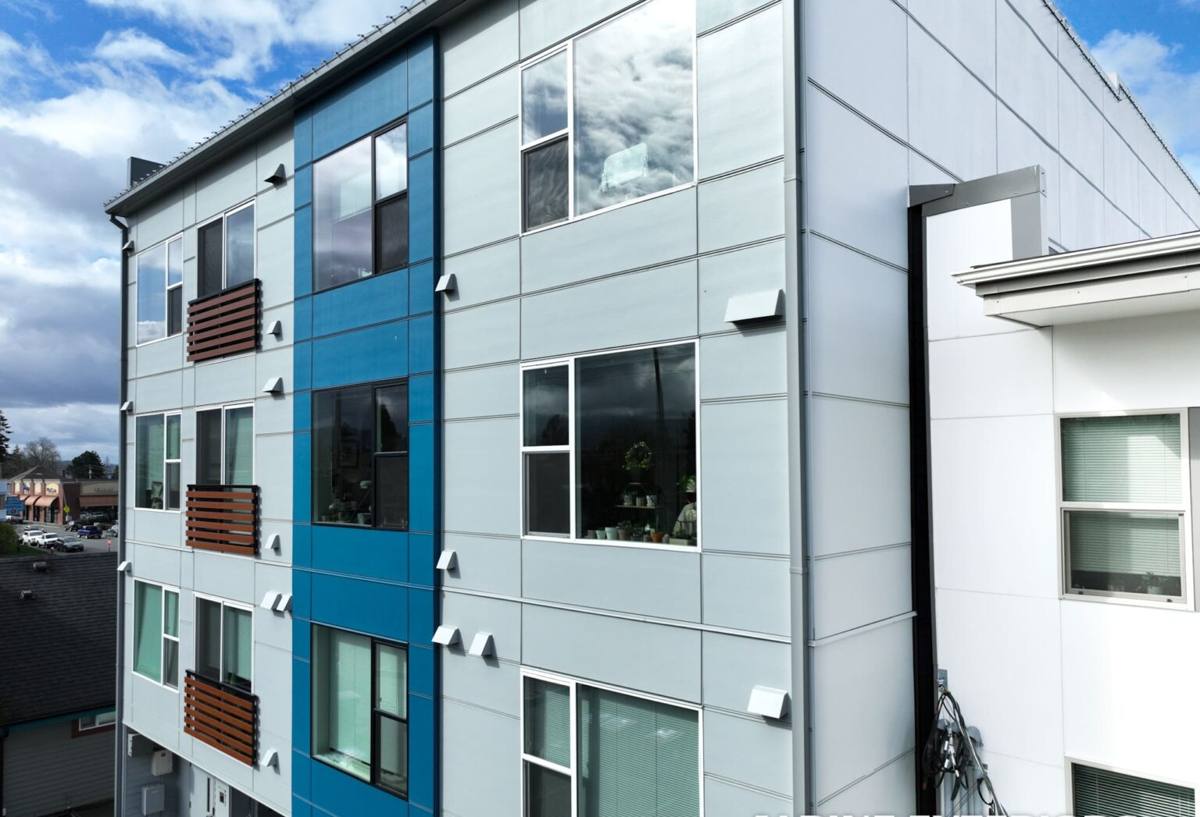
What "Custom" Actually Means for This Neighborhood
Custom windows aren't just about style. In Blaine Harbor, "custom" usually comes down to one or more of these realities:
- Older homes near the harbor with openings that don't match modern standard sizes
- View-oriented rooms where a homeowner wants larger glass area facing the water, which changes structural and weatherproofing requirements
- Additions or renovated spaces where the rough opening was never framed for a stock window
- Replacing failed windows where matching the existing exterior trim and siding lines matters for the home's appearance
- Mixed exposure homes, where the water-facing side needs different specification than the sheltered side
Custom work means every opening gets measured and evaluated on its own, not assumed to match a catalog size. That's especially important on harbor-facing walls, where a poorly sealed gap around an oversized or undersized frame becomes the first place wind-driven rain finds its way in.
Water-Facing vs. Sheltered Sides of the Same House
It's common for a single home near the harbor to need two different approaches. Windows on the water-facing or prevailing-wind side deal with more direct salt exposure and driving rain, so they justify more corrosion-resistant hardware and more aggressive flashing details. Windows on the sheltered side can often use a simpler, more economical approach without sacrificing performance. Treating every window on the house identically, regardless of exposure, usually means overspending on the sheltered side or underspending on the exposed side.
Frame Materials: What Holds Up in Salt Air and What Doesn't
Frame material choice matters more here than in most parts of the county, because salt air accelerates corrosion of metal components and speeds up degradation of anything not properly sealed. Here's how the common options compare for harbor-adjacent exposure:
| Frame Material | Salt Air Performance | Maintenance | Typical Trade-Off |
|---|---|---|---|
| Vinyl | Good — won't corrode or rust | Low; occasional rinsing to clear salt film | Fewer color and profile options for period-style homes |
| Fiberglass | Very good — dimensionally stable, resists pitting | Low | Higher upfront cost than vinyl |
| Aluminum-clad wood | Good on the exterior face if cladding and seams are properly sealed | Moderate; watch cladding seams and interior wood over time | Interior wood still needs monitoring for moisture |
| Bare wood | Poor without diligent upkeep — moisture and salt both attack exposed wood | High; regular repainting and sealing | Best appearance for historic homes, but the most demanding to maintain here |
| Uncoated aluminum | Poor — prone to pitting and corrosion in salt air over time | Moderate to high | Generally not our first recommendation this close to the water |
We're not against wood or aluminum on principle — plenty of Blaine Harbor homes have architectural styles where clad-wood or a painted wood frame is the right visual fit. The point is going in with clear eyes about the maintenance commitment that choice carries this close to salt water, so it's a decision you make on purpose, not one you discover five years later.
Weatherproofing Details That Actually Matter in Driving Rain
Most window failures we see aren't glass failures — they're water intrusion failures around the frame. In a spot that gets wind-driven rain off the harbor, the installation details around the opening matter as much as the window unit itself.
Sill Pans and Drainage
A sloped sill pan under the window directs any water that gets past the exterior seal back outside instead of letting it sit against the framing. This is a basic step that's easy to skip and hard to notice is missing until you have rot inside a wall years later. On a harbor-facing wall, we treat this as non-negotiable.
Flashing Sequence
Flashing has to be layered correctly — house wrap, then flashing tape or flexible flashing around the rough opening, then the window, then flashing over the top, shingled so each layer sheds water onto the layer below it. Get the order wrong and you can create a path for water to enter behind the siding rather than keep it out.
Sealant Selection and Joint Design
Not all exterior sealants are built for constant salt spray and UV exposure. We use sealants rated for exterior marine-adjacent conditions and joints sized so the sealant can flex with temperature swings without cracking loose. A bead that's too thin or applied to a dirty surface is one of the more common reasons a seal fails early.
Moss, Mildew, and What a Long Wet Season Does to Window Trim
Whatcom County's moss season isn't just a roof problem. Wood trim, sills, and even vinyl surfaces around windows on shaded or north-facing walls near the harbor can stay damp for extended stretches, which gives moss, algae, and mildew a foothold. Over time that constant moisture contact can degrade paint and caulking faster than it would on a drier, sun-exposed wall, and on wood trim it can eventually contribute to rot if it's not kept in check.
A few things reduce this risk at the installation stage:
- Sills sloped slightly outward so water doesn't pool against the window
- Trim and cladding materials chosen with the specific wall's sun and shade exposure in mind
- Adequate gap and back-ventilation behind trim where the design allows it, so surfaces can dry out between rain events
- Paint and sealant products rated for continuous damp exposure, not just general exterior use
Energy Performance in a Cool, Wet Marine Climate
Blaine's marine climate means mild temperatures but near-constant humidity and frequent cloud cover, which is a different energy equation than a hot, dry climate. Condensation on interior glass is a more common complaint here than overheating, especially in bathrooms, kitchens, and bedrooms with limited airflow.
| Glazing Option | Best For | Note for This Climate |
|---|---|---|
| Double-pane, Low-E | Most rooms in a typical Blaine Harbor home | Solid baseline performance and condensation resistance for the price |
| Double-pane, Low-E with argon fill | Rooms with more glass area or harbor-facing exposure | Better insulating value against wind-driven cold air infiltration |
| Triple-pane | Water-facing rooms, sound-sensitive rooms, or larger view windows | Meaningful upgrade in comfort and condensation control, at added cost and weight |
Frame and spacer quality affects condensation resistance as much as the glass package does. A warm-edge spacer system helps keep the edge of the glass from becoming the cold spot where moisture first condenses, which matters in a climate that's damp for most of the year.
Our Process for a Custom Window Job in Blaine Harbor
- On-site assessment: We look at each opening individually, note exposure direction, current framing condition, and any signs of existing water intrusion before recommending anything.
- Material and glazing recommendation: Based on that assessment, we recommend frame material and glazing per opening or per exposure, not a one-size-fits-all spec for the whole house.
- Precise measurement and ordering: Custom openings get measured to the actual rough opening, not assumed against a standard size.
- Removal and opening inspection: When we pull an old window, we check the framing underneath for hidden rot or prior water damage before installing anything new — this is often where problems from a previous, lower-quality installation surface.
- Sill pan, flashing, and sealant installation: Done in the correct layered sequence, every time, regardless of whether the wall faces the harbor or not.
- Window installation and shimming: Set plumb, level, and square, with proper shim placement so the frame isn't stressed and the sash operates smoothly for years.
- Interior and exterior trim finish: Matched to the home's existing trim lines where we're replacing, or built out cleanly for new openings.
- Final walkthrough: We check operation, seals, and finish with you before we consider the job done.
Signs Your Current Windows Are Losing the Battle with This Climate
Homeowners near the harbor often live with early warning signs longer than they should, mostly because the symptoms show up gradually. Watch for:
- Fogging or moisture between panes, which means the seal on the insulated glass unit has failed
- Soft or discolored wood trim around the frame, especially on the water-facing or shaded side of the house
- Visible corrosion or pitting on metal hardware, latches, or aluminum cladding
- Drafts you can feel at the frame edge even with the window fully latched
- Difficulty opening, closing, or locking a window that used to operate smoothly
- Paint that keeps failing on the sill or lower frame faster than elsewhere on the house
- Persistent condensation on the inside of the glass, even after addressing indoor humidity
Any one of these on its own isn't necessarily urgent. Several together, especially on a harbor-facing wall, usually means water has already found a way past the original seal and it's worth having someone look at the opening, not just the glass.
Why Local Experience with Blaine Harbor Specifically Matters
Window installation isn't the same job in every part of Whatcom County. A crew that mostly works inland can spec and install a technically correct window that still underperforms on a harbor-facing wall, simply because they're not used to designing for that level of salt exposure and wind-driven rain. Working in Blaine Harbor regularly means knowing which walls on which streets tend to take the worst weather, which older homes in the area were built with openings that need custom sizing, and which material choices have held up versus which ones have caused callbacks.
That familiarity shows up in small decisions — sealant selection, flashing detail, which frame material we steer you toward for a water-facing bedroom versus a sheltered hallway window — that add up to a window system that's actually built for where it's going, not just built to a generic spec sheet.
Ready to Talk About Your Windows?
If you're dealing with drafts, fogged glass, stuck sashes, or you're planning a renovation that calls for custom-sized openings, we're happy to take a look and walk you through honest options for your specific exposure and budget. Use the form below to request a free, no-pressure estimate — there's no obligation, just a straight assessment of what your Blaine Harbor home actually needs.