 Blaine Siding
 Why Sandy Point Homes Ask More of Their Windows
Sandy Point sits close enough to the water that its houses live with a different set of conditions than homes a few miles inland in Blaine or elsewhere in Whatcom County. Salt-laden air off the water settles on siding, trim, and window hardware every day, not just during storms. Add wind-driven rain that comes in sideways rather than straight down, and a long wet season that keeps north-facing walls and tree-shaded lots damp for months at a time, and you have a climate that is genuinely harder on windows than most manufacturers' standard warranty testing accounts for.
None of this means Sandy Point homes need exotic or overbuilt windows. It means the choices around frame material, glazing, and installation detail matter more here than they would in a drier, more sheltered part of the county. A window that performs fine on a protected inland lot can fail early on a waterfront exposure if it was chosen or installed without that exposure in mind.
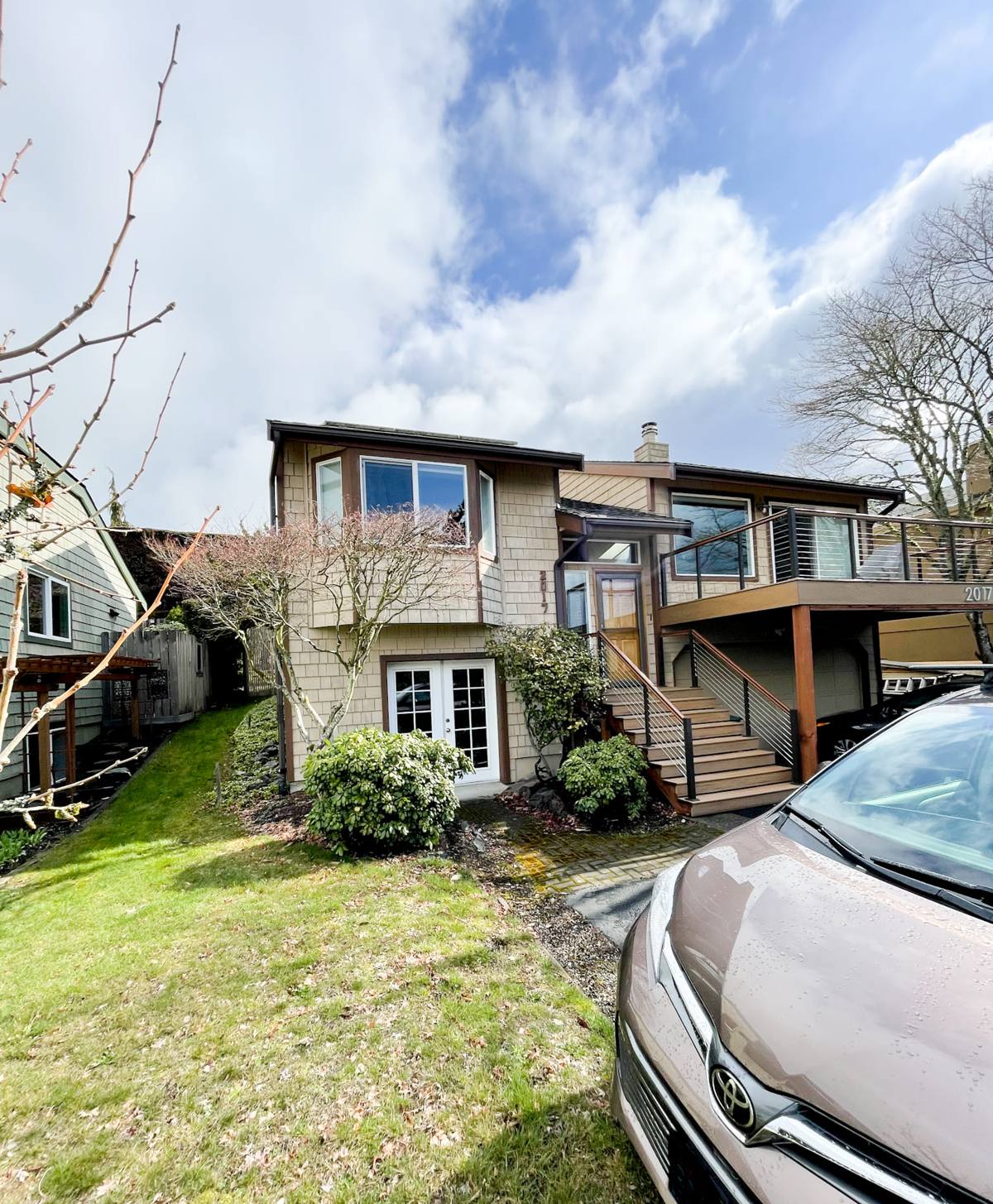
What Salt Air, Wind, and Moss Actually Do Over Time
Salt Air
Airborne salt is corrosive to metal components — hinges, cranks, balance systems, and some cladding finishes. It also tends to hold moisture against surfaces longer than plain humid air, which accelerates wear on seals and gaskets. Homes with a direct water view or exposure typically see this show up first on north- and west-facing windows.
Wind-Driven Rain
Standard rain testing assumes water falling mostly straight down. Wind-driven rain hits window assemblies at an angle and under pressure, which is exactly the condition that exposes weak flashing details, poorly lapped house wrap, or undersized weep systems. A window can be excellent on paper and still leak if it was installed as though the rain would always fall straight.
Moss Season
Whatcom County's wet, mild winters are ideal for moss growth on shaded roofs, north walls, and anywhere organic debris collects. Moss and the moisture it holds against a building don't attack glass, but they do degrade exterior trim, sills, and caulk lines around windows if those areas aren't kept clear. A window with poor drainage details will hold that moisture even longer.
Frame Material: What Holds Up on a Sandy Point Exposure
There's no single "best" frame material for every home — it depends on exposure, budget, and the look you want. Here's how the common options actually compare for this specific climate.
| Material | Salt/Moisture Behavior | Maintenance | Best Fit |
|---|---|---|---|
| Vinyl | Won't corrode or rust; seams and welds matter more than material itself | Low — occasional cleaning | Most Sandy Point homes, good value |
| Fiberglass | Excellent dimensional stability in temperature/moisture swings | Low | Direct water exposure, larger openings |
| Aluminum-clad wood | Good exterior protection but hardware/finish can be sensitive to salt over time | Moderate — finish and hardware need attention | Homes prioritizing a wood interior look |
| Solid wood | Most vulnerable to sustained moisture and salt without diligent upkeep | High | Sheltered exposures, historic character |
We don't push one material on every job. What we do insist on is being upfront about the maintenance trade-off that comes with each choice, especially for homes with real water exposure. A wood window can be the right call for the right homeowner — it just needs an honest conversation about what keeping it looking good will actually require here.
Glass and Weatherproofing Details That Matter in This Climate
Beyond frame material, a few glazing and hardware choices make a real difference on an exposure like Sandy Point's:
- Corrosion-resistant hardware — cranks, locks, and hinges rated for coastal or marine-adjacent use hold up longer than standard-grade hardware.
- Low-E, argon-filled dual or triple pane glass — helps with energy performance and reduces interior condensation, which matters through a wet, cool season.
- Proper weep hole placement and sizing — this is what lets water that gets into the frame track drain back out instead of sitting against the sash.
- Quality gasket and weatherstripping material — cheaper gaskets harden and lose their seal faster under repeated wet-dry cycling.
None of these are upgrades in the sense of being optional extras — for a home in this exposure, they're closer to baseline requirements. We spec them as standard on Sandy Point projects rather than treating them as a premium tier.
What a Correct Installation Actually Involves
Most window failures we get called out to inspect aren't glass or frame failures at all — they're installation failures. The window itself is fine; the flashing, sealing, or integration with the wall assembly wasn't done correctly. This matters even more on a wind-driven-rain exposure, because installation mistakes that would go unnoticed on a sheltered lot show up as active leaks on a waterfront one.
A correct installation includes:
- Removing the old window and inspecting the rough opening and sheathing for hidden moisture damage before anything new goes in.
- Installing flashing tape and a sloped sill pan so any water that reaches the opening drains back out and away from the wall assembly.
- Properly lapping house wrap or building paper over the top flashing, shingle-style, so water is always directed downward and outward — never trapped behind a seam.
- Setting the window level, plumb, and square, with shims that don't restrict drainage paths.
- Sealing with the right sealant for the substrate and exposure, not just whatever caulk is on the truck.
- Finishing exterior trim so that it sheds water rather than collecting it, with attention to any spots likely to hold moss or debris.
Skip any one of these steps and the failure may not show up for a year or two — by which point it's water damage to the wall, not just a window problem.
Our Process for a Sandy Point Window Project
Because we already work in this area, we start most Sandy Point estimates with a straightforward exterior and interior walkthrough — checking current window condition, looking for signs of past water intrusion, and noting the home's specific exposure (direct water view, tree cover, prevailing wind direction). From there:
- We walk through frame material and glazing options with the trade-offs specific to your home's exposure, not a generic sales pitch.
- We give a written scope and honest cost range before any work starts.
- We schedule around weather where possible, since opening up a wall assembly in the middle of a driving rain event is a bad idea for anyone.
- We handle flashing, sealing, and trim finish work to the standard described above on every unit, not just the "premium" ones.
- We clean up thoroughly and walk the finished job with you before calling it done.
Signs Your Current Windows Are Losing the Battle
A lot of window problems in this climate show up gradually. Worth checking for:
- Fogging or moisture between panes (a failed seal on insulated glass)
- Visible corrosion or stiffness in cranks, locks, or hinges
- Soft or discolored trim and sills, especially on north- or west-facing walls
- Drafts or a noticeable temperature difference near the window on windy days
- Moss or dark staining building up on sills or nearby siding
- Difficulty opening, closing, or latching a window that used to move freely
- Peeling or bubbling paint on interior or exterior trim around the frame
Any one of these on its own isn't necessarily an emergency, but a few of them together on the same window usually means it's past the point where caulk and weatherstripping will fix it.
Why It Matters to Hire a Crew That Already Works This Area
A crew that mainly works drier, more sheltered parts of Whatcom County can install a technically correct window and still miss details that matter specifically for a Sandy Point exposure — because those details aren't things they deal with every day. Knowing which direction the prevailing wind-driven rain tends to come from, how much salt exposure a given lot actually gets, and how long moss season really runs here changes decisions about hardware, flashing detail, and even scheduling. It's less about a certification and more about having actually done the work on homes with this exact set of conditions.
Keeping New Windows Performing Once They're In
Even a correctly installed, well-chosen window benefits from basic upkeep in this climate. Rinsing salt residue off frames and glass periodically, keeping weep holes clear of debris, clearing moss and organic buildup off sills and nearby trim before it holds moisture long-term, and checking hardware for stiffness once a year will meaningfully extend the life of the installation. None of it is complicated — it just needs to actually happen, which is easy to let slide on a busy household.
If you're dealing with drafty, foggy, or hard-to-operate windows on a Sandy Point property — or just planning ahead before the next wet season sets in — we're happy to come take a look. The estimate is free, there's no pressure, and you'll get a straight answer about what your home actually needs.