 Blaine Siding
 Why Ferndale Siding Takes a Beating
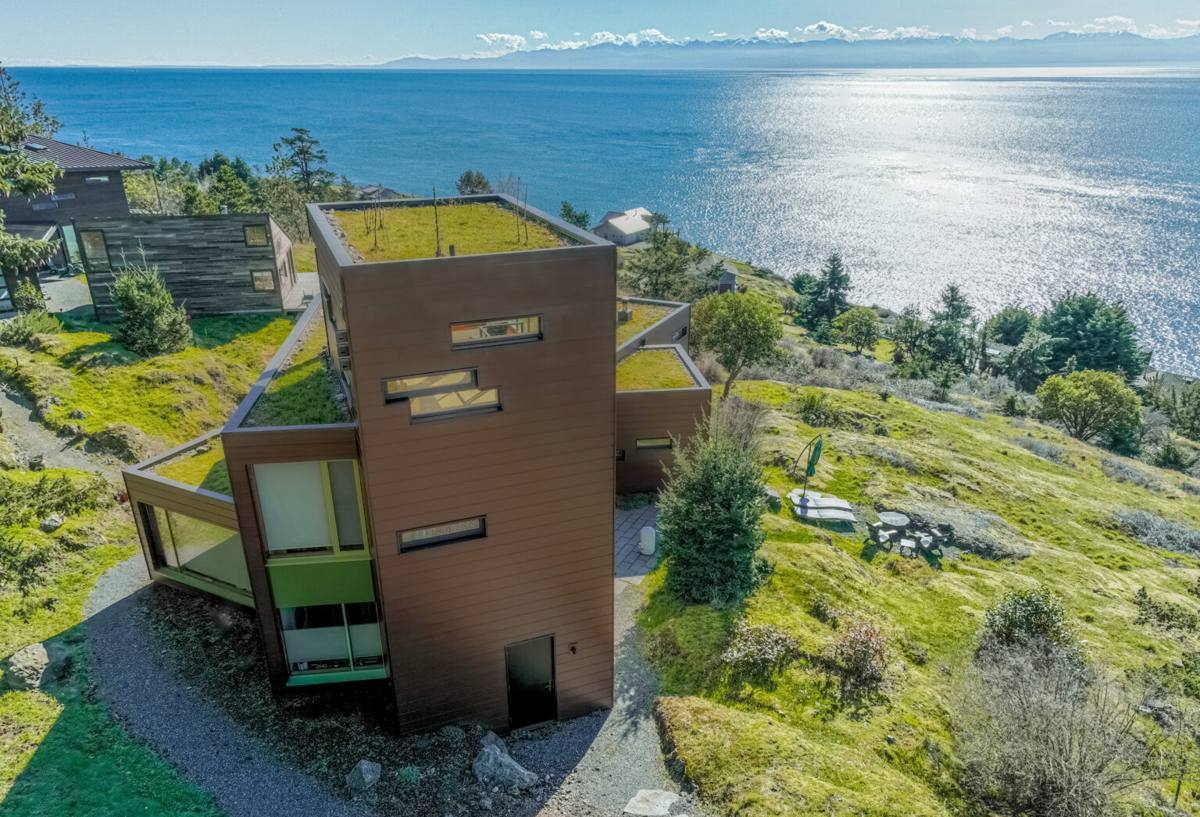
Ferndale sits close enough to the water and to Blaine's stretch of the Salish Sea coastline that homes here deal with a combination of stresses that inland Whatcom County houses simply don't see as often. Salt-laden air, long stretches of driving rain off the water, and a moss season that can run most of the year on shaded lots all work on siding at the same time. Individually, any one of these is manageable. Together, over enough years, they find every weak point in a wall assembly — the seams, the corners, the trim joints, the fastener heads.
A siding repair in this area isn't just about making a patch look right. It's about understanding which of these three forces caused the damage in the first place, because the fix is different depending on the cause.
Salt Air and Corrosion
Homes closer to the water pick up airborne salt that settles on siding, trim, and especially fasteners. Over time this accelerates corrosion in anything that isn't rated for coastal exposure — nail heads bleed rust streaks down the face of the siding, and steel trim pieces or flashing can fail years before they should. A repair that just re-covers the surface without addressing corroded fasteners or flashing underneath is a short-term fix.
Driving Rain and Moisture Intrusion
Whatcom County storms often come with wind, which pushes rain sideways into joints, laps, and penetrations that would stay dry in a calmer climate. Water doesn't need a big gap to get in — a hairline separation at a butt joint or a cracked bead of old caulk is enough. Once water gets behind the siding, it doesn't evaporate quickly in our climate, which is how a small entry point turns into a rot problem over a season or two.
Moss, Algae, and Shade
Ferndale has plenty of tree cover and north-facing walls that stay damp for days after a storm. That's ideal growing conditions for moss and algae, which hold moisture against the siding surface far longer than open, sunny walls do. Constant dampness softens caulk, degrades paint film, and — on the wrong substrate — can contribute to swelling or rot at the surface long before anyone notices a leak.
Signs Your Ferndale Home Needs a Siding Repair
Most siding problems give warning signs well before they become structural. Worth checking for, especially after a windy winter:
- Soft or spongy spots when you press on the siding, particularly near the bottom courses and around windows
- Visible cracking, buckling, or gaps opening up at butt joints and corners
- Rust staining running down from nail heads or trim fasteners
- Persistent moss or dark algae staining that keeps returning after cleaning
- Peeling or bubbling paint, especially on shaded or north-facing walls
- Discoloration or a musty smell on the interior side of an exterior wall
- Visible daylight or gaps around window and door trim
- Warped, delaminating, or crumbling siding at ground level or under downspouts
None of these mean the whole house needs new siding. But they do mean the area should be opened up and looked at, not just caulked over.
What a Correct Siding Repair Actually Involves
Diagnosing the Real Problem First
The most common mistake in siding repair is treating the visible symptom instead of the cause. Patching a stained or cracked panel without finding out why it failed just buys a year or two before the same spot fails again. A proper repair starts with pulling back enough material to see what's happening behind the siding — the house wrap, the flashing, the sheathing — before deciding what actually needs to be replaced.
Matching Materials and Finish
Repairs stand out when the replacement piece doesn't match the surrounding siding in profile, exposure, or color. On James Hardie's factory-finished ColorPlus products, this means sourcing the correct plank profile and matching finish rather than field-painting a patch and hoping it blends in over time. A mismatched repair is not just a cosmetic issue — it's usually a sign the crew didn't take the time to source the right materials.
Flashing and Water Management
Any repair that touches a joint, corner, window, or penetration needs the water management behind it addressed, not just the visible siding. That means correct flashing, properly lapped house wrap, and sealant used only where it belongs — sealant is not a substitute for flashing, and over-relying on caulk is one of the more common shortcuts that leads to repeat failures in a wet climate like ours.
Repair, Patch, or Replace?
Not every damaged area calls for the same scope of work. Part of doing this right is being honest about which category a given problem falls into.
| Approach | When It Fits | What's Involved | Considerations |
|---|---|---|---|
| Spot repair | Isolated damage — one cracked plank, minor impact damage, a single failed joint | Remove and replace the affected piece(s), correct any flashing issue found underneath | Fast and least disruptive, but only appropriate if the cause was isolated, not systemic |
| Section replacement | Damage clustered in one wall or area — often where moss, shade, or wind-driven rain concentrates | Remove a full section, inspect and repair sheathing/wrap as needed, re-side with matched material | Addresses a recurring problem area properly instead of chasing individual spots |
| Full re-side | Widespread failure, aging original siding, or repeated issues across multiple walls | Complete removal, full inspection of the wall assembly, new siding system installed to spec | Higher upfront cost, but resets the clock and eliminates patchwork long-term |
A trustworthy inspection will tell you honestly which category your situation falls into, rather than defaulting to whichever job is easiest to sell.
Why We Repair With James Hardie Only
We install and repair exclusively with James Hardie fiber cement siding — we don't install or patch with vinyl, LP SmartSide, Cemplank, Allura, or unfinished wood siding. When it comes to repair work specifically, that standard matters even more than it does on a fresh install. Hardie's ColorPlus factory finish is engineered to hold its color and resist the exact conditions Ferndale deals with — moisture cycling, UV exposure, and years of damp shade — far better than a field-painted patch on a different substrate. It's also non-combustible, which matters on any home, and it doesn't absorb and hold water the way wood-based products can, which matters a great deal in a climate where walls stay damp for extended stretches.
When we repair a home that already has Hardie siding, we can match the existing HZ product line and finish closely. When a home has a different siding product and needs significant repair, we'll say plainly if patching it further isn't the best long-term use of the money, and what replacing that section with Hardie would look like instead — no pressure, just the honest comparison.
Our Siding Repair Process in Ferndale
- Inspection. We walk the exterior, check moisture levels at suspect areas, and identify every spot that needs attention — not just the one that prompted the call.
- Open and assess. Where damage looks likely to extend behind the siding, we open the area to check the wrap, flashing, and sheathing before proposing a scope of work.
- Honest scope and estimate. We tell you whether it's a spot repair, a section, or something bigger, and why — in plain terms, with a written estimate.
- Repair to spec. Correct flashing, correct fastening for the exposure, matched Hardie material, and sealant used only where it belongs.
- Final check. We confirm the repair is watertight and that the finished appearance matches the surrounding siding before we call it done.
Why Hiring a Crew That Already Works Ferndale Matters
Knowing the Microclimate
A crew that repairs siding across Whatcom County regularly sees which walls in this specific area fail first — the shaded, north-facing sides that hold moss, the walls that catch wind-driven rain off the water, the trim details on homes from certain building eras that tend to need attention sooner. That pattern recognition shortens the diagnosis and reduces the chance of missing a related problem nearby.
Faster, More Reliable Follow-Through
Working locally in Blaine and Ferndale means we're not driving in from far away for a callback, a follow-up check, or a warranty question. That matters for repair work especially — the kind of job where being able to come back easily if something needs a second look is part of doing it responsibly.
Get an Honest Look at Your Siding
If you're seeing soft spots, staining, cracking, or recurring moss on your Ferndale or Blaine home, it's worth having someone look at it before winter's rain and wind do more damage underneath. We'll walk the exterior, tell you plainly what we find, and lay out your options — repair, section replacement, or otherwise — with no pressure either way. Request a free estimate using the form below and we'll get you scheduled.