 Blaine Siding
 Window Installation Built for Lynden's Weather, Not Just Its Style
Lynden homes take on a specific kind of weather load. You're close enough to the water to get salt-laden air moving through on a regular basis, far enough into Whatcom County to get long stretches of driving rain off the Pacific systems that roll through fall through spring, and shaded enough by mature trees and cloud cover in a lot of neighborhoods to grow moss on anything that holds moisture. Windows sit at the center of all three of those problems. They're penetrations in the wall envelope, they collect condensation, and their frames and trim are exactly the kind of surface moss and mildew like to colonize if water isn't shedding the way it should.
A window installation that looks fine on day one but wasn't detailed for this climate usually starts showing problems in year two or three — not from the window unit itself, but from what's happening around it. We install windows in Lynden and the surrounding Blaine area regularly, and most of the call-backs we see on other people's work trace back to flashing, sealant, or sill pan mistakes rather than a bad product.
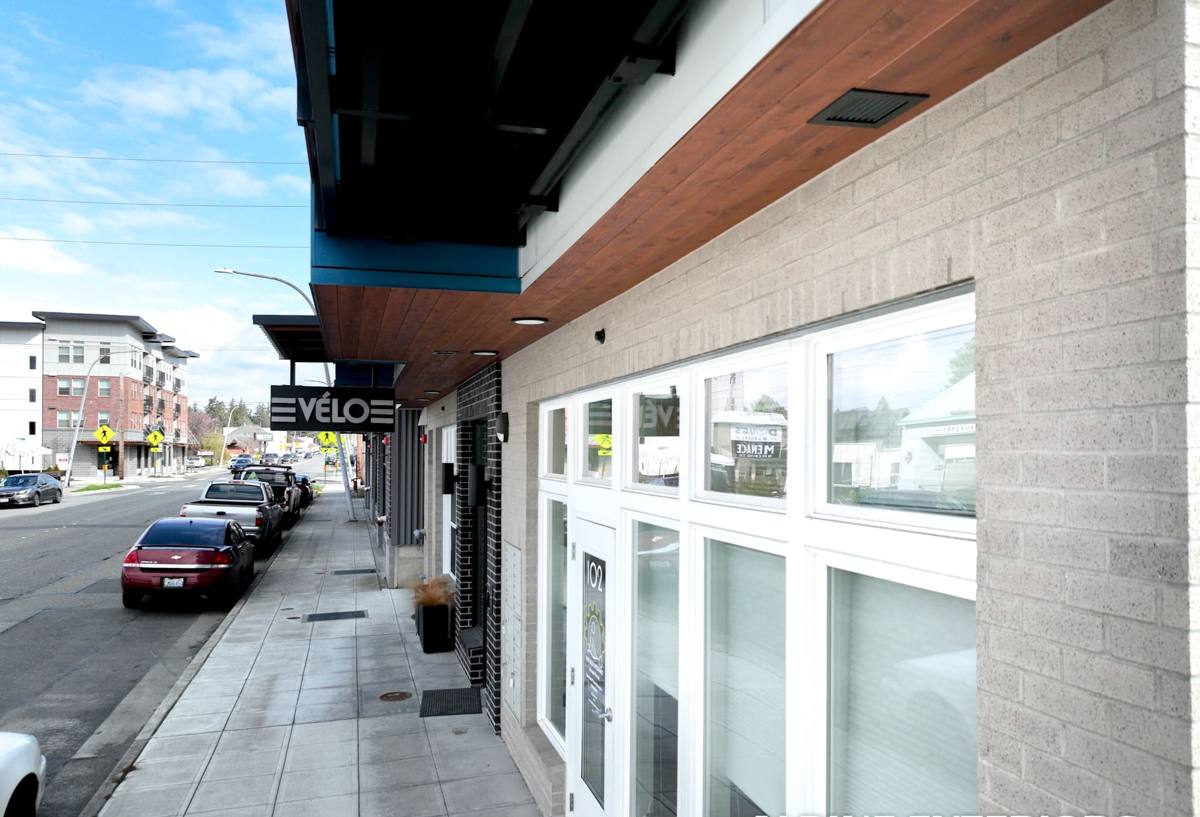
What Whatcom County Weather Actually Does to Windows Over Time
It helps to understand the failure pattern before you understand the fix. Around here, window problems tend to show up in a predictable order:
- Salt air corrosion: Airborne salt accelerates corrosion on hardware, screws, and unprotected metal flashing, even a few miles inland. Fasteners and flashing that aren't rated for it can start failing years before the window itself does.
- Driving rain intrusion: Wind-driven rain doesn't just fall on a window, it pushes sideways into any gap in the flashing or sealant. Standard installation practices that work fine in drier climates aren't always enough here.
- Prolonged dampness and moss: Shaded exteriors and long wet seasons mean any horizontal surface — a sill, a trim ledge, a nail fin — that holds water instead of shedding it becomes a growth site for moss and mildew, which then holds even more moisture against the wood or siding.
- Condensation cycling: Cool, humid air condensing on glass and frames repeatedly over a wet winter can, over years, find its way into any installation gap that wasn't properly sealed.
None of this means Lynden is a hard place to install windows correctly. It means the installation details that get skipped elsewhere — proper sill pans, correctly lapped flashing, the right sealant in the right place — aren't optional here. They're the difference between a window that lasts and one that causes a rot problem behind the wall five years later.
Signs a Lynden Home May Need New Windows
Homeowners usually notice one of these before they call:
- Visible fogging or moisture between the panes of a double- or triple-pane window (a sign the seal has failed)
- Drafts you can feel near the frame, especially during winter storms with sustained wind
- Soft or discolored wood trim around the window, or moss establishing itself on the sill or casing
- Windows that are difficult to open, close, or lock — often from frame warping or settling
- Noticeably higher heating bills that coincide with older, single-pane, or poorly sealed windows
- Visible gaps, cracked caulking, or daylight showing around the frame from inside
Any one of these is worth a look. Several together usually means the installation, not just the glass, has reached the end of its useful life.
What a Correct Window Installation Actually Involves
Swapping in a new window is the easy part. The work that determines whether it holds up in this climate happens around the opening, before the new unit ever goes in:
Removal and Opening Inspection
We remove the old window carefully and inspect the rough opening for hidden water damage, soft framing, or existing mold. In an area with as much rain exposure as Lynden gets, this step catches problems that would otherwise get sealed behind the new window and left to get worse.
Sill Pan and Flashing
A sloped sill pan gives any water that gets past the window a way out, instead of a place to pool. Flashing tape gets lapped in the correct shingle-style order — top piece over the sides, sides over the sill — so water is always directed outward and down, never trapped behind the siding.
Sealant and Fastening
We use sealants and fasteners rated to hold up to salt air and sustained moisture exposure rather than whatever is cheapest, since corroded fasteners and failed sealant are two of the most common causes of early leaks in this region.
Insulation and Air Sealing
The gap between the window frame and the rough opening gets insulated and air-sealed properly — not stuffed with excess fiberglass, which can actually hold moisture, but filled with a low-expansion foam or backer rod approach appropriate to the gap size.
Interior and Exterior Trim
Trim gets reinstalled or replaced with attention to caulking lines and paint-ready surfaces, since a poorly sealed trim joint is a common entry point for both water and, eventually, moss.
Window Material Comparison for This Climate
There's no single "best" window material for every home — it depends on your budget, your home's style, and how much upkeep you want to take on. Here's how the common options actually perform under Whatcom County conditions:
| Material | Moisture & Salt Air Performance | Maintenance | Typical Trade-Off |
|---|---|---|---|
| Vinyl | Good — won't corrode or rot, handles damp climates well | Low | Frame flexes less than fiberglass under expansion/contraction; color options limited |
| Fiberglass | Very good — dimensionally stable, resists moisture well | Low to moderate | Higher upfront cost than vinyl |
| Aluminum | Fair — durable but prone to condensation without a thermal break, and standard hardware can corrode in salt air without upgraded fasteners | Moderate | Best reserved for specific architectural styles or upgraded with a thermal break |
| Wood | Requires diligent upkeep — attractive but the most vulnerable to the rot and moss issues common in this climate if finish isn't maintained | High | Best for homeowners committed to regular refinishing |
| Wood-clad (wood interior, vinyl/aluminum-clad exterior) | Good — exterior cladding shields the wood from direct weather exposure | Low to moderate | Higher cost than plain vinyl, but reduces the exterior maintenance burden |
We install across this range depending on what a home needs. Our general standard is that whatever material goes on the exterior-facing side of your window should be able to shed water and resist moss without a repainting or refinishing schedule you'll actually forget about — because in this climate, deferred maintenance shows up fast.
Our Installation Process, Start to Finish
- On-site assessment: We look at your existing windows, the condition of the openings, and any signs of moisture or moss already present before recommending anything.
- Honest options: We walk through material and style options with the real trade-offs for your home and budget — not a single upsell pitch.
- Measurement and ordering: Openings are measured precisely; ill-fitting windows are one of the most common causes of early sealant failure.
- Removal and opening prep: Old units come out, openings are inspected and repaired if needed, and sill pans and flashing go in before the new window does.
- Installation: The new window is set, shimmed level and square, fastened, insulated, and sealed to our standard.
- Trim and finish: Interior and exterior trim is completed and finished cleanly.
- Walkthrough: We check operation, locks, and seals with you before calling the job done.
Why a Crew That Already Works in Lynden Makes a Difference
General contracting knowledge gets you a window that's installed. Local knowledge gets you a window that's installed for the conditions it will actually face. A crew that regularly works Lynden and the broader Blaine area already knows which fastener grades hold up to the salt air moving in off the water, which flashing details actually stand up to a full wet season of driving rain, and which trim setups tend to grow moss versus which shed water and stay clean.
That familiarity also shows up in smaller ways — knowing what a typical Whatcom County rough opening looks like on homes of different ages, recognizing early moisture damage before it's obvious, and not treating every job like it's the first time we've dealt with this specific weather pattern.
What to Ask Before You Hire Anyone for Window Installation
- Do you install a sloped sill pan and shingle-lap the flashing, or just caulk around the frame?
- What fastener and flashing materials do you use, given the salt air exposure this area gets?
- Will you inspect the rough opening for existing water damage before installing the new window?
- What warranty covers the installation itself, separate from the manufacturer's product warranty?
- Can you explain the trade-offs between the window materials you're recommending, rather than pushing one option?
- Do you clean up and haul away the old windows and debris?
A contractor who can answer these clearly and specifically, without hedging, is one who's actually done this work in this climate before — not just read about it.
Get a Free, No-Pressure Estimate
If your Lynden home has windows showing drafts, fogging, soft trim, or moss creeping in around the frames, it's worth a straightforward look before those small issues turn into a bigger repair. Fill out the form below for a free estimate — no pressure, no obligation, just an honest assessment of what your windows need and what it would take to fix it right.