 Blaine Siding
 Windows Built for Point Roberts' Particular Climate
Point Roberts sits on its own peninsula at the southern tip of Boundary Bay, surrounded on three sides by water and cut off by land from the rest of Whatcom County. That geography means homes here take a steady beating from salt-laden marine air, wind-driven rain off the Strait of Georgia, and a damp season that can stretch from October well into spring. Windows that would hold up fine twenty miles inland often show their age early out here — swollen sashes, foggy glass, corroded hardware, and drafts that show up long before a homeowner expects to be shopping for replacements.
Energy-efficient windows matter in Point Roberts for two reasons at once: comfort and protection. A well-sealed, properly rated window keeps heating and cooling costs down through the region's mild but persistent damp cold. Just as important, the right frame material and installation detailing keep moisture and salt air from working their way into the wall assembly in the first place. Treating this as purely an "energy bill" project misses half the job.
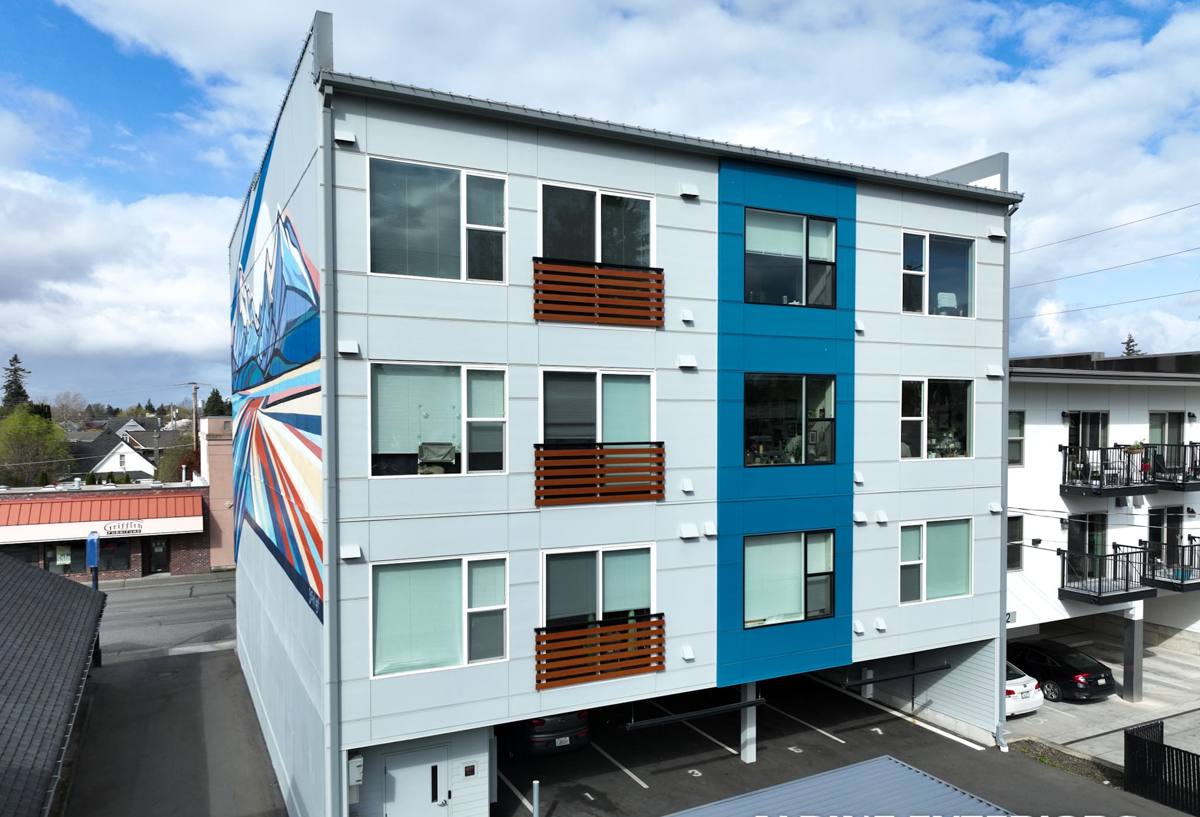
How Local Conditions Wear Down Windows
Salt Air and Corrosion
Airborne salt from the surrounding water settles on glass, frames, and — most damagingly — hardware. Cheaper fasteners, hinges, and locking mechanisms corrode faster here than in a typical inland Whatcom County home. Once hardware starts to bind or pit, seals stop compressing evenly and a window that was airtight on day one starts leaking air within a few seasons.
Driving Rain
Storms coming off the water tend to arrive sideways rather than straight down. That means rain gets pushed hard against window faces and up under trim and sills, testing flashing and sealant details that a calmer climate would never stress. A window that's rated well but installed with shortcuts on flashing will eventually let water in around the frame, not through the glass.
Moss and Prolonged Dampness
The long wet season keeps wood trim, sills, and cladding damp for extended stretches, which is exactly the environment moss and mildew need to take hold. Moss holding moisture against wood trim or wood-based sills accelerates rot around window openings, which in turn undermines the seal and insulation performance of even a good window.
Signs Your Current Windows Are Underperforming
- Visible condensation or fogging between the panes of a double-pane window (a sign the seal has failed)
- Drafts you can feel near the frame on a windy day, even with the window latched
- Sashes that stick, don't latch fully, or have visibly corroded hardware
- Soft or discolored wood trim or sill material around the window opening
- Noticeably higher heating bills in units facing the water or prevailing wind
- Paint or finish failing faster on window trim than on the rest of the exterior
What "Energy-Efficient" Should Mean Here
Ratings on a window label are only useful if they're matched to the actual climate. Whatcom County's marine west coast conditions call for a different balance than a hot, dry climate would.
U-Factor
This measures how well the window resists heat loss — lower is better. For a coastal Washington home dealing with persistent damp cold rather than deep freezes, a solid mid-to-low U-factor window paired with good installation typically outperforms chasing the absolute lowest number on the spec sheet at the expense of everything else.
Solar Heat Gain Coefficient (SHGC)
This measures how much solar heat passes through the glass. Point Roberts doesn't get the intense summer sun some other regions do, so SHGC is less critical here than U-factor, but orientation still matters — south and west-facing rooms benefit from a slightly lower SHGC to avoid overheating on the clearer days the region does get.
Low-E Coatings and Gas Fills
A quality low-emissivity coating and an argon or krypton gas fill between panes both improve insulating performance without changing how the glass looks. These are worth paying for on a coastal home where the window is doing double duty — insulating and standing up to weather.
Frame Material: What Actually Holds Up Near the Water
This is where a lot of the long-term performance difference gets decided, and it's worth thinking through honestly rather than defaulting to whatever's cheapest.
| Frame Material | Salt Air / Moisture Behavior | Maintenance | Typical Lifespan |
|---|---|---|---|
| Vinyl | Won't corrode; can become brittle with age and UV exposure | Low — occasional cleaning | 20–30 years |
| Fiberglass | Excellent — dimensionally stable, resists moisture and salt well | Low | 30–40+ years |
| Wood (uncladded) | Poor without diligent upkeep — vulnerable to rot in this climate | High — regular painting/sealing required | Varies widely with maintenance |
| Wood with aluminum or fiberglass cladding | Good — cladding shields wood from direct moisture exposure | Moderate — interior wood still needs attention | 25–35 years |
We steer most Point Roberts clients away from uncladded wood frames on exposed elevations — not because wood is a bad material, but because the maintenance schedule needed to keep it sound in this much sustained dampness is more than most homeowners want to sign up for. Vinyl and fiberglass, or properly clad wood, generally make more sense as the primary exposure faces the water or prevailing wind.
Installation Details That Matter More Here Than Elsewhere
A high-rated window installed poorly will underperform a mid-rated window installed correctly. In a driving-rain climate, the installation details are where most failures actually originate.
- Flashing sequencing — the sill pan, side flashing, and head flashing need to be layered so water is always directed outward and down, never trapped behind the window.
- Sealant selection and placement — the right sealant in the right location, with weep paths left open so any water that does get behind the trim can drain back out.
- Fastener and hardware choice — corrosion-resistant fasteners and hardware, especially on elevations that face the water directly.
- Insulation of the rough opening — gaps around the frame filled correctly, without over-packing insulation that can compress and lose its R-value.
- Interior and exterior trim sealing — both sides finished so air and moisture aren't just blocked outside but also managed on the interior face.
Our Process
We keep the process straightforward and don't push products that don't fit the house:
- On-site assessment — checking existing window condition, framing, and any moisture or rot already present around openings
- Product recommendation — matched to the home's exposure, orientation, and budget, not a one-size-fits-all package
- Written estimate — clear on materials, labor, and what's included, no surprise add-ons after the fact
- Removal and installation — old windows removed, openings inspected and repaired as needed, new windows flashed and sealed to the standard above
- Site cleanup and walkthrough — every opening checked with you before we consider the job done
Why a Crew That Already Works in Point Roberts Matters
Point Roberts is unusual: it's a U.S. exclave, and getting crews, materials, and equipment there means crossing the border twice each way through Canada. A contractor who doesn't already have that logistics figured out can turn a simple project into a scheduling headache — delayed start times, missed appointment windows, or crews unfamiliar with the crossing requirements showing up late or not at all.
We already build our scheduling around this reality. That means fewer surprises for you, predictable arrival times, and a crew that isn't learning the local drill on your job. It also means we're familiar with the housing stock in the area — a mix of long-time year-round homes and properties originally built for weekend or seasonal use — and how that history affects what's behind the existing trim before we ever pull a window out.
Questions Worth Asking Before You Hire
- Are you licensed and insured to work in Whatcom County?
- Do you have experience getting crews and materials to Point Roberts on schedule?
- What warranty covers the window itself versus the labor and installation?
- Will you inspect and repair any rot or damage found around the opening before installing the new window?
- Can you walk me through the flashing and sealing approach you'll use on this specific house?
- What frame material do you recommend for my home's exposure, and why?
Protecting the Investment After Installation
Even a well-installed, well-rated window benefits from a little seasonal attention in this climate. Rinsing salt residue off frames and glass a few times a year, keeping weep holes clear of debris and moss, and checking exterior caulking annually for cracking all extend the life of the installation. None of this is demanding work, but skipping it is how a 30-year window turns into a 15-year window.
If your windows are drafty, fogged, or just past their prime, we're happy to take a look and give you a straightforward, no-pressure estimate — no obligation, just an honest read on what your home actually needs. Use the form below to get started.