 Blaine Siding
 Point Roberts' Climate Puts Real Demands on Exterior Siding
Point Roberts sits on its own peninsula at the southern tip of the Tsawwassen headland, surrounded by water on three sides and cut off from the rest of Washington State by land. That geography is part of what makes it a special place to live, but it also means homes here take a harder hit from the weather than most inland properties in Whatcom County. Wind off the Strait of Georgia carries salt spray onto exterior walls, driving rain gets pushed sideways into siding seams and trim joints, and the long Pacific Northwest wet season keeps north- and shade-facing walls damp for weeks at a time. Siding that would hold up fine forty miles inland can fail early out here if it isn't chosen and installed with this specific exposure in mind.
We install siding across Blaine and the surrounding Whatcom County waterfront communities, and Point Roberts is one of the more demanding environments we work in. This page focuses specifically on what siding installation for a Point Roberts home needs to get right — the product, the detailing, and the process — not siding installation in general.
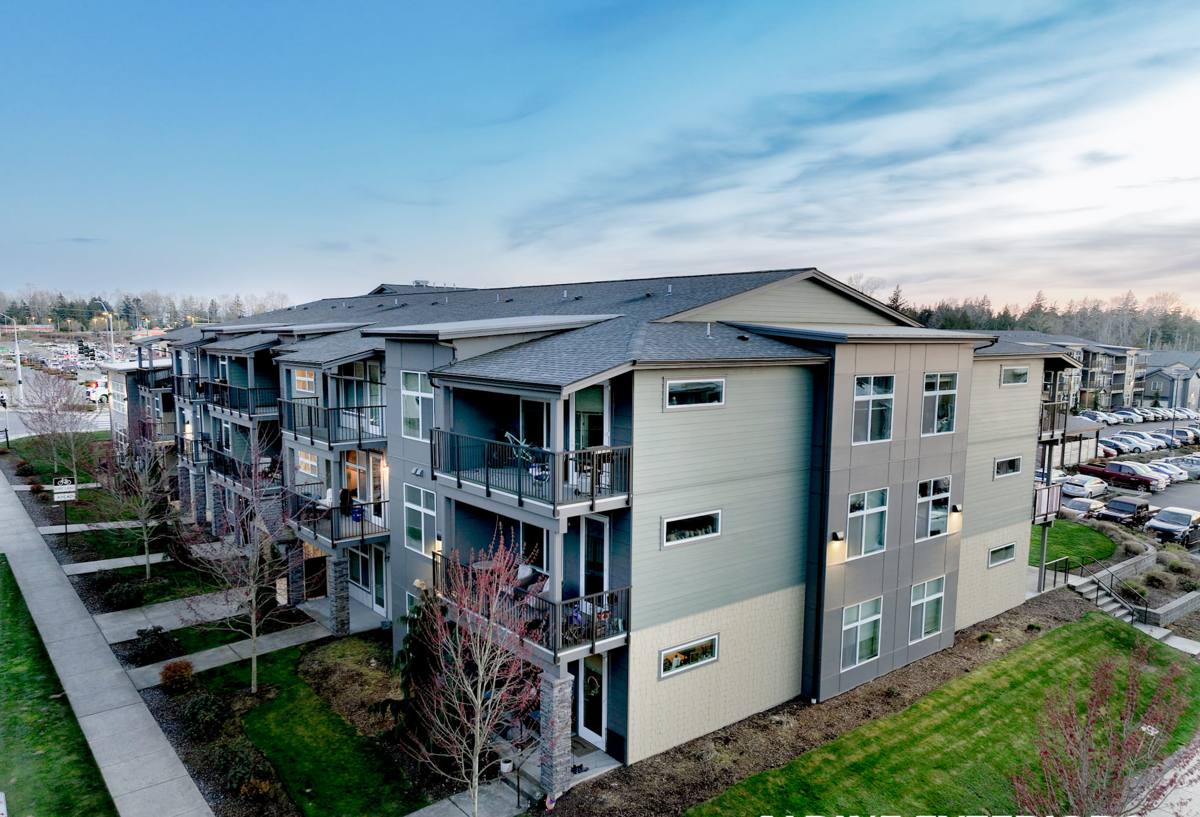
Salt Air and Wind-Driven Rain: The Two Biggest Threats
Salt-laden air is corrosive to a lot of the hardware that holds a siding system together. Fasteners, flashing, and trim accessories that aren't rated for coastal exposure can start corroding years before the siding material itself shows any wear, and once fasteners fail, the siding they're holding starts to fail too. On a peninsula home, every wall is effectively a coastal wall — there's no "sheltered side" the way there might be on a property set back from the water.
Wind-driven rain is the second problem, and it's a different kind of threat. Instead of water running down a wall and off the bottom, storms here can push rain sideways and even upward into laps, joints, and penetrations. Siding that relies on face-sealing — caulk and paint doing the work of keeping water out — tends to struggle in this kind of weather once the sealant ages. What actually holds up is a system built around drainage: a design that assumes some water will get behind the cladding and gives it a clear path to escape, rather than one that bets everything on a perfect seal that has to last decades without maintenance.
Moss, Moisture, and the Long Wet Season
Whatcom County's marine climate means long stretches of overcast, damp weather, and Point Roberts gets that in full measure plus the added humidity of being surrounded by water. Moss and algae growth on siding isn't just cosmetic — it holds moisture against the surface longer than bare siding would, and on shaded or north-facing walls that never get direct sun to dry out, that moisture cycle repeats for months at a stretch. Materials that absorb water or swell when wet are the ones that suffer most under this pattern. Fiber cement doesn't swell, rot, or feed moss the way wood-based products can, which matters a great deal on a site where a wall might stay damp from October through April.
Why We Only Install James Hardie Fiber Cement Here
We standardized on James Hardie fiber cement siding for every home we work on, including Point Roberts, and we don't install vinyl, LP SmartSide, cedar, primed spruce, Cemplank, or Allura. That's not a marketing position — it's a decision based on how these products actually perform in this specific climate over the long run.
Vinyl siding can crack in freezing temperatures and warp under sustained heat, and its seams and J-channels rely on lap joints that aren't designed to resist sustained wind-driven rain the way a properly detailed fiber cement system is. Wood-based products, including engineered wood siding like LP SmartSide, use wood fiber as their base material — even with treatments and coatings, wood fiber is the one thing that reliably loses a long fight against sustained coastal moisture and moss. Cedar and primed spruce carry that same vulnerability in a more traditional form, plus the ongoing maintenance burden of repainting and resealing that a damp, shaded, salt-air site accelerates.
James Hardie fiber cement is non-combustible, doesn't swell or rot from moisture exposure, and holds its factory-applied ColorPlus finish far longer than field-applied paint on wood or vinyl. Hardie also engineers specific formulations for different climate zones — homes in this part of the Pacific Northwest, with regular freezing temperatures combined with high moisture exposure, fall into Hardie's HZ5 climate zone designation, and we install the product line matched to that zone rather than a one-size-fits-all board. The transferable warranty backing the product only holds up if installation follows Hardie's published specifications, which is the other half of getting this right.
What Homeowners Give Up With Other Products
- Vinyl: lower upfront cost, but limited resistance to wind-driven rain intrusion at seams and no real defense against impact damage from wind-blown debris off the water.
- LP SmartSide and other engineered wood: good appearance and workability, but wood-fiber core means edge sealing and caulking maintenance become non-negotiable in a climate this damp.
- Cedar and primed spruce: attractive, traditional look, but the highest ongoing maintenance burden of any option — repainting, sealing, and moss treatment on a recurring cycle.
- Cemplank and Allura: also fiber cement, but we standardized on one manufacturer's system, warranty terms, and factory finish rather than mixing products across jobs.
What a Correct Installation Actually Involves
Fiber cement siding is only as good as the assembly it's installed into. On a site with this much moisture exposure, the details behind the siding matter as much as the board itself.
A Drainage Plane, Not Just a Weather Barrier
Correct installation starts with a water-resistive barrier and, on most Point Roberts homes, a rainscreen or drainage gap behind the siding. That gap lets any moisture that gets past the cladding drain and dry out instead of sitting against the wall sheathing. On a home exposed to sideways rain from three directions, this drainage layer is what actually protects the wall assembly — the siding face is the first line of defense, not the only one.
Flashing at Every Penetration
Windows, doors, hose bibs, vents, and any other wall penetration need properly lapped flashing so water is directed out and down, never into the wall cavity. This is one of the most common places we find shortcuts on older installations, and it's usually where the earliest damage shows up.
Fasteners, Fastening Patterns, and Clearances
We use corrosion-resistant fasteners appropriate for coastal exposure and follow Hardie's specified nailing patterns and joint treatment exactly — over-driven or under-driven fasteners are a common cause of premature siding failure. Manufacturer-specified clearances from grade, roofing, and decking are also maintained so the bottom edge of the siding isn't sitting in standing water or trapped moisture from a deck or patio surface.
| Detail | Why It Matters in Point Roberts |
|---|---|
| Rainscreen / drainage gap | Lets wind-driven rain that penetrates the surface drain and dry instead of soaking into sheathing |
| Corrosion-resistant fasteners | Salt air accelerates corrosion of standard hardware, leading to early loosening and staining |
| Proper flashing at penetrations | Prevents water intrusion at the most common failure points on any home |
| Manufacturer-specified clearances | Keeps siding out of standing moisture from grade, roofing, or decking |
| Correct fastening pattern | Preserves the manufacturer's structural and warranty specifications |
Our Process for Point Roberts Siding Projects
- On-site assessment: we look at existing siding condition, wall exposure to prevailing wind and rain, moisture or moss patterns, and any trim or flashing issues before quoting anything.
- Scope and product selection: we confirm the Hardie product line, profile, and ColorPlus finish, and outline what the assembly behind the siding will look like.
- Removal and inspection: old siding comes off and we inspect the sheathing and framing underneath for any moisture damage that needs to be addressed before new siding goes on.
- Water-resistive barrier and drainage plane installation: this layer goes on before a single piece of siding does.
- Flashing at all penetrations: windows, doors, and wall penetrations are flashed and integrated with the barrier system.
- Siding installation to manufacturer spec: correct fastening, clearances, and joint treatment throughout.
- Final walkthrough: we review the finished work with the homeowner before considering the job complete.
What Siding Installation Costs Depend On
Every home is different, so we don't quote a number until we've seen the site, but the main cost drivers on a Point Roberts project are generally consistent.
| Factor | How It Affects Cost |
|---|---|
| Home size and wall complexity | More corners, dormers, and trim detail mean more labor and material cuts |
| Condition of existing sheathing | Moisture-damaged sheathing found during removal adds repair scope |
| Siding profile and finish selection | Lap width, texture, and ColorPlus color affect material pricing |
| Access and site logistics | Waterfront lots, limited staging space, and ferry or crossing logistics can affect scheduling and mobilization |
| Trim and accessory scope | Fascia, soffit, and trim replacement alongside siding adds to the total project |
Why Hiring a Crew That Already Works in Point Roberts Matters
Point Roberts is a U.S. exclave — getting a crew, equipment, and materials there means crossing an international border each way, which most general contractors based elsewhere in Whatcom County simply don't plan for well. A crew that hasn't worked the area before often underestimates how that affects scheduling, delivery timing for materials, and day-to-day logistics on site. We've done projects out here before, so border crossing and material staging are built into how we plan the job rather than something that causes delays partway through.
Beyond logistics, familiarity with the specific exposure this peninsula gets — the salt air, the wind direction during storms, the shaded walls that never fully dry out — shapes real decisions on the job, from where extra flashing attention goes to which walls need the most drainage capacity. That's the kind of judgment that comes from having actually installed siding on homes in this exact environment, not from a general specification sheet.
Caring for Your New Siding
James Hardie fiber cement is low-maintenance compared to wood or vinyl, but a few simple habits help it perform at its best in this climate:
- Rinse siding periodically to remove salt residue and organic buildup, especially on walls facing prevailing wind and shaded areas prone to moss.
- Keep gutters and downspouts clear so roof runoff isn't dumping extra water onto siding or foundation areas.
- Trim back vegetation and tree cover that keeps walls shaded and damp longer than necessary.
- Inspect caulking at trim joints and penetrations annually and have any gaps resealed promptly.
- Address any impact damage or chipped finish quickly rather than letting exposed edges sit through a wet season.
If you're planning a siding project on a Point Roberts home, we're happy to take a look and walk you through what your home's specific exposure calls for. There's no pressure and no cost to get an honest assessment and an estimate — the form below is the easiest way to get started.