 Blaine Siding
 Window Replacement Built for Semiahmoo's Coastal Exposure
Homes along the Semiahmoo Spit and the shoreline of Semiahmoo Bay sit in one of the more demanding window environments in Whatcom County. It isn't one thing that wears windows out here — it's the combination. Salt-laden air off the bay works on metal hardware and finishes year-round. Wind-driven rain off the Strait pushes water sideways into gaps that would stay dry a few miles inland. And the long, damp shoulder seasons that stretch from fall through spring keep everything shaded green with moss and algae longer than it dries out. A window that's a fine fit for a sheltered inland lot can fail early out here if it wasn't chosen and installed with this exposure in mind.
This page is about one job in one place: replacing windows on homes in and around Semiahmoo. Not a general product pitch — the specific problems this location creates, what a correct replacement actually involves, and what to expect if you hire us to do it.
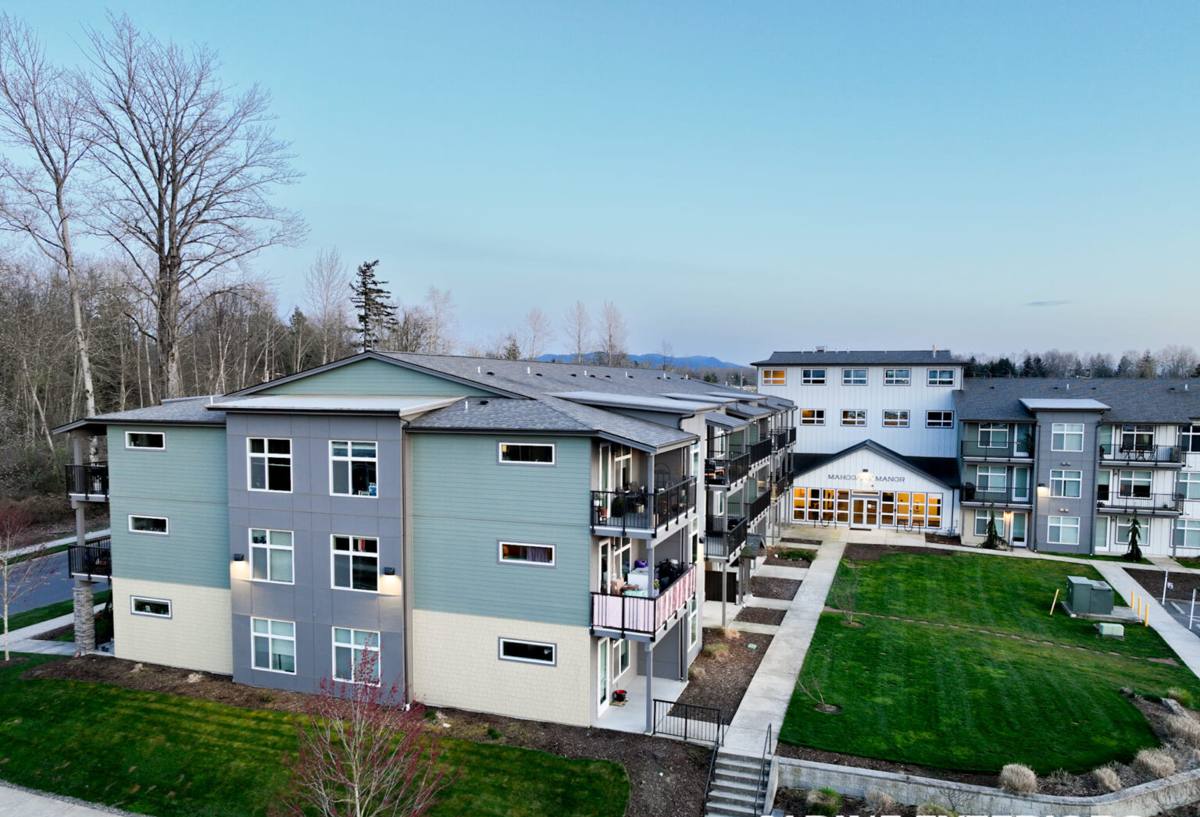
What Salt Air, Rain, and Moss Actually Do to Windows
Salt Air and Hardware
Airborne salt is corrosive to unprotected or lower-grade metal. Over years it attacks screws, hinges, balances, and cranks, and it can dull or pit finishes on aluminum and lower-quality vinyl trims. Windows near the water need hardware and fasteners rated for coastal or marine exposure, not standard interior-grade components that happen to be used on the exterior.
Driving Rain and Wind Pressure
Storms off the water don't just drop rain straight down — they push it horizontally into any seam, gap, or undersized flashing detail. A window can look fine and still leak, because the water intrusion is happening behind the trim, inside the wall cavity, where you won't see it until there's rot, mold, or a stain on the interior sill or drywall below.
Moss, Algae, and Prolonged Moisture
Whatcom County's moss season runs long, and shaded or north-facing walls near the water rarely get a real chance to dry between weather systems. Moss and algae hold moisture against wood trim, sills, and caulked joints, which accelerates rot in wood components and breaks down cheap sealants faster than the manufacturer's stated lifespan. Windows here need materials and details that tolerate sustained dampness, not just occasional rain.
Signs a Semiahmoo Home Needs Window Replacement, Not Just Repair
Some window problems are genuinely fixable with a repair — a failed balance, a cracked pane, a worn weatherstrip. Others are signs the window itself, or the way it was installed, has reached the end of its useful life. Look for:
- Fogging or a visible haze between panes — the seal on the insulated glass unit has failed and moisture is trapped inside
- Soft, spongy, or discolored wood at the sill or lower frame corners
- Visible moss, algae, or persistent black staining on frames or trim that doesn't clean off and comes back quickly
- Drafts or cold spots near the frame even with the window fully latched
- Windows that are difficult to open, close, or lock — swollen frames or worn hardware
- Paint or finish that keeps failing on the same window no matter how often it's touched up
- Visible daylight or gaps around the frame from outside
- A noticeable rise in heating costs with no other explanation
If you're seeing more than one or two of these on a window facing the water or prevailing weather, replacement is usually the more honest recommendation than another round of caulk and patch.
What a Correct Window Replacement Involves Here
Full-Frame vs. Insert Replacement
Insert (pocket) replacement — installing a new window inside the existing frame — is faster and less invasive, and it's a reasonable option when the existing frame is still sound, square, and dry. But on a coastal home where water intrusion or rot is suspected around the opening, an insert just seals a problem behind new glass instead of fixing it. Full-frame replacement removes the window down to the rough opening so we can actually see and address what's happening in the wall. On exposed Semiahmoo elevations, we lean toward checking the opening thoroughly before deciding which approach is appropriate — the right call depends on the condition we find, not a default preference.
Flashing and Water Management
This is the part of the job that matters most and shows the least once it's done. Proper flashing — sill pan, jamb flashing, and head flashing, integrated correctly with the home's weather-resistive barrier — is what actually keeps wind-driven rain out of the wall over the next twenty years. A window can be an excellent product and still fail early if it's set into an opening without correct flashing and drainage. We treat this as the non-negotiable part of the install, not an upsell.
Sealing and Insulation
Around the frame, gaps get filled with low-expansion foam or backer rod and sealant rated for exterior use — not just caulked at the trim and called done. The goal is a continuous air and water barrier from the rough opening to the finished trim, with no hidden gaps that show up as a draft or a leak later.
Choosing Frame Materials for Salt Air and Wind Exposure
There's no single "best" window material for every situation, but some perform more predictably than others in a marine environment. Here's how the common options compare for a Semiahmoo-type exposure:
| Frame Material | Coastal Exposure Behavior | Maintenance Burden |
|---|---|---|
| Vinyl | Doesn't corrode or rust; quality varies widely by manufacturer and welded corners | Low — occasional cleaning |
| Fiberglass | Very stable in temperature swings and humidity; strong resistance to warping | Low |
| Wood (unclad) | Handsome, but vulnerable to prolonged dampness and moss in shaded, damp exposures | High — regular painting/sealing |
| Wood-clad (aluminum or vinyl exterior) | Good if cladding and flashing details are done correctly; weak point is the joinery | Moderate |
| Aluminum | Strong and slim sightlines, but conducts cold and can show pitting near salt air without a marine-grade finish | Moderate |
For most homes directly exposed to the bay or prevailing wind, we steer clients toward vinyl or fiberglass for the exterior-facing frame, specifically because they don't rely on a coating or finish to resist corrosion. That's a maintenance and moisture-behavior judgment, not a knock on any particular manufacturer — every material has a place, and the right choice depends on your home's exposure, style, and budget.
Glass Packages Worth Considering
Beyond frame material, the glass package matters for comfort and condensation control. Low-E coatings help manage heat loss through our cool, wet winters, and argon-filled double-pane units are the standard baseline for this climate. Triple-pane is worth discussing on north-facing or heavily exposed elevations where wind chill and condensation resistance matter more, but it adds cost and weight, and isn't automatically the right call for every opening.
Our Process, Start to Finish
1. On-Site Assessment
We look at each opening individually — frame condition, evidence of past water intrusion, sill pitch, and how exposed that particular elevation is to wind and rain off the water. Two windows on the same house can need different recommendations.
2. Straightforward Estimate
You get a clear, written estimate covering materials, labor, and scope — full-frame versus insert, flashing work involved, and what happens if we open a wall and find rot or damage that changes the plan. No surprise change orders sprung on you mid-job.
3. Installation
Old windows come out, openings get inspected and, where needed, repaired before anything new goes in. Flashing, sealing, and insulation are done to the standard described above, then the new window is set, shimmed plumb and square, and finished inside and out.
4. Cleanup and Walkthrough
We haul away the old windows and job debris and walk the finished openings with you before we call it done — operation, locks, and finish, checked together.
What Window Replacement Typically Costs in This Area
Every home and opening is different, so a real number only comes from an on-site look. In general terms, cost is driven by a handful of factors:
| Factor | Why It Moves the Price |
|---|---|
| Full-frame vs. insert replacement | Full-frame involves more labor and often exterior trim work |
| Frame material and glass package | Vinyl, fiberglass, and wood-clad options price differently; triple-pane costs more than double |
| Number and size of openings | Larger or custom-sized windows cost more than standard sizes |
| Condition behind the existing window | Rot, prior water damage, or out-of-square framing adds repair scope |
| Access and elevation | Upper-floor or hard-to-reach openings take more time and equipment |
Rather than quote a generic per-window number that may not reflect your home, we'd rather assess the actual openings and give you real figures.
Why a Locally Experienced Crew Matters for This Job
A crew that already works homes along Semiahmoo Bay and the surrounding Blaine coastline has already seen how this specific stretch of Whatcom County weather behaves — where wind-driven rain hits hardest, which elevations stay damp and mossy longest, and what installation details hold up versus what fails early. That's different from general contracting experience inland, where the exposure and moisture load simply aren't the same. Local experience also means faster response if you need us back for a warranty check or a question after the install, and a crew that understands permitting and inspection norms for Blaine and Whatcom County rather than learning them on your project.
Keeping New Windows Performing Through Moss Season
A correctly installed window on the right materials still benefits from a little upkeep in this climate:
- Rinse salt residue and grime off frames and glass periodically, especially on bay-facing elevations
- Keep gutters and nearby drainage clear so water isn't sheeting down over window heads
- Check exterior caulk lines once a year and touch up before gaps open up into leaks
- Trim back vegetation or anything holding shade and moisture directly against a window
- Operate locks and hardware periodically through the winter so mechanisms don't seize
None of this is heavy maintenance — it's the difference between a window that looks and performs well at year fifteen and one that needed early attention because moisture was left to sit.
If your Semiahmoo home has windows showing any of the signs above, or you're simply ready to stop fighting drafts, fogging, or moss stains every season, we're glad to take a look. Fill out the form below for a free, no-pressure estimate — we'll assess your actual openings and give you straight answers before any work is scheduled.