 Blaine Siding
 Windows Built for Sumas Weather, Not Just Sumas Style
Sumas sits close enough to the water and the Whatcom County lowlands that homes here take on the same weather punishment as the rest of the region: salt-tinged air moving in off the Strait, driving rain that comes sideways more often than straight down, and a moss season that can stretch from October clear into May. Windows are one of the first places that shows up. A window that looks fine from the curb can be quietly failing at the seals, the flashing, or the glass unit itself, and by the time you notice fogging or a draft, moisture has usually already been getting into the wall behind it for a while.
Custom windows done right in this area aren't just about picking a style you like. They're about matching the frame material, the glass package, and the installation detail to a climate that never really dries out. That's the lens we bring to every window job in Sumas — the trim, the flashing, and the product itself all have to work together, not just look good on install day.
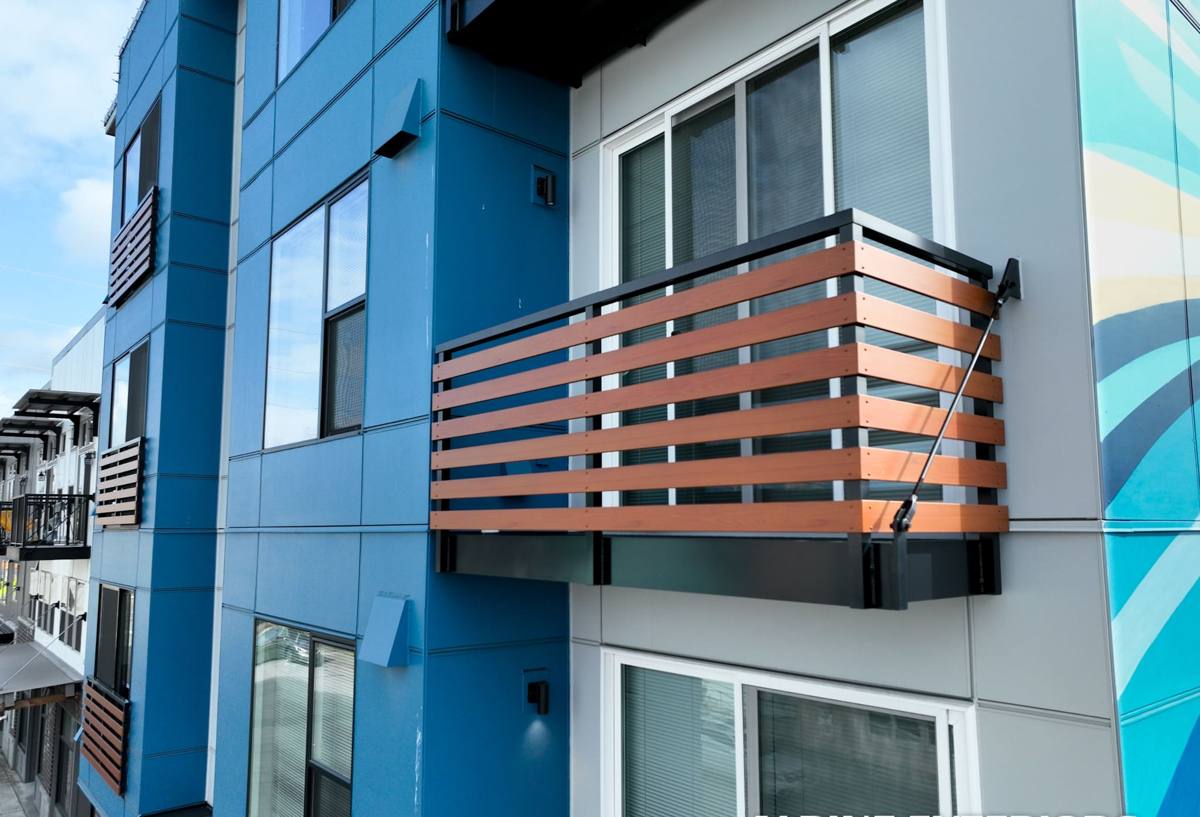
What Local Homes Actually Need From Their Windows
Moisture Management First
In a climate where rain is frequent and humidity rarely drops for long, the biggest threat to a window isn't the glass — it's what happens at the edges. Poor flashing or a rushed sill pan is how water gets behind the siding and into the framing, and once that starts it's slow and hidden. We treat flashing and drainage detail as the most important part of the job, because a beautiful window installed wrong will cost far more to fix later than it cost to install.
Condensation and Air Sealing
Cold, wet winters and mild, damp summers mean condensation is a year-round conversation here, not just a January problem. Single-pane and older double-pane windows fog up, and that condensation is often the first visible sign that a seal has failed. Correct glass selection and tight, properly sealed installation cut down on interior condensation and the mildew and window rot that follow it.
Standing Up to Salt Air and Wind-Driven Rain
Salt-laden air accelerates corrosion on hardware, fasteners, and lower-grade metal components faster than an inland climate would. Wind-driven rain also tests horizontal water resistance in a way that a sheltered window on a calm-weather product spec sheet doesn't always reflect. We favor frame materials and hardware finishes that hold up to that combination rather than ones rated for a drier, calmer climate.
Frame Material Comparison for This Climate
| Material | Moisture/Salt Resistance | Maintenance | Typical Lifespan Here |
|---|---|---|---|
| Vinyl | Good — won't rot or corrode | Low | 20-30 years |
| Fiberglass | Excellent — very stable in wet/salt conditions | Low | 30-40+ years |
| Wood (clad or unclad) | Fair to poor if unclad — needs a protective exterior | High if unclad | Varies widely with upkeep |
| Aluminum | Fair — prone to condensation and corrosion over time | Moderate | 15-25 years |
We don't push one material on every home. A wood-clad window can be the right call on a house where the interior look matters and the cladding is properly maintained, while a busy rental or a low-maintenance retirement home is often better served by vinyl or fiberglass. What we won't do is install an unclad wood window on an exposed elevation in this climate and call it a long-term solution — that's a maintenance commitment, not a set-and-forget product, and we'll tell you that upfront.
Glass Packages Worth Considering
- Low-E, argon-filled double pane: the standard baseline for this climate — cuts heat loss and reduces condensation risk compared to plain double pane.
- Triple pane: worth it on north-facing or wind-exposed walls, or for homeowners prioritizing comfort near the glass in winter.
- Impact or laminated glass: an option worth discussing for exposed gable ends or homes that catch the brunt of storm winds, mainly for durability and sound reduction rather than a strict requirement here.
- Obscure or tinted glass: useful for bathrooms or south-facing rooms without giving up the window's function.
What a Correct Window Installation Involves
The window unit itself is often the easy part. The installation detail is where quality actually gets decided, and it's also where corners get cut on rushed jobs. A correct install in this climate includes:
- Removing the old window and inspecting the framing and sheathing underneath for hidden rot or moisture damage before anything new goes in
- Installing a proper sill pan flashing so any water that does get past the window sheds outward, not into the wall
- Integrating the window flashing correctly with the house's weather-resistive barrier, in the right shingled order — this is the step most often done wrong on quick replacement jobs
- Air-sealing the gap between the frame and the rough opening with an appropriate low-expansion foam or sealant, not just caulk around the trim
- Fastening and shimming so the window operates square and doesn't bind or sag over time
- Exterior trim and caulking finished to shed water, not trap it
Skip the sill pan or get the flashing sequence backward, and you can have a brand-new, expensive window sitting in a wall that's slowly rotting behind it. We've opened up enough old openings during replacement work to know that the flashing detail matters more than almost anything else in this climate.
Moss, Debris, and Window Surrounds
Whatcom County's long moss season doesn't just affect roofs. Moss and organic buildup on trim, sills, and the tops of window openings holds moisture against wood and paint far longer than it would in a drier climate, which accelerates rot at exactly the spots where flashing and caulking need to stay intact. Part of doing this job right is making sure trim and sill details are shaped and sealed to shed water and debris rather than collect it, so the window opening doesn't become a moss trap over the following winters.
Our Process for a Sumas Window Project
1. On-Site Assessment
We look at existing windows and openings in person — checking for soft spots, failed seals, drafts, and how the current flashing was done. This tells us whether it's a straightforward replacement or whether there's hidden damage to address first.
2. Product and Glass Selection
We walk through frame material and glass package options based on the exposure of each wall, your budget, and how much upkeep you actually want to take on, rather than defaulting to whatever is easiest to install.
3. Installation
Old windows come out, framing gets inspected, and new units go in with correct sill pan flashing, weather barrier integration, air sealing, and trim work — in that order, every time.
4. Final Check and Walkthrough
We test operation, check seals, and walk the exterior trim and caulking with you so you know exactly what was done and what to keep an eye on.
Cost Factors to Expect
| Factor | Why It Matters |
|---|---|
| Frame material | Vinyl is typically the most budget-friendly; fiberglass and clad wood cost more upfront but often less over the window's life |
| Glass package | Triple pane and impact-rated glass add cost but pay off in exposed or noise-heavy locations |
| Opening condition | Hidden rot or damaged framing found during removal adds repair work before the new window can go in |
| Number and size of openings | Larger or custom-shaped windows require more precise fabrication and installation time |
| Access and existing trim | Full-frame replacement with new exterior trim costs more than an insert replacement into a sound existing frame |
We give straightforward, itemized estimates so you can see what's driving the number, rather than a flat price that hides what you're actually paying for.
Why a Crew That Already Works in Sumas Matters
Window installation done wrong in this climate doesn't fail on day one — it fails two or three winters later, after moisture has had time to work behind trim that looked fine at closeout. A crew that regularly works Whatcom County homes has already seen how local moss, salt air, and driving rain expose bad flashing and rushed seals, and builds every install to account for it from the start rather than learning that lesson on your house. That local track record is worth more than a low bid from a crew that installs the same way regardless of climate.
Signs It's Time to Replace, Not Just Repair
- Fogging or moisture trapped between the panes of a double-pane unit — the seal has failed and it can't be fixed, only replaced
- Visible soft or discolored wood at the sill or trim, which usually means water has already gotten behind the surface
- Windows that are difficult to open, close, or lock, which often points to a frame that's warped or shifted
- Noticeable drafts even with the window fully latched
- Rising heating bills alongside cold spots near the glass in winter
If you're weighing a window replacement or trying to figure out whether what you have can be repaired, we're glad to take a look. We offer free, no-pressure estimates for Sumas-area homes — use the form below to get started.