 Blaine Siding
 Building Decks for Sumas That Actually Hold Up to Whatcom County Weather
A deck in Sumas doesn't fail because of one bad storm. It fails slowly, from years of moisture working into places it was never sealed against. Whatcom County sits inside a marine-influenced weather system that pushes long, wet winters and mild, damp shoulder seasons across the whole county. Sumas sits further inland than the shoreline communities around Blaine, so it sees less direct salt exposure, but the same weather pattern that carries salt-laden air and driving rain across the coast still delivers heavy rainfall totals and a long moss season to inland towns. If anything, being tucked closer to the foothills means Sumas properties often get shaded, slower-drying yards and structures — which is its own kind of moisture problem.
Building a deck here isn't fundamentally different from building one anywhere in the Pacific Northwest, but it does mean every decision — footing depth, fastener type, board spacing, flashing detail — has to account for a structure that will spend a large share of the year wet. A deck built to a generic national standard, without that local weather in mind, tends to show problems within a few years: soft spots, rust streaks, mildew that won't scrub off, boards that cup or split.
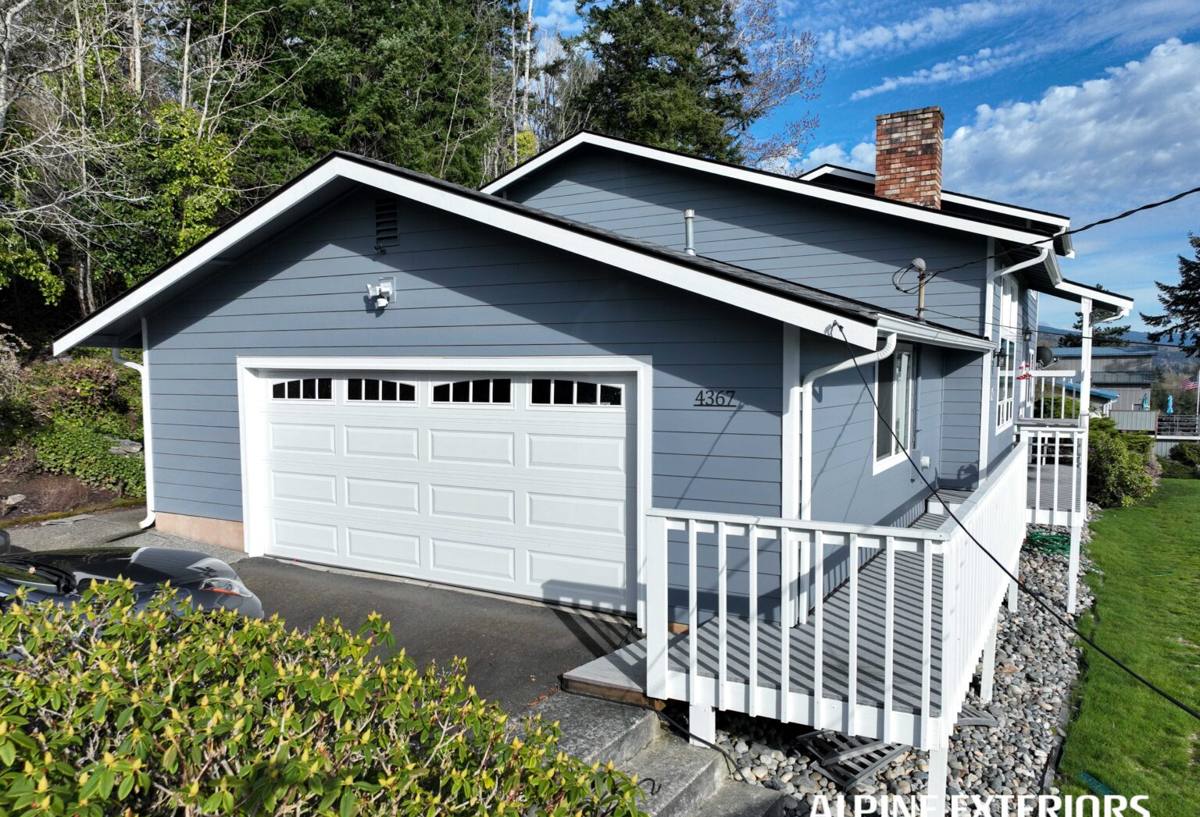
What a Sumas Deck Needs From the Ground Up
The single biggest factor in how long a deck lasts isn't the decking material on top — it's how well the structure underneath manages water. That means:
- Proper ledger board flashing. Where the deck attaches to the house is the single most common source of hidden rot. It needs correctly lapped flashing and a water-resistant barrier behind it, not just fasteners and caulk.
- Airflow and drainage under the deck. Decks built low to the ground or over poorly graded soil trap moisture underneath, which speeds up rot in framing and encourages moss and mildew to creep up from below.
- Stainless or coated fasteners rated for treated lumber. Standard hardware corrodes fast in a climate that stays damp for months at a stretch. Fastener choice matters as much as the lumber grade.
- Gapped board spacing. Decking that's installed too tight doesn't shed water or dry out between rain events, which is exactly what feeds moss and algae growth.
None of this is exotic — it's standard good practice. But it's also the first thing skipped by a crew trying to move fast or unfamiliar with how aggressively this climate finds weak points.
Choosing a Decking Material That Fits This Climate
There's no single "best" decking material — there's a best fit for your budget, your maintenance appetite, and how much sun or shade your deck actually gets. In a county with this much rain and moss pressure, that last factor matters more than most homeowners expect.
| Material | Upfront Cost | Maintenance Needs | Moisture & Moss Resistance | Typical Lifespan Locally |
|---|---|---|---|---|
| Pressure-treated wood | Lowest | Annual cleaning, periodic sealing/staining | Fair — needs upkeep to stay ahead of moss | 10–15 years with maintenance |
| Cedar | Medium | Regular sealing to hold color and resist graying | Good natural rot resistance, still needs cleaning | 15–20 years with maintenance |
| Capped composite | Higher | Occasional washing, no staining or sealing | Very good — capped surface resists moss staining | 25+ years |
| PVC / cellular vinyl | Highest | Lowest — wash as needed | Excellent — fully moisture-proof surface | 25–30+ years |
Real wood is a legitimate choice, and plenty of homeowners prefer the look and cost. Our standard is to be upfront that any wood deck in this climate needs a real maintenance commitment — sealing every year or two, and staying ahead of moss before it takes hold, not after. If that upkeep isn't something you want to keep up with, a capped composite or PVC board is worth the higher upfront cost, since the surface itself doesn't absorb moisture the way wood does.
A Note on Fasteners and Hardware
Whatever decking material you choose, the metal holding it together matters just as much. We use fastener systems and structural hardware rated for the specific lumber and climate exposure involved — mismatched hardware is a common, avoidable cause of premature staining and loosening in wet climates.
Framing, Footings, and What's Underneath
A deck is only as good as what's holding it up, and that's the part homeowners never see once the project is finished. Footings need to reach below the frost line and bear on solid, undisturbed soil — your local building department sets the exact depth requirement, and we follow it rather than guessing or shortcutting. Ground conditions vary lot to lot around Sumas, and soil that holds water longer than expected can affect how footings are sized and placed.
Joist spacing, beam sizing, and post connections all need to match the actual load of the deck — its size, height, and intended use (a deck built for a hot tub carries very different requirements than one built for a dining table and chairs). We size framing to the real load, not the minimum that happens to pass inspection.
Moss, Algae, and the Long Wet Season
Moss doesn't just grow on roofs. Any horizontal wood or composite surface that stays damp for extended stretches — which describes most decks here for a good chunk of the year — is a candidate. Moss and algae aren't just a cosmetic issue: they hold moisture against the surface, make boards slick and dangerous underfoot, and on wood decking they accelerate the exact rot processes the structure is trying to resist.
Design choices make a real difference here. Decks with better sun exposure, wider board gapping, and open railings that don't block airflow dry out faster between rain events and stay noticeably cleaner year to year than decks built tight against a shaded fence line or dense landscaping.
Basic Deck Maintenance for This Climate
- Sweep off leaves and debris regularly, especially in fall — trapped organic matter holds moisture and feeds moss
- Rinse or wash the surface a few times a year, more often in shaded areas
- Check and clear gaps between boards so water keeps draining freely
- Reseal or restain wood decking on a regular schedule, not just when it visibly needs it
- Inspect ledger flashing and fasteners annually for early rust or gaps
Our Deck Building Process
Every deck we build follows the same basic sequence, adjusted for the specific site:
- On-site assessment. We look at drainage, sun exposure, soil conditions, and how the deck will attach to the house before recommending materials or layout.
- Design and material selection. We walk through the material comparison honestly — including maintenance trade-offs — so the choice fits your budget and how much upkeep you actually want to do.
- Permitting. We handle the permit application and inspections required for the project, so the work is documented and code-compliant from the start.
- Footings and framing. This is the stage that determines how long the deck lasts, and it's the stage we spend the most care on, even though it's the part that ends up buried.
- Decking, railing, and finish work. Board installation, fastening, railing systems, and any stairs or accessories go in last, with attention to gapping and drainage throughout.
- Final walkthrough. We go over the finished deck together, including what maintenance it needs going forward.
Permits and Code in Whatcom County
Most new decks and many deck replacements require a building permit, and inspections typically happen at the footing stage and again at final completion. Requirements can vary depending on deck height, size, and attachment to the house, so we confirm what applies to your specific project rather than assuming. Skipping permitting on a deck attached to your home isn't just a compliance issue — it can also complicate insurance claims or a future home sale if the work was never inspected.
Signs Your Existing Deck Needs Attention
Not every deck problem means a full rebuild, but a lot of them start small and get expensive if ignored through another wet season. Worth having looked at if you notice:
- Soft, spongy, or spring-y spots underfoot, especially near the house
- Rust streaking around fasteners or hardware
- Persistent moss or dark staining that comes back quickly after cleaning
- Gaps or separation where the deck meets the house siding or flashing
- Wobble in railings or posts
- Visible cracking or splitting concentrated on one section of decking
Catching these early is almost always cheaper than waiting for a full structural failure, particularly with ledger and framing issues that stay hidden until they're advanced.
Why Hire a Crew That Already Works in Sumas
A deck built by a crew that mostly works in drier climates tends to under-detail the parts that matter most here — flashing, fastener selection, drainage, footing depth for local soil. We build in Whatcom County, so the moisture management details in this page aren't theoretical for us; they're what determines whether a deck we build is still solid in fifteen years. Knowing the local permitting process and inspection expectations also keeps the project moving instead of stalling on paperwork.
If you're planning a new deck or dealing with an aging one in Sumas, we're happy to take a look and talk through honest options for your specific site and budget. Reach out for a free, no-pressure estimate using the form below.