 Blaine Siding
 Why Windows Wear Out Faster in Dakota Creek
Dakota Creek sits close enough to the water and to open farmland that homes here take a different kind of weathering than houses further inland in Whatcom County. Salt-laden air off the Strait works its way into aluminum frames and steel hardware over the years, driving rain finds any gap in old flashing, and the long, damp moss season keeps wood trim wet for months at a stretch instead of drying out between storms. None of that is dramatic on its own, but added up over fifteen or twenty years it's exactly what pushes windows past their useful life.
We see the same failure pattern on a lot of Dakota Creek homes: frames that still look okay from six feet away but have soft spots at the bottom corners, hardware that's stiff or corroded, and glass that's fogged between the panes because the seal gave out years ago. None of that is a reason to panic — it's just what this climate does to windows, and it's fixable with the right replacement done correctly the first time.
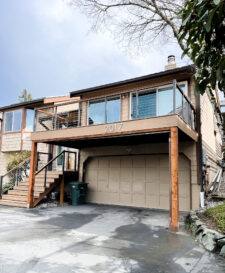
Signs a Dakota Creek Home Is Ready for Replacement
Most homeowners call us after noticing one or two of these, not all of them at once:
- Fogging or a visible haze between the glass panes — the seal has failed and the insulating gas is gone
- Windows that are hard to open, close, or lock, especially after a stretch of wet weather
- Visible daylight, drafts, or a cold spot near the frame when you stand close on a windy day
- Soft, spongy, or discolored wood at the sill or bottom corners of the frame
- Condensation forming on the inside of the glass regularly through fall and winter
- Noticeably higher heating bills compared to similar-sized homes nearby
- Moss or dark staining creeping onto the frame or trim from the exterior
Any one of these by itself might just mean a minor repair. Several together, especially on a home that's had its original windows for two decades or more, usually means replacement is the more honest recommendation.
What a Correct Window Replacement Actually Involves
The window itself is only part of the job. In a wet, salt-exposed area like Dakota Creek, the installation details matter more than the product label. A correct replacement includes:
Removing the old unit without damaging the opening
We pull the old window carefully and inspect the rough opening underneath — this is usually the first time in years anyone has actually looked at the sheathing and framing behind the window. If there's rot or moisture damage back there, it needs to be addressed before a new window goes in, not covered over.
Flashing and water management
This is the step that gets skipped on rushed jobs and is the single biggest reason windows fail early near the coast. Proper flashing tape and a correctly lapped weather-resistant barrier direct any water that gets past the exterior trim back out, rather than letting it soak into the framing. Given how much driving rain this area sees, we treat this step as non-negotiable, not optional.
Setting the window level, plumb, and square
An out-of-square install stresses the frame, makes hardware wear out faster, and creates gaps that let in drafts and moisture. Shimming and fastening correctly takes longer than eyeballing it, but it's what keeps a window performing for its full warranty life.
Insulating and sealing the gap
Low-expansion foam or backer rod and sealant around the perimeter closes off air leaks without bowing the frame inward — a common mistake with standard spray foam applied too heavily.
Interior and exterior trim finish work
The trim gets reinstalled or replaced and sealed so it sheds water rather than trapping it against the frame — the detail that determines how well the window holds up through the next moss season.
Choosing the Right Frame Material for This Climate
There's no single "best" window material for every home — it depends on your budget, your home's style, and how much upkeep you want to take on. Here's how the common options actually perform in a salt-air, high-rain environment like Dakota Creek:
| Frame Material | How It Handles Salt Air & Rain | Maintenance |
|---|---|---|
| Vinyl | Doesn't corrode or rot; handles salt exposure well | Low — occasional cleaning |
| Fiberglass | Very stable in temperature swings and moisture; holds paint well | Low to moderate |
| Wood (clad exterior) | Good insulator but the exterior cladding must stay intact to protect the wood core | Moderate — watch seals and caulking |
| Aluminum | Prone to corrosion and heat/cold transfer near salt air over time | Higher — we don't recommend it for this area |
For most Dakota Creek homes we steer people toward vinyl or fiberglass for the frame, both of which shrug off salt exposure without the corrosion issues aluminum develops over the years. Wood-clad windows still have their place for homes where the interior look matters most, as long as the cladding and seals are properly maintained.
Our Process, Start to Finish
- On-site estimate: We look at your current windows, check for underlying moisture or framing issues, and measure openings — no pressure, no obligation.
- Straightforward quote: You get a clear breakdown of product, labor, and any additional work the openings need, in writing.
- Scheduling: We plan around weather where we can, since flashing and sealant work needs a reasonably dry window to do right.
- Installation: Old units come out, openings get inspected and repaired if needed, new windows go in with proper flashing and sealing.
- Cleanup and walkthrough: We clear debris and walk you through the new windows — locks, cleaning, and anything specific to your product's warranty.
What Affects the Cost
We don't quote firm prices without seeing the job, but these are the factors that move the number up or down on most Dakota Creek projects:
| Factor | Why It Matters |
|---|---|
| Number and size of windows | More or larger openings mean more material and labor time |
| Frame material chosen | Vinyl is typically the most budget-friendly; fiberglass and clad-wood cost more |
| Condition of the rough opening | Hidden rot or framing damage adds repair work before the new window can go in |
| Window style | Simple double-hung differs in cost from casement, picture, or custom shapes |
| Trim and finish work | Matching existing interior trim or upgrading exterior trim adds time |
Broadly speaking, a straightforward single window swap costs less than a whole-house replacement, and the biggest cost variable on older Dakota Creek homes is usually what we find once the old window comes out — which is exactly why a proper inspection during the estimate matters.
Why Local Experience in Dakota Creek Matters
A crew that's worked in Dakota Creek and around Blaine already knows what to expect before we pull the first window: how far the salt air reaches inland here, which older homes tend to have flashing that was never installed correctly to begin with, and how long the wet season actually lasts in this corner of Whatcom County. That's not something you get from a crew that mostly works drier inland areas and treats every coastal job the same as an inland one.
It also means we're not guessing at what products and techniques hold up here — we're basing it on what we've seen fail and what we've seen last. That local knowledge shows up in small decisions throughout the job: how much flashing overlap to use, which sealants perform in this humidity, and where extra attention around trim and sills actually pays off over the next fifteen years.
Simple Maintenance That Extends the Life of New Windows
Even a correctly installed window benefits from a little seasonal attention in this climate:
- Rinse salt residue off frames and glass a few times a year, especially after windy weather off the water
- Keep gutters and downspouts clear so overflow doesn't run down onto window trim
- Check exterior caulking annually and touch up any cracked or peeling sections before the wet season sets in
- Clear moss or debris that accumulates on sills and trim rather than letting it sit against the frame
- Operate locks and hardware periodically through the winter so they don't seize up from disuse
Get a Straightforward Estimate
If your windows in Dakota Creek are fogging, drafty, sticking, or just showing their age, we're happy to take a look and give you an honest read on repair versus replacement — no pressure, no upsell. Use the form below to request a free estimate and we'll go from there.