 Blaine Siding
 Why Birch Point Homes Wear Out Their Siding Faster
Birch Point sits close enough to the water that salt air is a constant, low-grade stress on every exterior surface in the neighborhood. Combine that with Whatcom County's long, wet winters and the driving rain that comes off Semiahmoo Bay and the Strait of Georgia, and you get a set of conditions that punishes siding in ways homeowners further inland rarely see. Add a moss season that can stretch from October through May in shaded, north-facing exposures, and it's easy to understand why siding here ages differently than siding in a dry suburban subdivision.
None of this means Birch Point is a bad place to own a home — it means the siding on that home has a harder job to do, and the material and installation quality matter more here than in most parts of the state. When we talk to homeowners in this neighborhood about a siding replacement, we're not selling a generic upgrade. We're addressing a specific set of local stressors: salt-laden moisture, near-constant humidity, and organic growth pressure that never really lets up.
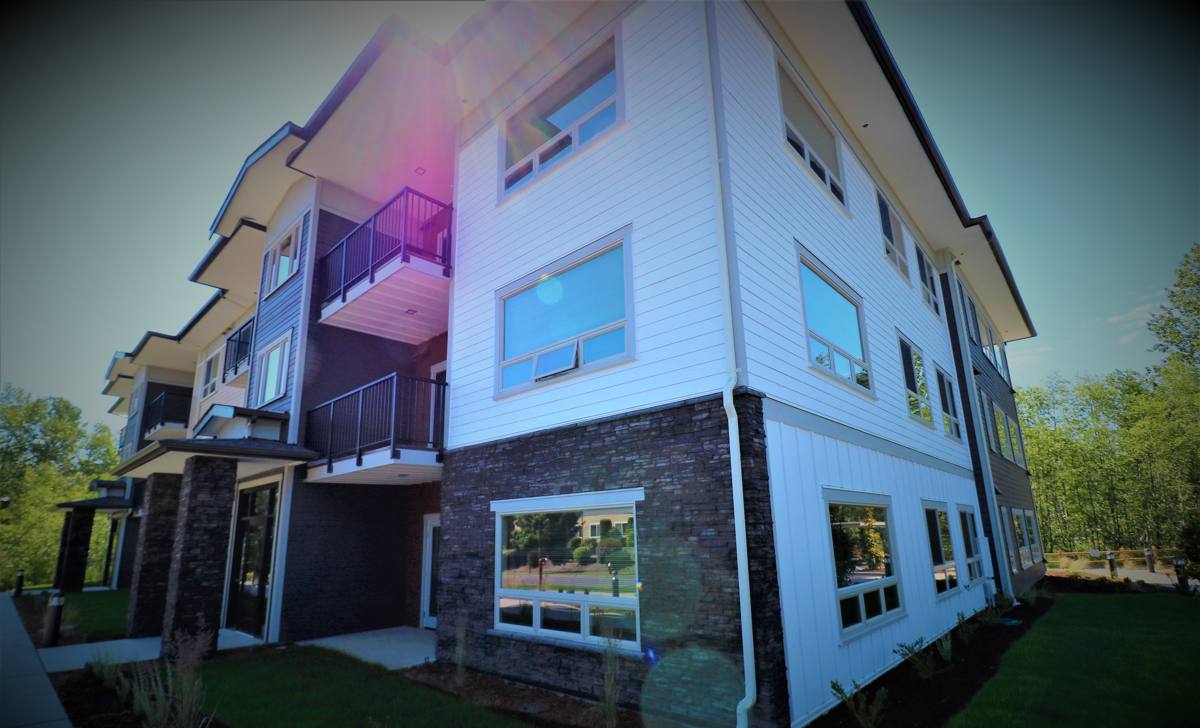
What Salt Air Actually Does to Siding
Salt air doesn't just sit on a surface — it works its way into seams, fastener heads, and any point where paint or factory finish has started to break down. On wood-based products, that moisture accelerates rot from the inside out, often before there's any visible sign on the surface. On vinyl, salt exposure combined with UV can cause premature fading and brittleness. On metal fasteners and trim, it accelerates corrosion, which shows up as rust streaking and eventually loosens the very connections holding the siding to the wall.
This is one of the main reasons we standardized on James Hardie fiber cement for every home we side, including here in Birch Point. Fiber cement doesn't rot, and it isn't vulnerable to the same salt-driven degradation that wood and some engineered wood products experience. It's not immune to every effect of a marine environment — no product is — but it holds up to sustained salt exposure far better than the alternatives, which is exactly what a home a few blocks from the water needs.
Moss and Organic Growth in Shaded Exposures
Birch Point has plenty of tree cover and lots of homes with north- or east-facing walls that rarely see direct sun for months at a time. Those shaded, damp surfaces are where moss, algae, and mildew take hold fastest. On porous or textured siding materials, that growth can work into the surface and become a long-term maintenance headache — regular pressure washing, treatments, and repainting just to keep it in check.
James Hardie's factory-applied ColorPlus finish is baked on under controlled conditions and holds up significantly better against surface growth than field-applied paint on wood or engineered wood siding. It won't stop moss from landing on the surface — nothing outdoors in this climate is completely moss-proof — but it gives you a harder, more uniform surface that's easier to clean and doesn't absorb moisture the way porous materials do, which is where the real damage starts.
What a Correct Siding Replacement Involves Here
A siding replacement in a marine, high-moss environment isn't just "remove old siding, install new siding." The details underneath the surface matter as much as the product itself, and skipping them is how homeowners end up with premature failures even after paying for a full replacement.
- Full tear-off and sheathing inspection — every square foot of wall sheathing gets checked for hidden rot or moisture damage before anything new goes up. In a salt-air environment, this step catches problems that would otherwise be sealed behind new siding for years.
- Weather-resistive barrier installed correctly — a properly lapped and sealed water-resistive barrier is what actually keeps bulk water out of the wall assembly. This is arguably more important than the siding material itself.
- Rainscreen or drainage gap where appropriate — giving moisture a path to drain and the wall a chance to dry out matters more in a climate with this much sustained rainfall and humidity.
- Flashing at every penetration — windows, doors, vents, and any wall penetration need correctly integrated flashing, not just a bead of caulk. Caulk fails; proper flashing doesn't rely on a sealant staying intact for 30 years.
- Correct fastener spec — corrosion-resistant fasteners, installed to manufacturer spacing and depth, matter enormously in a salt-air zone where the wrong fastener can rust and fail years before the siding itself would.
- Manufacturer-spec installation of the Hardie product — proper clearances from grade, decks, and roof lines; correct joint treatment; and following James Hardie's published installation instructions so the product performs — and the warranty stays valid.
Choosing the Right James Hardie Product Line for This Exposure
James Hardie makes climate-engineered product lines, and for a coastal, high-moisture area like Birch Point, that distinction is worth understanding rather than treating every Hardie product as interchangeable.
| Product Line | Best Fit For | Why It Matters Here |
|---|---|---|
| HardiePlank Lap Siding (HZ10) | Most homes in this climate zone | Engineered for wetter, harsher climates with moisture and freeze-thaw resistance built into the formulation |
| HardieShingle | Accent gables, dormers, cottage-style homes | Gives a traditional shingle look without the rot risk of wood or wood-composite shingles in a damp, mossy environment |
| HardiePanel | Modern or board-and-batten styling | Fewer horizontal laps means fewer potential water-entry points on exposed elevations |
| HardieTrim | Corners, window and door trim | Matches the rot resistance of the field siding so trim doesn't become the weak point in the system |
We'll walk through which combination makes sense for your specific home, exposure, and style — but the underlying principle stays the same: match the product to the wall, not just to the look you want.
Signs Your Birch Point Home May Need Replacement Soon
Because coastal wear often starts hidden, it helps to know what to look for before a problem becomes a structural repair.
- Soft or spongy spots when you press on the siding, especially near the bottom courses and around windows
- Persistent moss or algae staining that comes back within weeks of cleaning
- Visible rust streaking around fasteners or trim
- Paint that's peeling, bubbling, or chalking faster than it should for its age
- Gaps opening up at seams, corners, or where siding meets trim
- A musty smell or visible staining on interior walls near exterior corners — often a sign moisture has already gotten behind the siding
If you're seeing more than one of these, it's worth having someone look at the wall assembly, not just the surface — because in this climate, surface symptoms usually mean there's more going on underneath.
Our Process for a Birch Point Siding Replacement
1. On-Site Assessment
We walk the exterior with you, check current siding condition, look for moisture intrusion at trim and penetrations, and talk through sun exposure and drainage patterns specific to your lot.
2. Product and Line Selection
Based on that assessment, we recommend the James Hardie product lines and colors that fit your home's exposure — prioritizing the elevations that take the most weather.
3. Tear-Off and Sheathing Check
Old siding comes off, sheathing gets inspected, and any hidden rot or damage gets addressed before new material goes up — not covered over.
4. Weather Barrier and Flashing Installation
This is the step that determines how the wall performs for the next several decades. We install the water-resistive barrier and flashing to manufacturer and code standards, not shortcuts.
5. Hardie Installation to Spec
Siding goes on following James Hardie's fastening, clearance, and joint-treatment guidelines so the finished product performs as engineered and your warranty coverage is intact.
6. Final Walkthrough
We review the finished work with you, confirm everything meets spec, and make sure you understand basic care going forward.
Why It Matters That We Already Work in This Neighborhood
A crew that's replaced siding on homes throughout Blaine and the surrounding Whatcom County coastline already understands what Birch Point's exposure does to a wall assembly — they're not learning that on your project. That familiarity shows up in small but important decisions: where to add extra flashing attention, which elevations need the most drainage consideration, and how to sequence the job around the region's wet-season weather windows. It also means we're a known, local presence if you ever have a warranty question or a follow-up need down the road, rather than a crew that came through once and moved on.
Why We Only Install James Hardie
We don't install vinyl, LP SmartSide, primed wood, cedar, or other fiber cement brands — not because those products can't work anywhere, but because after years of doing this work in marine, high-moisture environments like Blaine and Birch Point, James Hardie has consistently given us the combination of moisture performance, non-combustible material, factory finish durability, and a strong transferable warranty that we're comfortable standing behind. Standardizing on one manufacturer also means our crews install it correctly every time, instead of switching techniques and specs between different product systems. For a coastal home dealing with salt air, driving rain, and a long moss season, that consistency is worth more than having more options on the table.
If your Birch Point home's siding is showing wear, or you're just planning ahead for the maintenance a coastal exposure demands, we're happy to take a look and give you a straightforward, no-pressure estimate — use the form below to get started.