 Blaine Siding
 Board & Batten Siding for Cherry Point Homes
Cherry Point sits right up against the Strait of Georgia on the far northwest edge of Whatcom County, and that location shapes everything about how siding performs there. Homes in this area deal with a steady diet of salt-laden air, wind-driven rain coming off the water, and long stretches of shade and dampness that keep moss and algae active for much of the year. Board & batten is one of the most requested siding styles for this stretch of coastline because the vertical lines read as clean and modern while still fitting the rural, low-key character of the area. But the style is only half the story — what the boards and battens are made of, and how they're installed, determines whether that siding is still doing its job in fifteen years or is already showing rot lines and paint failure.
This page focuses specifically on board & batten installed in the Cherry Point area — what the local climate demands from this siding profile, what a correct installation actually involves, and why a crew that already works this part of Whatcom County brings something a general contractor from out of the area can't.
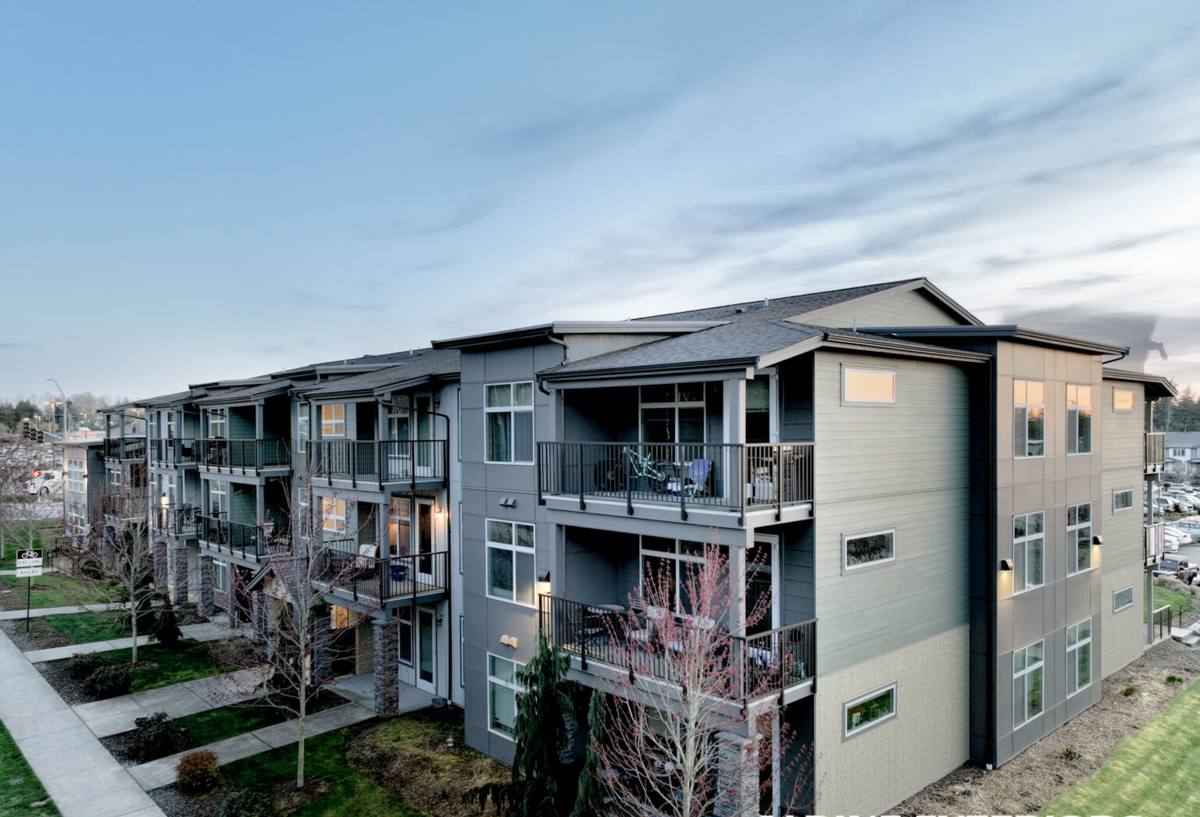
What Cherry Point's Climate Demands From Vertical Siding
Salt Air and Marine Exposure
Properties near the water in Cherry Point are exposed to airborne salt that settles on exterior surfaces and accelerates the breakdown of fasteners, caulk, and lower-grade siding materials. Salt exposure doesn't just affect metal — it also draws moisture into porous or poorly sealed siding materials and speeds up finish degradation. Any siding installed here needs a factory finish and fastener package built to hold up to this, not a standard interior-grade product pressed into exterior service.
Driving Rain and Wind-Driven Moisture
Open water exposure means wind-driven rain hits walls at an angle rather than falling straight down, which pushes moisture into laps, seams, and butt joints that a calmer inland site would never test. Board & batten has more vertical seams than horizontal lap siding, and each one is a potential water entry point if the installation doesn't manage drainage correctly.
Moss and Shade Season
Whatcom County's long wet season keeps north-facing and tree-shaded walls damp for months at a time, and that dampness is exactly what moss and algae need to take hold. Once organic growth establishes on a wall, it holds moisture against the surface and creates the conditions for rot underneath, even if the siding material itself is sound. Board & batten's vertical battens create shadow lines and ledges where moss spores can settle if the siding isn't installed with proper drainage and the surface isn't a finish that resists growth.
What Board & Batten Siding Actually Is
Board & batten is a siding pattern, not a material — wide vertical boards installed with a gap between them, then covered by a narrower batten strip that seals the seam. The style has been used on farmhouses and coastal buildings for well over a century because the vertical lines shed water differently than horizontal lap siding and because the pattern is genuinely durable when built correctly. The material behind that pattern is what varies enormously in quality, and it's the material — not the look — that decides how the siding performs against salt air, rain, and moss over the decades it's expected to last.
We install board & batten exclusively in James Hardie fiber cement. Hardie's HZ5 product line is engineered for the Pacific Northwest's wet, marine-influenced climate zone, and the ColorPlus factory finish is baked on under controlled conditions rather than field-applied, which gives it far better resistance to fading, chipping, and the kind of moisture intrusion that leads to peeling paint on lesser materials.
Why We Only Install James Hardie for This Style
Board & batten can be built out of vinyl, engineered wood, primed spruce, or several other fiber cement brands, and each of those has genuine strengths — vinyl is inexpensive, engineered wood machines cleanly, some competing fiber cement products are priced lower. Our stance isn't that these materials are junk. It's that after years of doing exterior work in this climate, we standardized on one material because the trade-offs on the others show up specifically in conditions like Cherry Point's:
- Vinyl board & batten is affordable and low-maintenance, but it's a thin plastic profile that can warp in temperature swings and doesn't stand up to direct wind-driven rain intrusion behind the panel the way a rigid, water-resistant fiber cement board does.
- Engineered wood and primed spruce machine and paint beautifully, but they're wood-based products that swell and rot at cut edges and fastener penetrations if moisture gets in — a real risk on a coastline where wind-driven rain finds every gap.
- Other fiber cement brands are legitimate products, but we've standardized on Hardie's HZ5 formulation, factory ColorPlus finish, and transferable warranty structure rather than mixing material sources across our crews and projects.
Non-combustible, dimensionally stable, and engineered specifically for wet marine climates — that combination is why James Hardie is the only material we put behind a board & batten pattern, on this property or any other we work on.
What a Correct Board & Batten Installation Involves
Drainage Plane and Rainscreen Gap
The single biggest factor separating board & batten siding that lasts thirty years from siding that fails in ten isn't the material on the surface — it's what's behind it. A correct installation includes a weather-resistive barrier and a drainage gap (a rainscreen) that lets any moisture that does get past the siding drain and dry out instead of sitting against the wall sheathing. Skipping this step is the single most common shortcut that causes rot behind board & batten siding in wet climates, and it's invisible once the job is finished — which is exactly why it matters who you hire.
Fastening and Batten Spacing
Boards and battens need to be fastened per the manufacturer's specification, with attention to stud spacing, fastener type, and penetration depth. Battens that are spaced or fastened incorrectly create uneven expansion gaps that show up as cracking or fastener pop within a few years, especially through Whatcom County's freeze-thaw and wet-dry cycling.
Trim, Flashing, and Butt Joints
Every vertical seam, window and door opening, and horizontal joint is a place water can get behind the cladding. Correct head flashing above windows, properly lapped house wrap, and sealed (not just caulked) butt joints are what keep driving rain from Cherry Point's open water exposure out of the wall assembly.
| Installation Element | Why It Matters in Cherry Point |
|---|---|
| Rainscreen / drainage gap | Lets wind-driven rain that gets behind the siding drain and dry instead of soaking sheathing |
| HZ5-rated Hardie panels | Engineered for wet, marine-influenced climate zones like coastal Whatcom County |
| Factory ColorPlus finish | Resists salt-air fading and chipping better than field-applied paint |
| Flashing above openings | Directs rain away from window and door heads before it can track behind boards |
| Correct fastener schedule | Prevents fastener pop and board movement through wet-dry, freeze-thaw cycling |
Our Process for Cherry Point Projects
- On-site walkthrough to assess current siding condition, wall assembly, and any moisture or rot already present behind existing cladding.
- Written estimate covering material, labor, trim, and any sheathing repair needed before new siding goes on.
- Removal of old siding and inspection of the wall — this is often the first time hidden moisture damage becomes visible, and we flag it before covering it back up.
- Installation of weather-resistive barrier, rainscreen, and James Hardie board & batten panels to manufacturer spec, with attention to Cherry Point's wind and rain exposure.
- Final trim, flashing, and caulking details, followed by a walkthrough with the homeowner before we consider the job done.
Cost Factors for Board & Batten in Cherry Point
Every project is priced individually, but a few factors consistently move the number up or down on Cherry Point homes specifically:
| Factor | Effect on Cost |
|---|---|
| Existing siding removal and disposal | Adds labor time, especially if hidden rot needs repair before new siding goes on |
| Wall exposure to open water and wind | May call for additional flashing and sealing detail at seams and openings |
| House size and number of corners/openings | More trim and cut work at windows, doors, and corners increases labor |
| ColorPlus color selection | Standard colors are typically more economical than premium or custom finishes |
| Access and site conditions | Waterfront or sloped lots can require additional staging and scaffolding |
Maintaining Board & Batten in a Salt Air, High-Moss Climate
James Hardie siding is low-maintenance compared to wood, but "low-maintenance" doesn't mean "no maintenance" — especially this close to the water. A little seasonal attention goes a long way toward getting the full lifespan out of the installation:
- Rinse salt residue and grime off exterior walls once or twice a year, especially on sides facing open water
- Trim back vegetation and tree cover that keeps shaded walls damp and encourages moss growth
- Check caulking at trim, window, and door joints annually and re-seal if it's cracked or pulling away
- Inspect for moss or algae on north-facing and shaded walls and clean it off before it spreads or holds moisture against the surface
- Watch gutters and downspouts near the roofline — overflow that runs down the wall face accelerates staining and moisture exposure on the siding below
Why Hire a Crew That Already Works Cherry Point
Coastal Whatcom County isn't a uniform climate — a wall facing open water on a Cherry Point property is dealing with different exposure than a sheltered inland wall a few miles away, and the installation details need to account for that difference. A crew that regularly works this stretch of coastline already understands how wind-driven rain moves across these properties, where moss tends to establish first, and how to detail flashing and drainage for the exposure this area actually gets — rather than applying a generic installation approach and hoping it holds up. That local familiarity, combined with installing one material system we know inside and out, is what keeps board & batten siding performing here for decades instead of years.
If you're considering board & batten siding for a property in the Cherry Point area, we're happy to walk the exterior with you, look at what's there now, and put together a straightforward estimate — no pressure, no sales script. Use the form below to get started.