 Blaine Siding
 New Roof Installation in California Creek, Blaine
California Creek sits close enough to the water and open enough to weather that its roofs work harder than roofs a few miles inland. If you own a home in this part of Blaine, you already know the wind off the strait doesn't take a day off, and the rain doesn't either. A roof here isn't just a shingle color choice — it's the thing standing between your house and a climate that combines salt air, sustained wet weather, and the deep shade that keeps moss growing most of the year. When it's time for a full replacement rather than another round of repairs, getting the installation right the first time matters more here than it does in a drier part of Whatcom County.
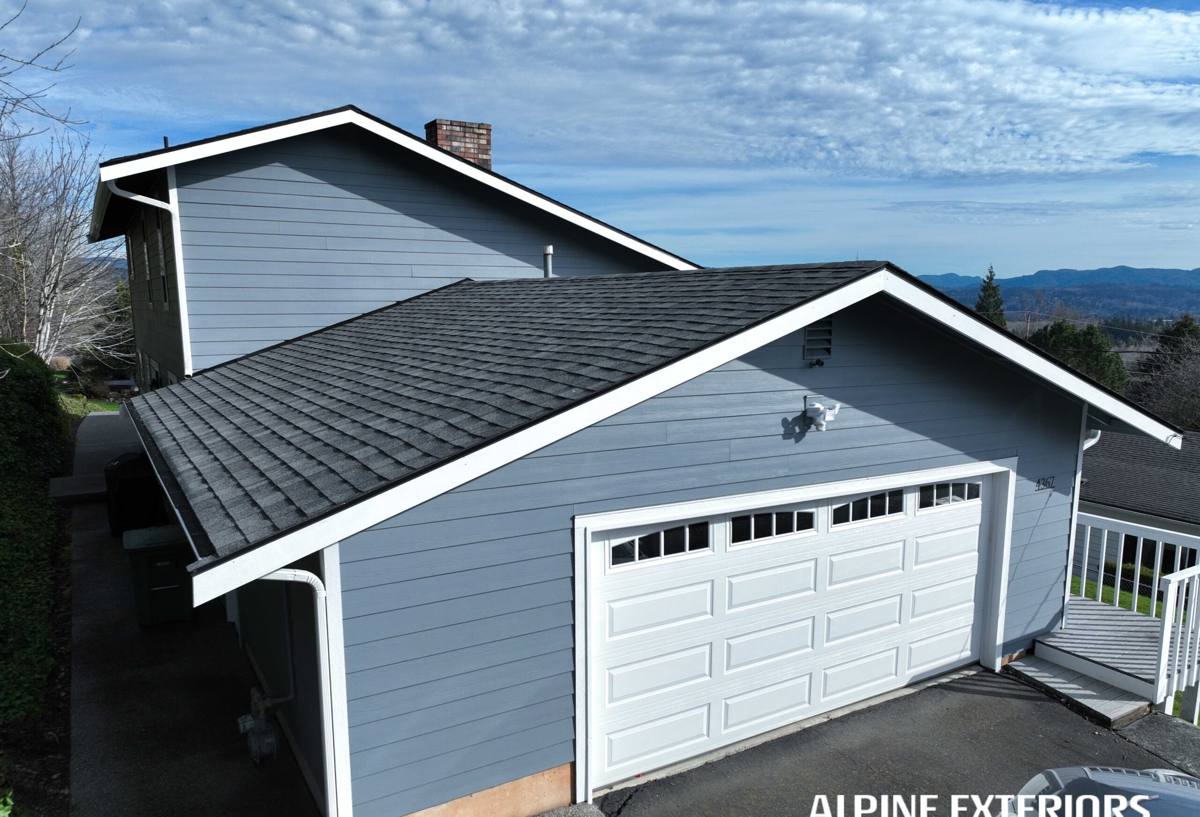
What Blaine's Climate Actually Does to a Roof
Three factors show up again and again on California Creek roofs we've inspected:
Salt-Laden Air
Proximity to Semiahmoo Bay and the Strait of Georgia means airborne salt settles on roofing surfaces and metal components. Over years, that accelerates corrosion on unprotected fasteners, flashing, and vents. It's not dramatic — it's slow, and it's the kind of thing that turns a long-life roof into a shorter-life roof if the materials and metals weren't chosen with that exposure in mind.
Driving, Wind-Pushed Rain
Rain here rarely falls straight down. Wind pushes it sideways and up under laps, edges, and anywhere a shingle or flashing detail is slightly off. A roof that would perform fine in a calmer climate can leak here simply because it wasn't built with wind-driven rain in mind — meaning underlayment coverage, fastener patterns, and edge details all carry more weight.
A Long Moss Season
Tree cover, marine humidity, and mild temperatures give moss and algae a long growing window — often most of the year on north-facing or shaded slopes. Moss holds moisture against the roof surface, works into shingle laps, and can lift granules and tabs over time. A roof designed without moss in mind will need more intervention, sooner, than one that accounts for it from day one.
Signs a California Creek Home Needs a New Roof, Not Another Repair
Repairs make sense when a roof has isolated damage and years of usable life left. Replacement makes sense when the underlying material is worn out everywhere, not just at the trouble spot. Common signs we look for on homes in this area include:
- Granule loss heavy enough to expose the shingle mat, especially on the more weather-exposed slopes
- Moss that keeps returning within a season or two of cleaning, even after treatment
- Soft spots or sag in the decking, usually found near valleys, chimneys, or old repair patches
- Flashing that's rusted, lifted, or was never properly integrated with the roofing material
- Daylight or water staining visible from inside the attic
- A roof approaching or past the manufacturer's expected service life for this climate
If a roof is showing two or more of these at once, patch repairs tend to become a repeating expense rather than a real fix.
Choosing a Roofing System Built for This Neighborhood
There's no single "best" roofing material for every home — it depends on the roof's pitch, shade exposure, budget, and how the home's structure was built. What matters is weighing each option honestly against Blaine's conditions rather than against a national average climate.
| Roofing Type | Salt Air Performance | Moss Resistance | Typical Considerations |
|---|---|---|---|
| Standard asphalt composition shingle | Adequate with corrosion-resistant fasteners and flashing | Moderate — benefits from zinc/copper strips or granule treatments | Lower upfront cost; widely available; needs correct ventilation to perform well long-term |
| Architectural/laminate shingle | Good — heavier mat holds up better to wind-driven rain | Moderate to good with treated products | Better wind rating and appearance; mid-range cost |
| Standing seam metal | Very good when finished and fastened correctly | Good — moss struggles to grip smooth panels | Higher upfront cost; long service life; needs a qualified installer for coastal fastening details |
| Cedar shake | Requires diligent maintenance in salt and moisture exposure | Poor without regular treatment | High maintenance burden in this climate; we're candid with clients about the upkeep involved |
For most California Creek homes, a well-ventilated architectural shingle or a standing seam metal system offers the best balance of upfront cost, moss resistance, and salt-air durability. We walk through the honest trade-offs for your specific roof rather than push one product line.
What a Correct Tear-Off and Installation Actually Involves
Tear-Off and Deck Inspection
Every layer of the old roof comes off down to the decking, which then gets inspected board by board. Soft, delaminated, or water-damaged sheathing gets replaced before anything new goes down — covering a compromised deck with new roofing just hides the problem for a few more years.
Underlayment and Water Barrier
Given how much wind-driven rain this area sees, underlayment coverage isn't a place to cut corners. Self-adhered ice-and-water barrier at eaves, valleys, and penetrations, paired with a quality synthetic underlayment across the rest of the deck, gives the roof a second line of defense if wind pushes water past the surface material.
Flashing and Penetrations
Chimneys, vents, skylights, and wall intersections are where most leaks actually start — not in the open field of the roof. We use corrosion-resistant flashing metals appropriate for salt air exposure and integrate them correctly with the underlayment, rather than caulking them on top of the old material.
Ventilation
Balanced intake and exhaust ventilation keeps the attic dry and temperature-regulated, which protects the decking from the inside and helps the roofing material last its full rated life. Poor ventilation is one of the most common reasons a roof underperforms its warranty in this climate.
Moss-Resistant Detailing
Where the roof design allows it, we install zinc or copper strips near ridges on shaded slopes, which release trace metal ions in the rain that inhibit moss and algae growth over time — a small addition that reduces the moss burden on a roof that will spend a lot of its life in shade.
How Our Process Works, Start to Finish
- On-site assessment — We inspect the existing roof, attic ventilation, and decking condition, and talk through what your home's exposure and slope actually need.
- Written proposal — A clear scope of work and material selection, with the trade-offs explained in plain terms, not sales language.
- Scheduling and material delivery — Timed around Blaine's weather windows, since a reroof isn't something to rush into a forecast full of rain.
- Tear-off and deck repair — Old roofing removed, decking inspected and repaired as needed, before any new material goes down.
- Installation — Underlayment, flashing, and roofing material installed to manufacturer specifications, with ventilation addressed as part of the job, not an afterthought.
- Final walkthrough and cleanup — Jobsite cleared of debris and nails, and we walk the finished roof with you before calling the job complete.
Cost Factors for a California Creek Reroof
Every reroof is priced against the specifics of the home, but the same handful of factors drive most of the variation we see on jobs in this area:
| Factor | Why It Matters Here |
|---|---|
| Roof size and number of slopes | More material, flashing, and labor hours |
| Existing layers of roofing | Tear-off of multiple old layers adds disposal and labor time |
| Decking condition | Rot or delamination from long-term moisture found during tear-off requires replacement |
| Material choice | Asphalt, architectural shingle, and metal carry different material and install costs |
| Ventilation upgrades | Adding proper intake and exhaust venting on an older home adds scope but pays off in roof lifespan |
| Access and pitch | Steep or hard-to-access roofs require more safety setup and time |
We give a firm, written number after the on-site assessment — not a phone estimate — because the deck condition and ventilation needs usually aren't visible from the ground.
Timing Your Reroof Around Blaine's Weather
Roofing work depends on dry, workable conditions, and Blaine doesn't hand those out year-round. We watch the forecast closely and schedule tear-off days for stretches where the deck can stay dry and materials can cure properly. Rushing a reroof into a wet forecast to hit a date is how corners get cut — tarping a half-finished roof overnight because rain moved in early is a situation we plan around, not one we accept as routine.
That said, a reroof doesn't have to wait for a perfect week. Experienced crews sequence the work — tear-off, dry-in, and finish — in stages that keep the home protected even if weather shifts mid-project. What matters is having a crew that's used to working around this area's rain patterns rather than one accustomed to a drier climate's schedule, and that plans deliveries and dumpster placement around a property's access, which can be tighter on some California Creek lots than on a standard suburban street.
Protecting Your New Roof: A Homeowner's Maintenance Checklist
A correctly installed roof still benefits from a little seasonal attention, especially in a climate that grows moss on its own schedule:
- Clear gutters and downspouts each fall before the heavy rains settle in
- Keep overhanging branches trimmed back to reduce shade and debris buildup on the roof surface
- Have moss growth addressed early — a light treatment is far easier than a full cleaning once it's established
- Check that attic ventilation isn't blocked by insulation or storage that's crept into the vents
- Schedule a visual roof check every year or two, particularly after major windstorms
- Address any small leak signs immediately — attic staining rarely stays small for long in this much rainfall
Why Local Experience in California Creek Matters
A roofing crew that only occasionally works this close to the water treats salt air and moss like an afterthought. A crew that regularly works California Creek and the surrounding parts of Blaine builds those conditions into every decision — fastener choice, flashing metal, underlayment coverage, and ventilation design — because they've seen what happens when those details get skipped. That's the difference between a roof that needs attention again in a few years and one that goes the distance it's rated for. It also means knowing which slopes on a given street tend to hold shade the longest, and pricing the moss-resistant details in from the start rather than as a costly add-on later.
If your California Creek home needs a new roof, we're happy to take a look and give you a straightforward, no-pressure estimate — just fill out the form below to get started.