 Blaine Siding
 Asphalt Shingle Roofing Built for Sandy Point's Coastal Exposure
Sandy Point sits right up against the water, and that changes what a roof has to deal with compared to homes further inland in Whatcom County. Salt-laden air, driving rain off the Strait, and long stretches of shade and dampness that feed moss growth all put extra stress on a roof system year after year. Asphalt shingle roofing remains one of the most practical, cost-effective choices for this area when it's specified and installed correctly for these conditions. Done wrong, or done with a generic approach that ignores the local exposure, a shingle roof here will show its age faster than it should.
This page covers what we look at specifically for Sandy Point homes: the climate factors that matter, what a correctly built shingle roof includes, how our process works from first look to final walk-through, and why working with a crew that already knows this stretch of coastline is worth something real.
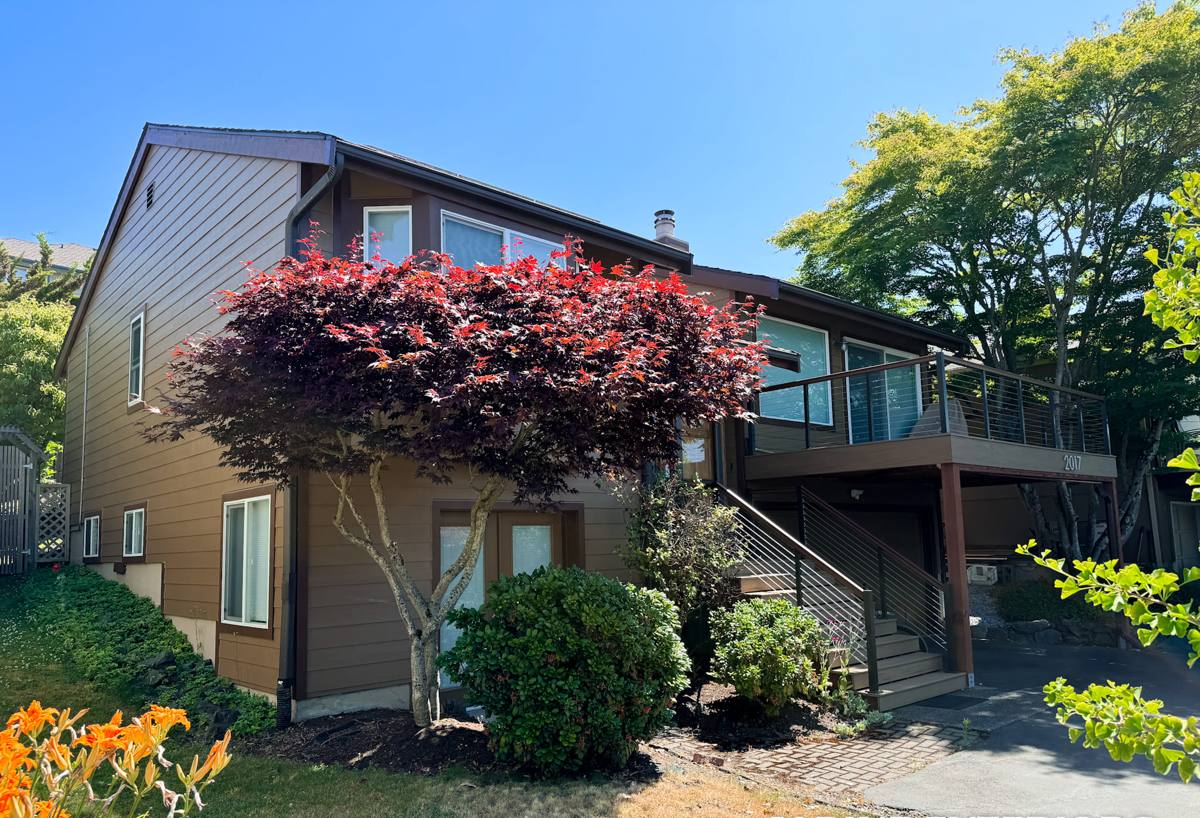
What Sandy Point's Climate Actually Does to a Roof
Salt Air and Metal Fatigue
Homes close to the water deal with airborne salt that settles on every exposed surface, including roofing. Salt exposure accelerates corrosion on unprotected metal — flashing, fasteners, vent caps, and drip edge. Over time, corroded flashing is one of the more common causes of hidden leaks we find on coastal Whatcom County roofs, because the shingles above still look fine while the metal underneath is failing.
Driving Rain and Wind-Driven Water
Storms coming off the water don't just drop rain straight down — wind pushes it sideways and up under shingle edges, at valleys, and around any roof penetration. A roof built for a drier or more sheltered site doesn't always account for that lateral water pressure. Underlayment choice, valley detailing, and how shingles are sealed at the edges all matter more here than they would on a roof tucked away from open water.
Moss, Shade, and Moisture Retention
Whatcom County's long wet season, combined with tree cover and north-facing slopes common in this neighborhood, gives moss a lot of time to establish itself. Moss holds moisture against the shingle surface, which shortens shingle life and can work its way under tabs and edges over years of freeze-thaw and wet-dry cycling. A roof that isn't ventilated and detailed to shed water quickly will grow moss faster and hold onto it longer.
What a Correctly Built Shingle Roof Includes Here
A shingle roof is more than shingles nailed to plywood. For a Sandy Point property, the assembly underneath and around the shingles is what determines whether the roof performs for its full expected lifespan or starts causing problems within a handful of years.
- Ice-and-water shield or high-quality synthetic underlayment at eaves, valleys, and around penetrations — the first line of defense when wind-driven rain gets past the shingle surface.
- Corrosion-resistant flashing and fasteners rated for coastal exposure, not standard-grade material that will pit and rust faster in salt air.
- Balanced attic ventilation — intake at the eaves, exhaust at the ridge — so moisture doesn't get trapped under the roof deck, which contributes to both shingle degradation and moss-friendly conditions.
- Proper valley and edge detailing so water sheds fast instead of pooling or backing up under shingle tabs during heavy rain.
- Starter strip and hand-sealed edge courses at rakes and eaves, which are the areas most vulnerable to wind uplift in open coastal exposure.
Skipping any one of these to save a little on a bid tends to show up later as a callback — usually a leak at a valley or around a vent, or shingles that start curling and losing granules years ahead of schedule.
Comparing Shingle Options for a Coastal Sandy Point Home
| Shingle Type | Typical Lifespan Here | Coastal Considerations |
|---|---|---|
| 3-Tab Asphalt | 15-20 years | Lower upfront cost, but less wind resistance and thinner profile means faster wear in driving rain and salt exposure. |
| Architectural (Dimensional) Asphalt | 25-30 years | Heavier, better wind rating, and more resistant to the freeze-thaw and moisture cycling common in this area. Our default recommendation for most Sandy Point re-roofs. |
| Impact-Resistant Architectural | 25-30+ years | Added durability against debris and wind-driven material; a reasonable upgrade on more exposed lots or homes with overhanging trees. |
Lifespan figures are general ranges, not guarantees — actual performance depends on installation quality, ventilation, sun exposure, and maintenance. We'll walk through the real trade-offs for your roof's specific exposure during the estimate rather than pushing one product across the board.
Our Process, Step by Step
1. On-Site Assessment
We look at the existing roof from the ground and, when accessible, up close — checking shingle condition, flashing, ventilation, and any signs of moss, moisture staining, or deck deterioration. We also look at exposure: which sides of the roof take the most wind-driven rain and which stay shaded and prone to moss.
2. Straightforward Scope and Estimate
We put together a written scope that spells out the underlayment, flashing, ventilation, and shingle product being used — not just a single line-item price. You should know exactly what's going on your roof before we start.
3. Tear-Off and Deck Inspection
Full tear-off lets us check the roof deck itself for rot or soft spots, which is common on older coastal roofs where slow leaks have gone unnoticed. Any damaged decking gets addressed before anything new goes down — we won't cover up a problem.
4. Underlayment, Flashing, and Ventilation First
Before a single shingle goes on, we get the water management layer right: underlayment at vulnerable areas, corrosion-resistant flashing, and a ventilation path that lets the attic breathe. This is the part of the job that determines how the roof handles Sandy Point's rain and salt exposure over the long run.
5. Shingle Installation
Shingles go down per manufacturer spec, with attention to nailing pattern and edge sealing — both of which matter more in higher-wind coastal conditions than they do on a sheltered inland roof.
6. Final Walk-Through
We walk the completed roof and the property with you, confirm cleanup is complete, and go over basic care and what to watch for going forward.
Maintenance That Actually Matters on a Coastal Roof
A well-built shingle roof in Sandy Point still needs some periodic attention given the moss and salt exposure. None of this is complicated, but it makes a real difference in how long the roof lasts.
- Keep gutters and valleys clear of debris so water has a clear path off the roof, especially before the wet season ramps up.
- Address moss growth early with appropriate treatment rather than letting it establish and hold moisture against the shingles.
- Trim back overhanging branches where practical to reduce shade, debris buildup, and abrasion on the roof surface.
- Have flashing and penetrations checked periodically — these fail well before the shingle field usually does in salt air environments.
- Watch for granule loss in gutters or downspouts, which is an early sign of shingle wear worth having looked at.
Why a Crew That Already Works Sandy Point Is Worth Something
Roofing crews that mostly work drier, more sheltered inland areas don't always default to coastal-grade detailing unless a homeowner specifically asks for it. A crew that regularly works Sandy Point and the surrounding Blaine coastline already treats corrosion-resistant flashing, proper edge sealing, and ventilation as standard practice, not an upsell — because we've seen firsthand what happens to roofs that skip those details out here.
We're also familiar with the practical realities of the neighborhood: narrower access on some lots, tree cover that affects staging and cleanup, and the seasonal weather windows that make certain months better than others for tear-off work. That local familiarity translates into fewer surprises during the job and a roof that's actually built for the conditions it has to withstand.
Signs Your Sandy Point Roof May Need Attention
- Granules collecting in gutters or at the base of downspouts
- Shingles that look curled, cupped, or lifted at the edges
- Visible moss or dark streaking, particularly on shaded, north-facing slopes
- Rust staining around vent pipes, flashing, or fasteners
- Daylight visible through the attic roof deck, or damp insulation after storms
- A roof approaching or past 20 years old that hasn't had a professional inspection recently
Any one of these on its own isn't necessarily an emergency, but they're worth having looked at before a minor issue turns into a deck repair or interior water damage.
Get a Straightforward Look at Your Roof
If you're in Sandy Point and want an honest read on your roof's condition — whether that means a repair, a partial re-roof, or a full replacement — we're glad to come take a look. The estimate is free, there's no pressure, and you'll get a clear explanation of what we see and what it would take to fix it right. Use the form below to get started.